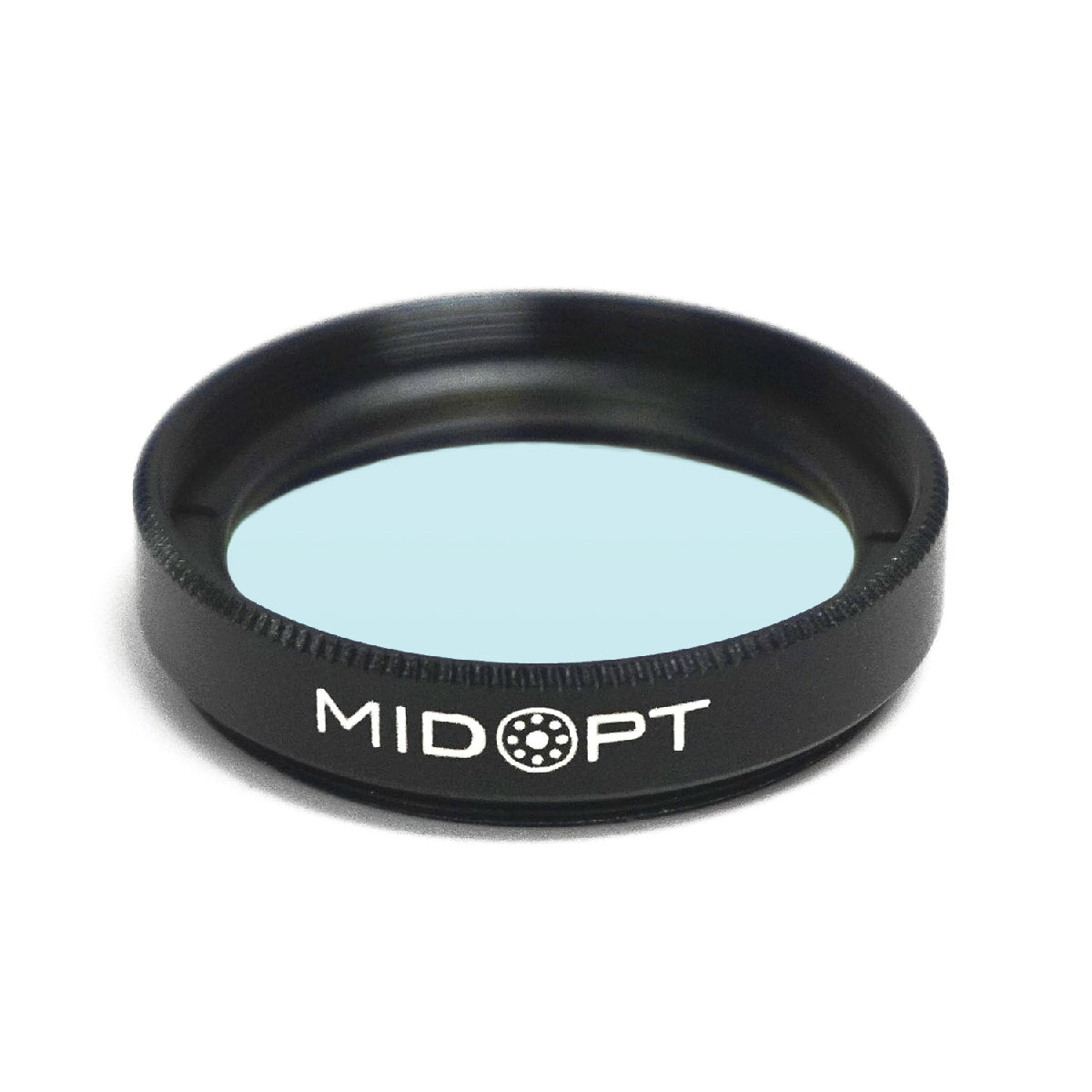
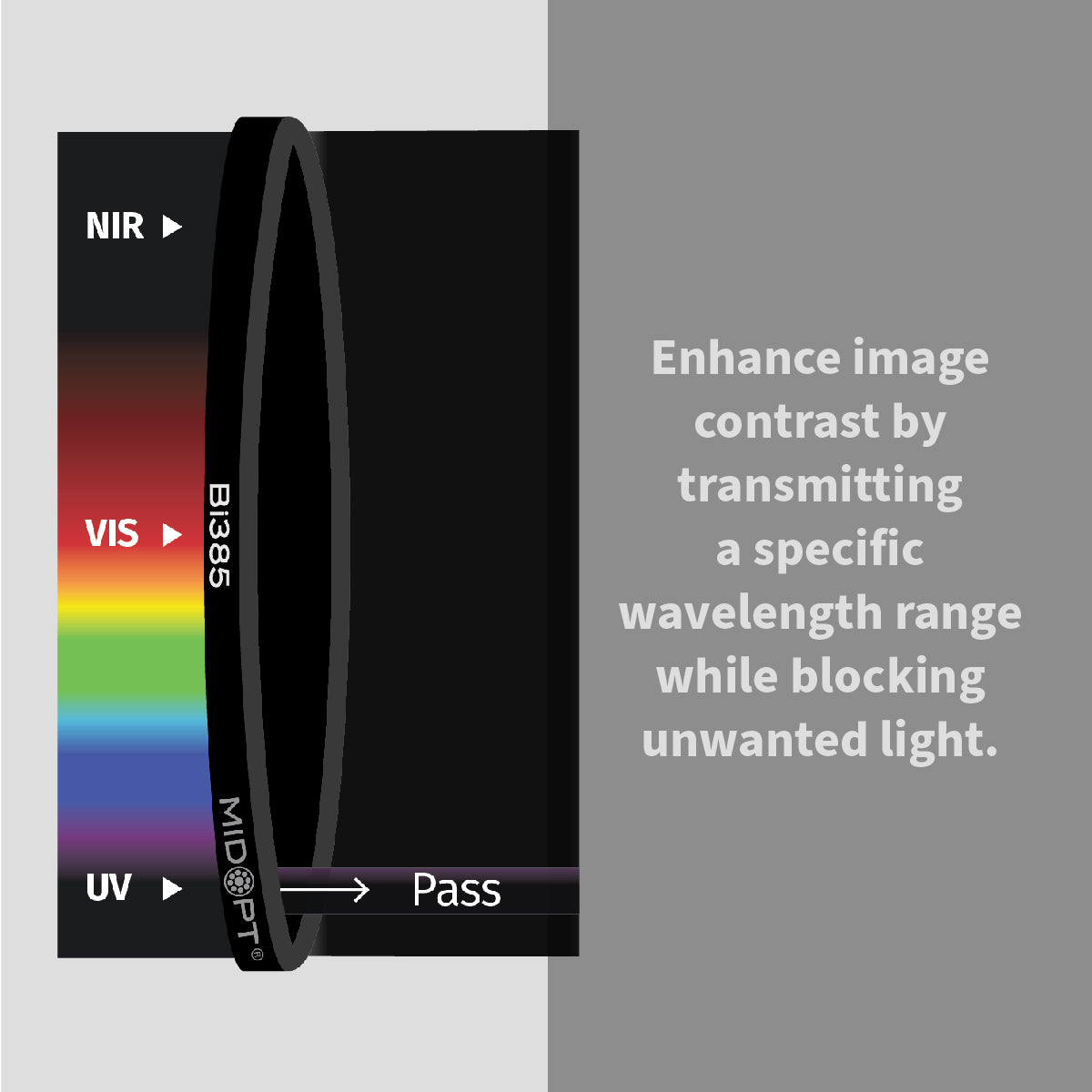
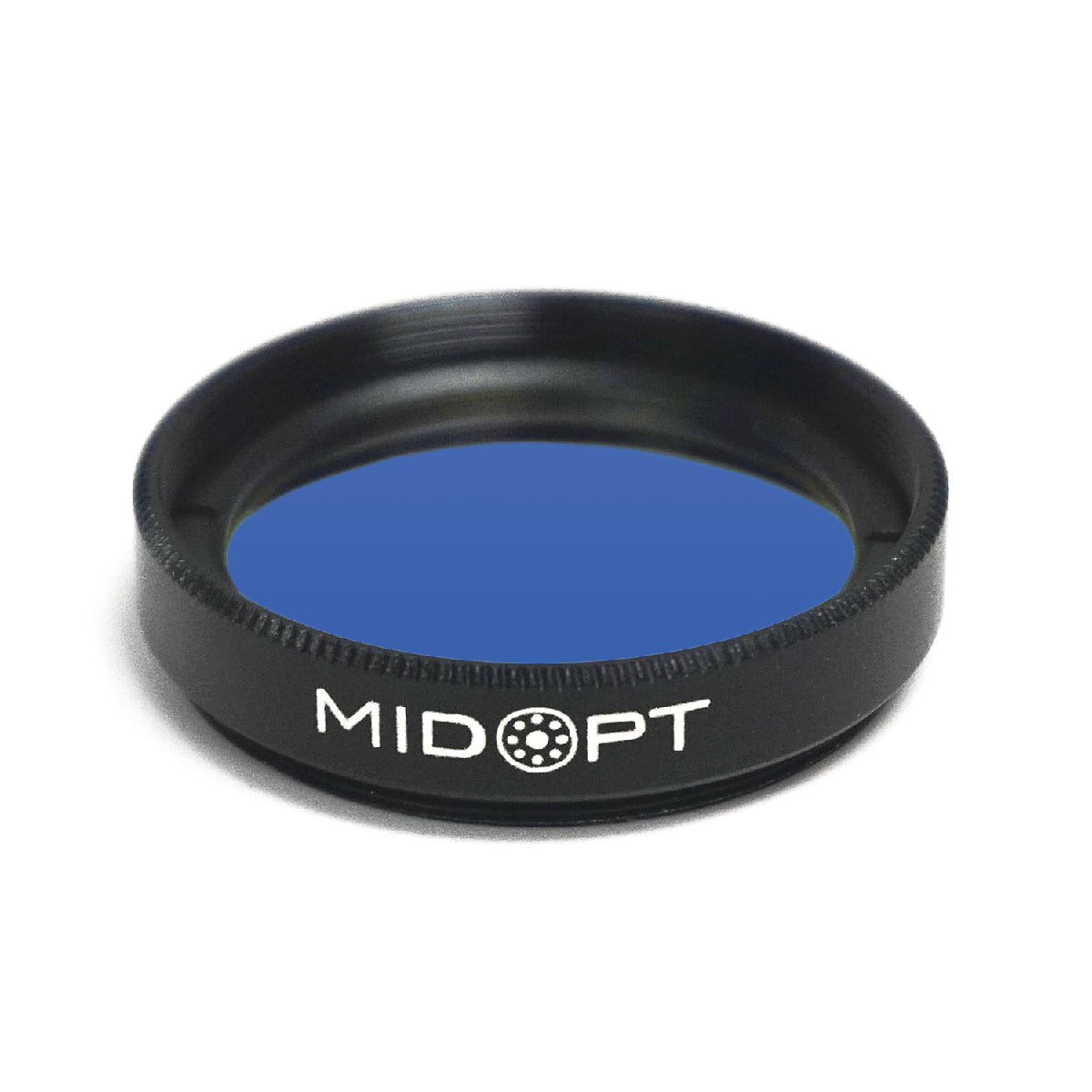
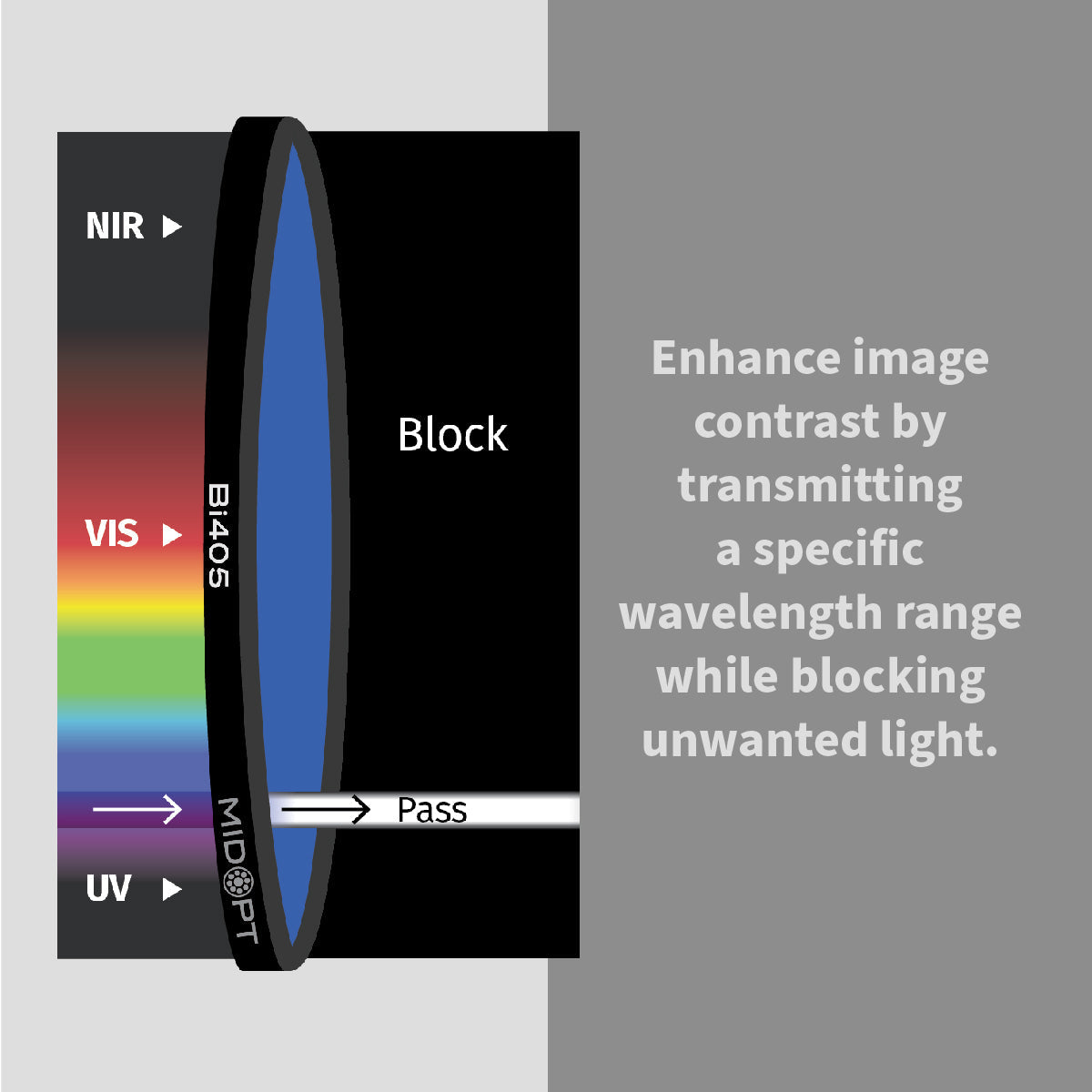
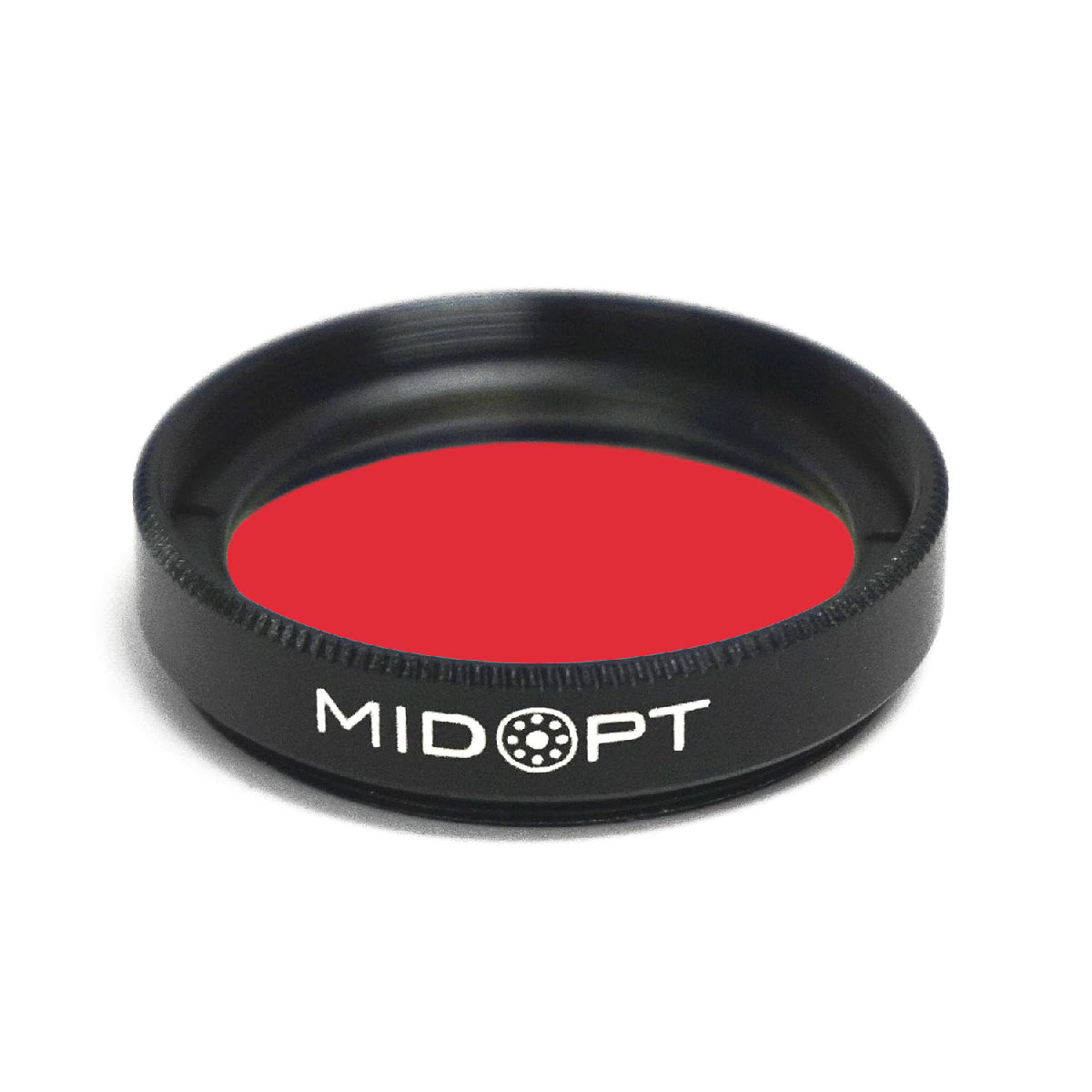
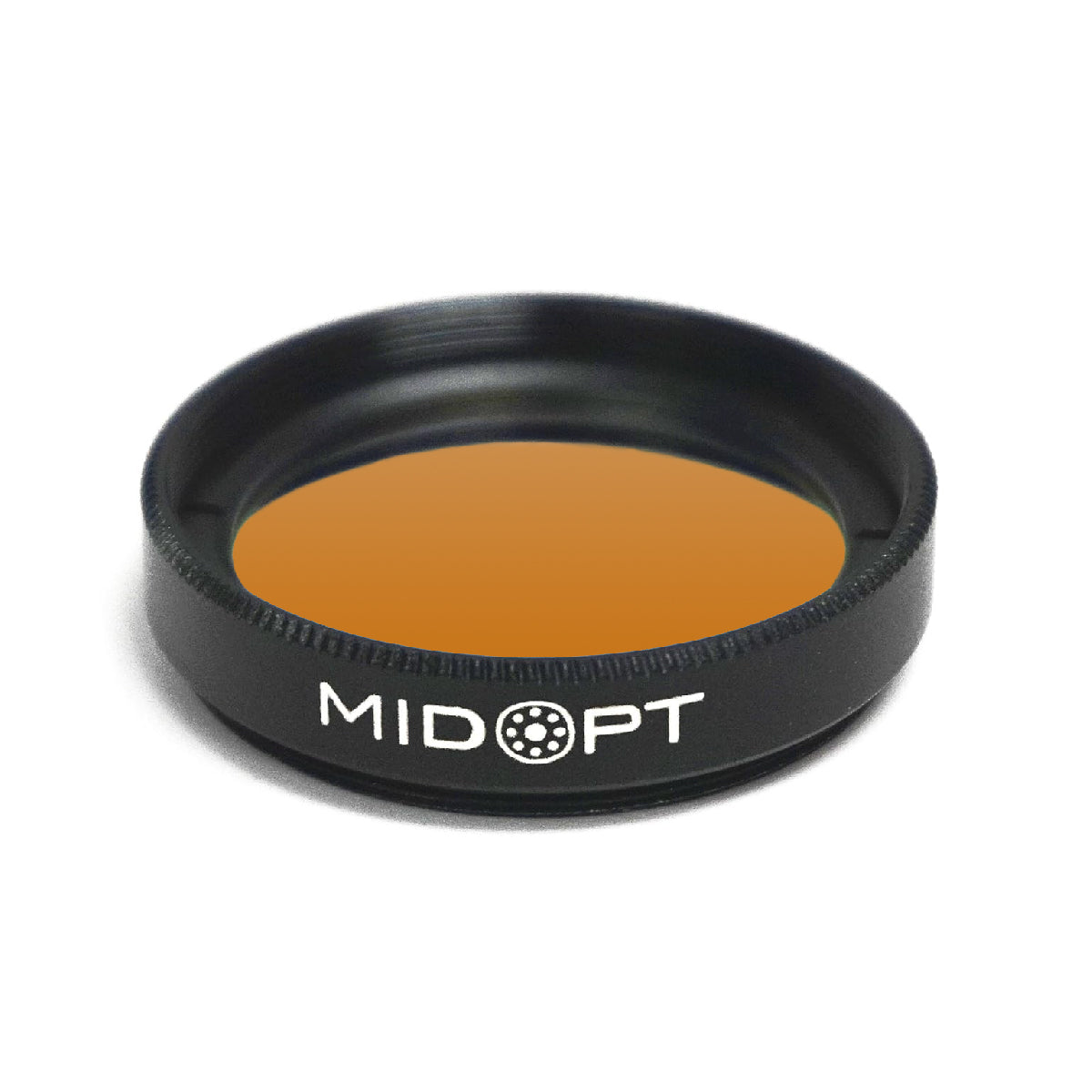
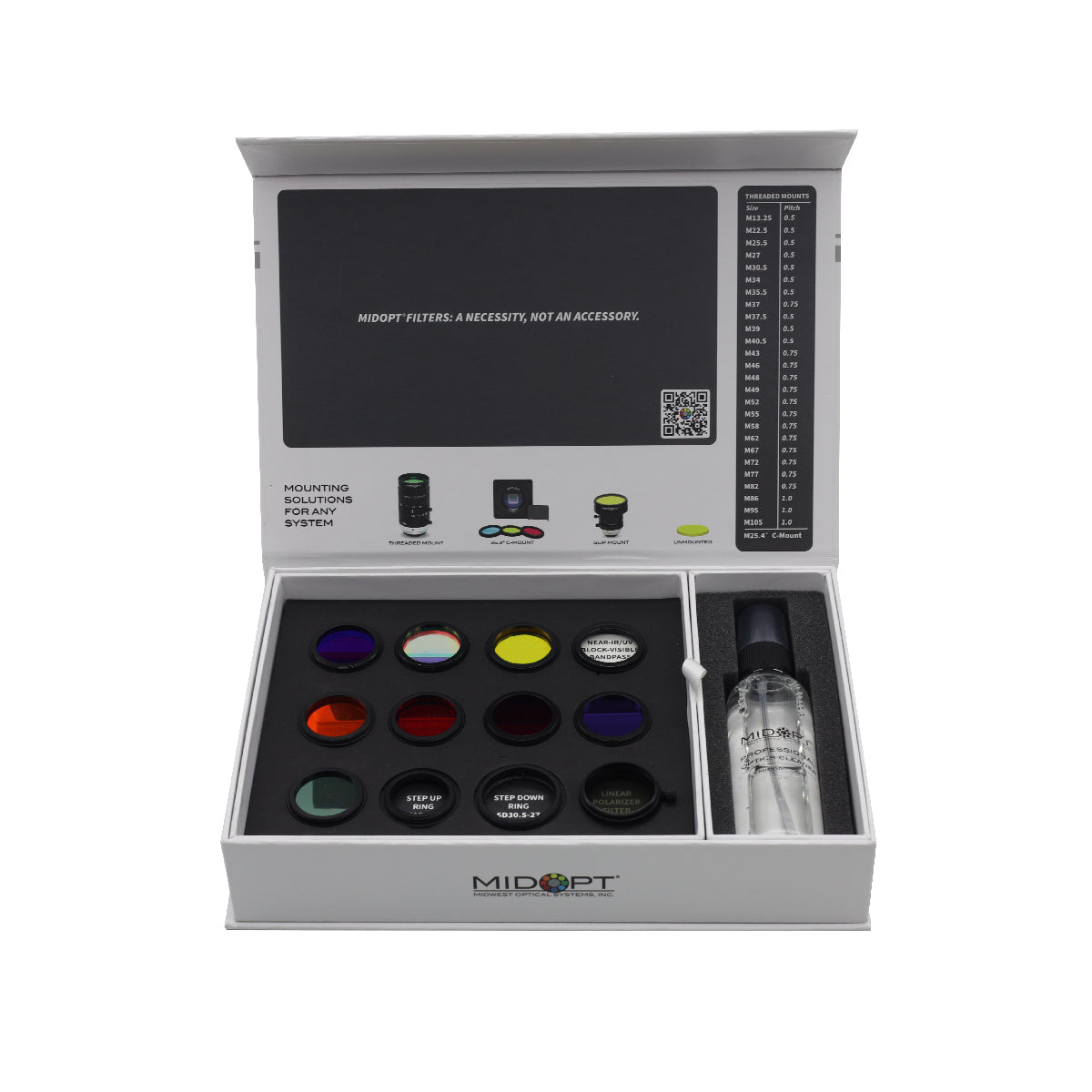
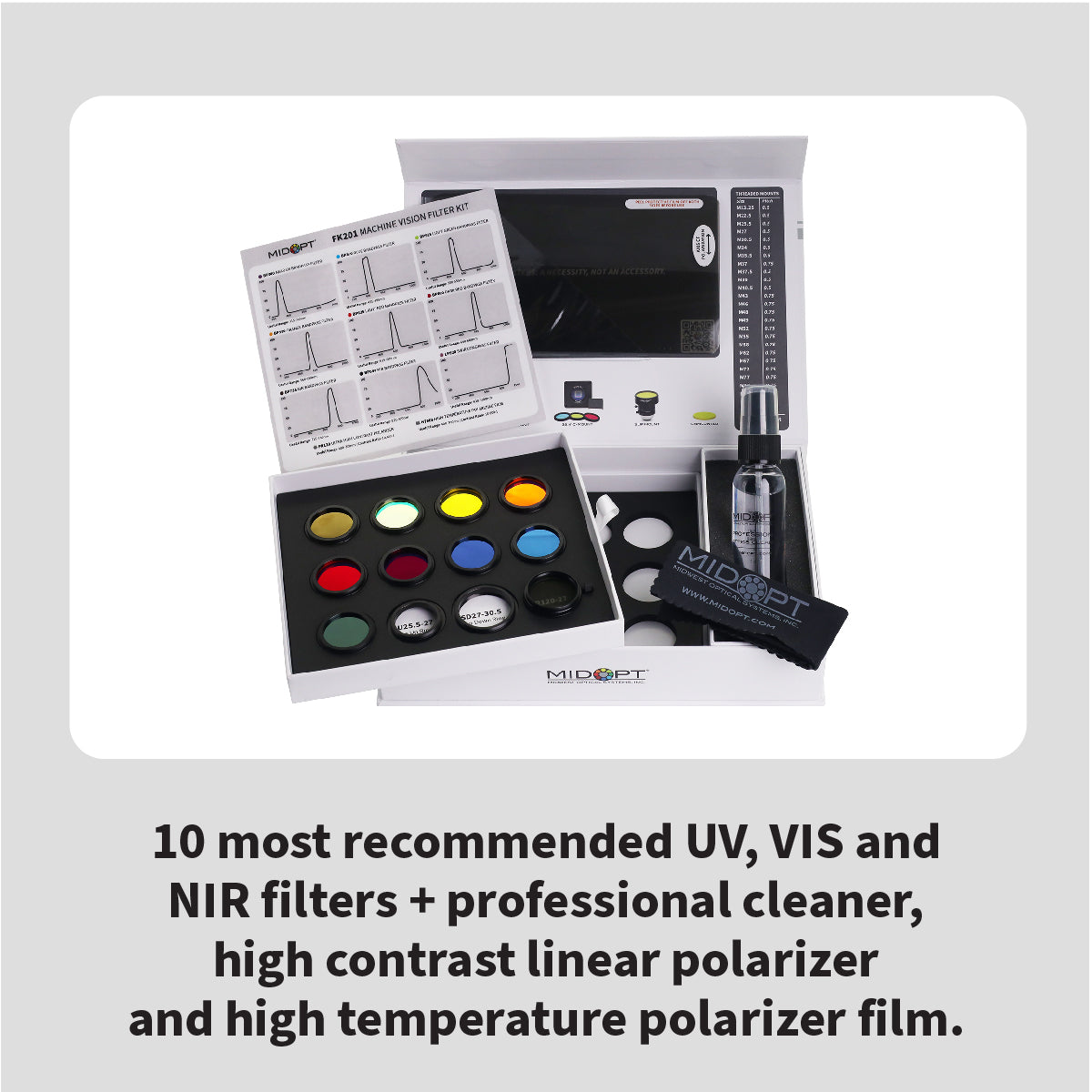
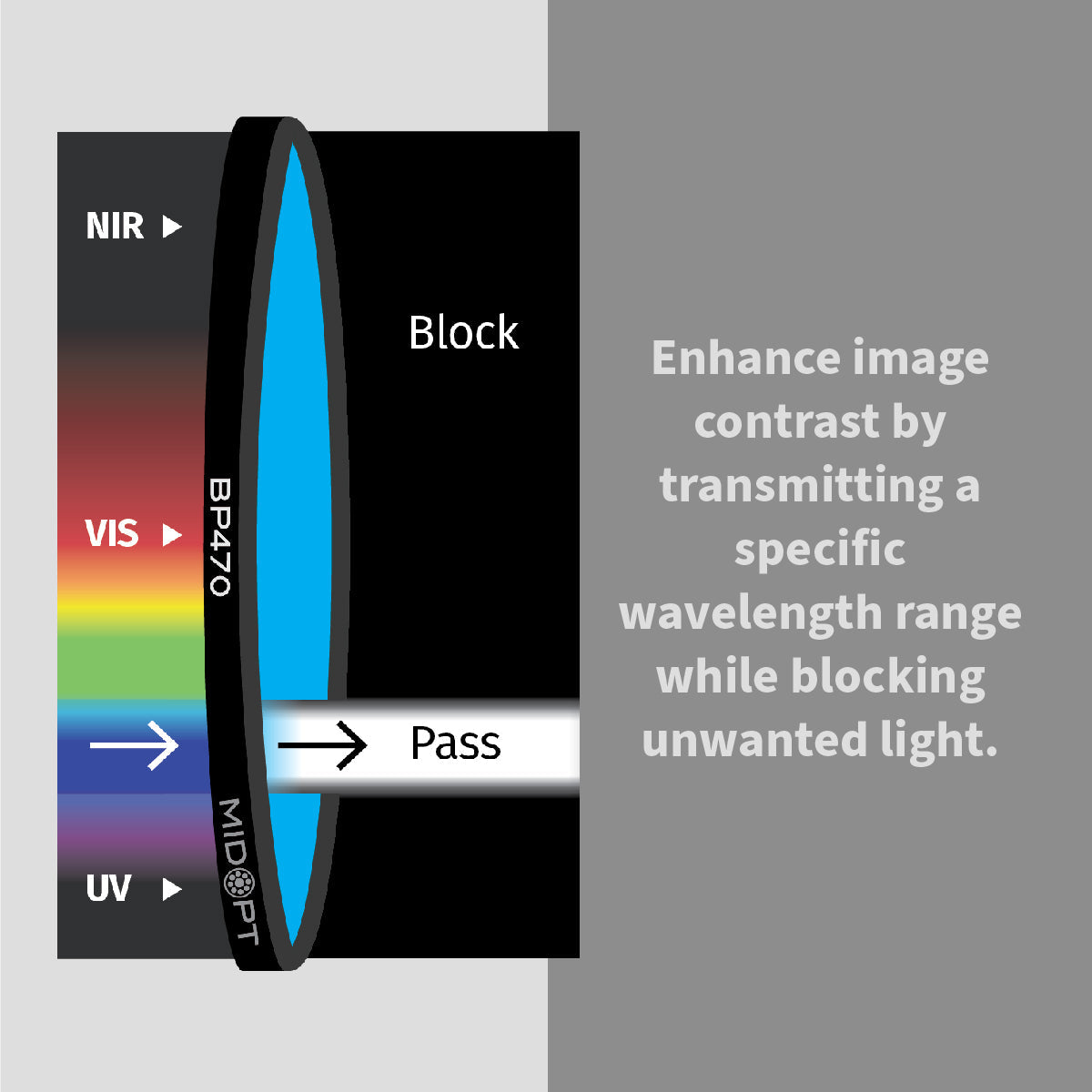
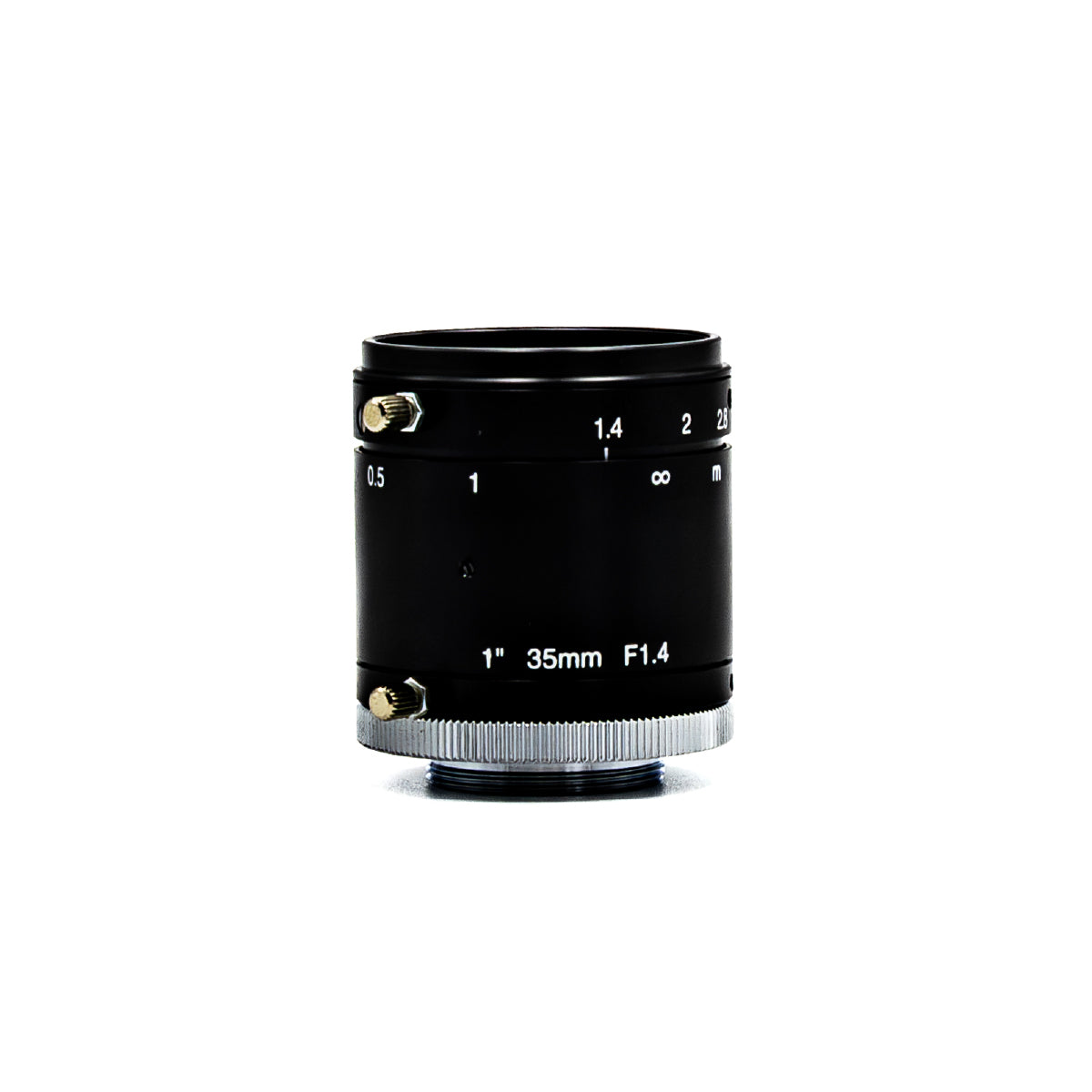
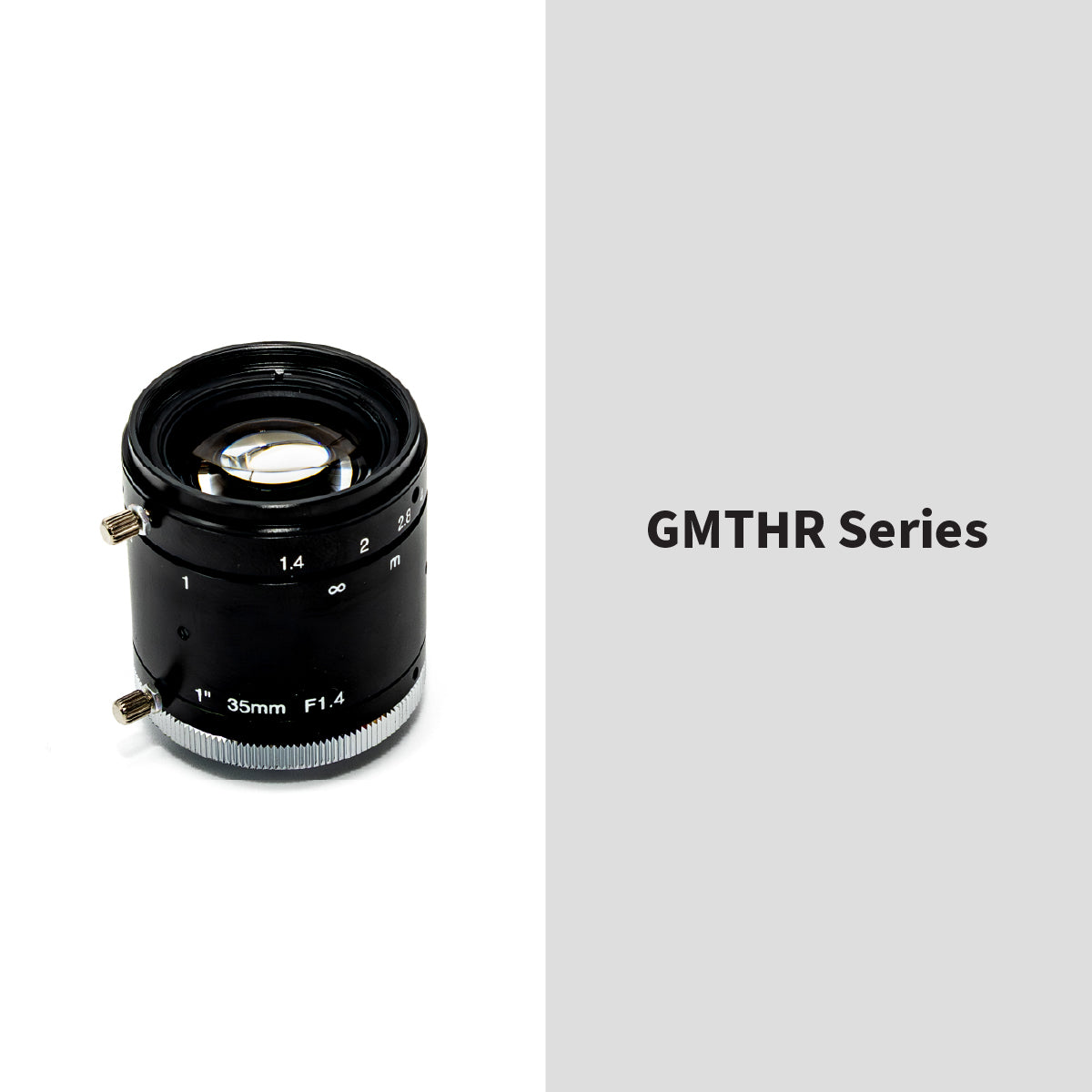
For over three decades, MidOpt® has focused exclusively on developing high-performance machine vision filters designed specifically for industrial imaging applications. Their philosophy is simple: create optical filters for machine vision using the precision of machine vision.
In machine vision, backlighting is one of the most effective ways to achieve high-contrast images for measurement and inspection. But what happens when there’s no room to place a light behind your part?
Sustainability is becoming a key focus across manufacturing, and machine vision systems are no exception. While cameras and software often get the most attention, lighting plays a major role in both system performance and energy consumption. By optimizing illumination, manufacturers can significantly reduce energy waste while maintaining – or even improving – inspection accuracy.
Selecting the right lens is one of the most critical decisions in building a successful machine vision system. While cameras and lighting often get the spotlight, the lens ultimately determines how well your system captures detail, maintains accuracy and performs over time.
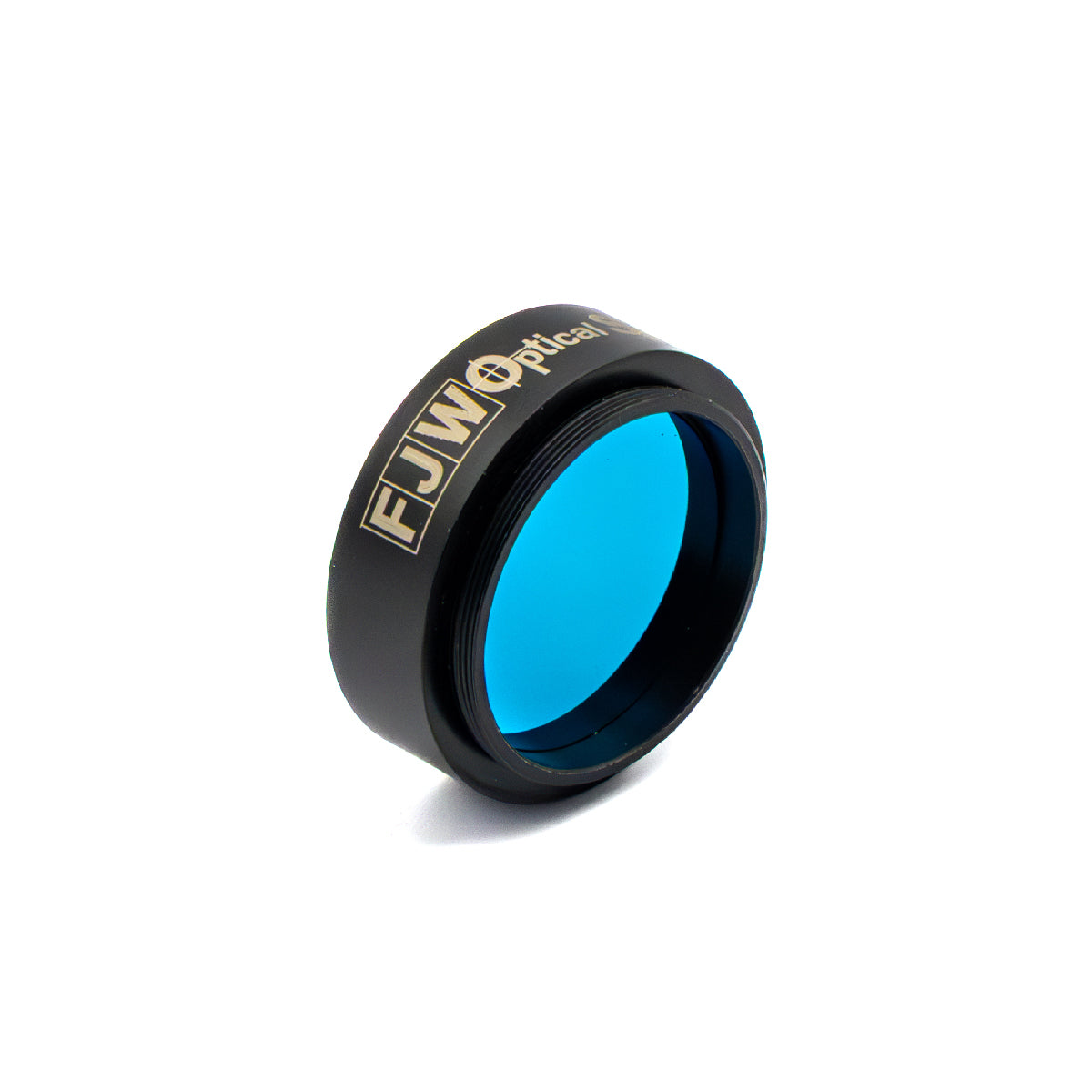
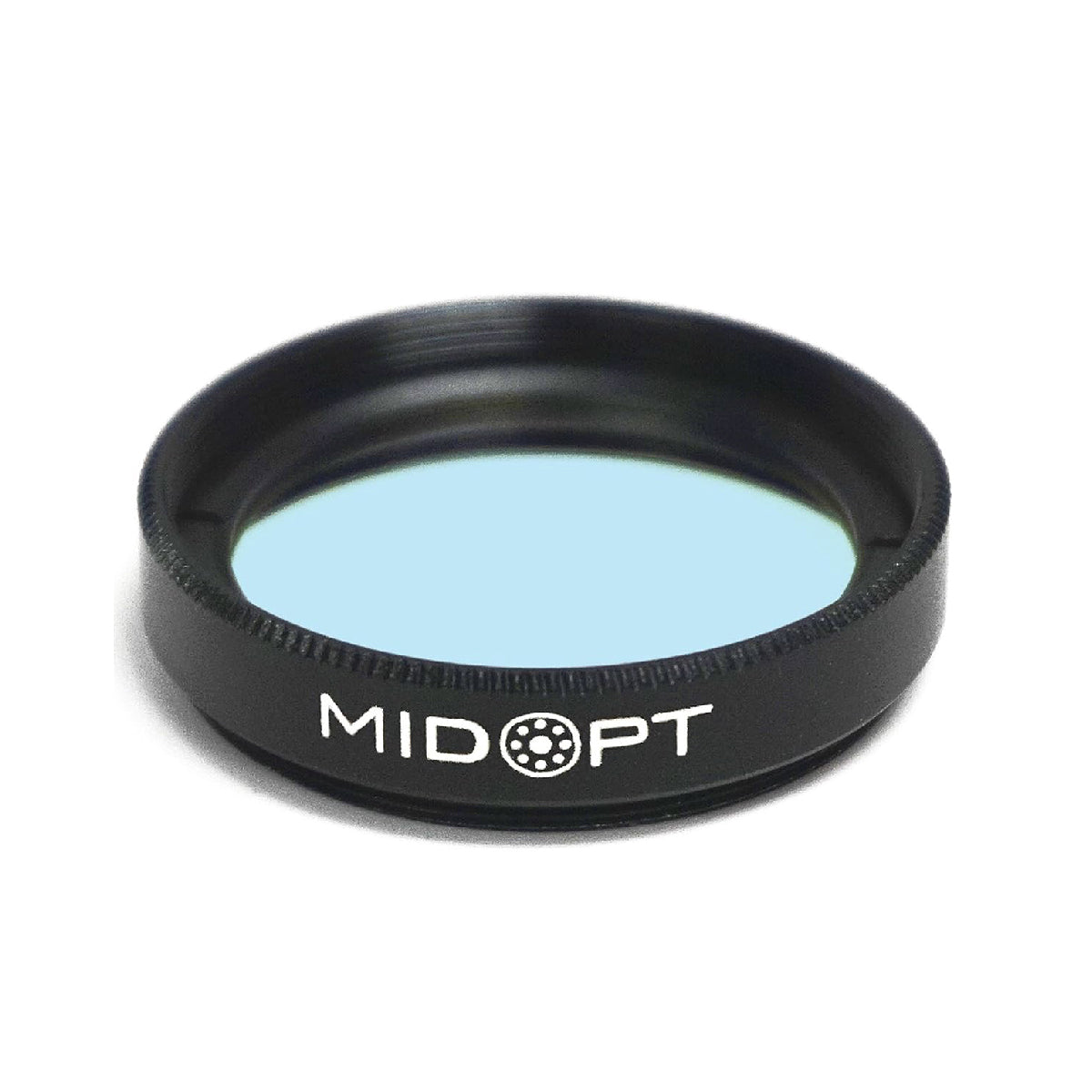
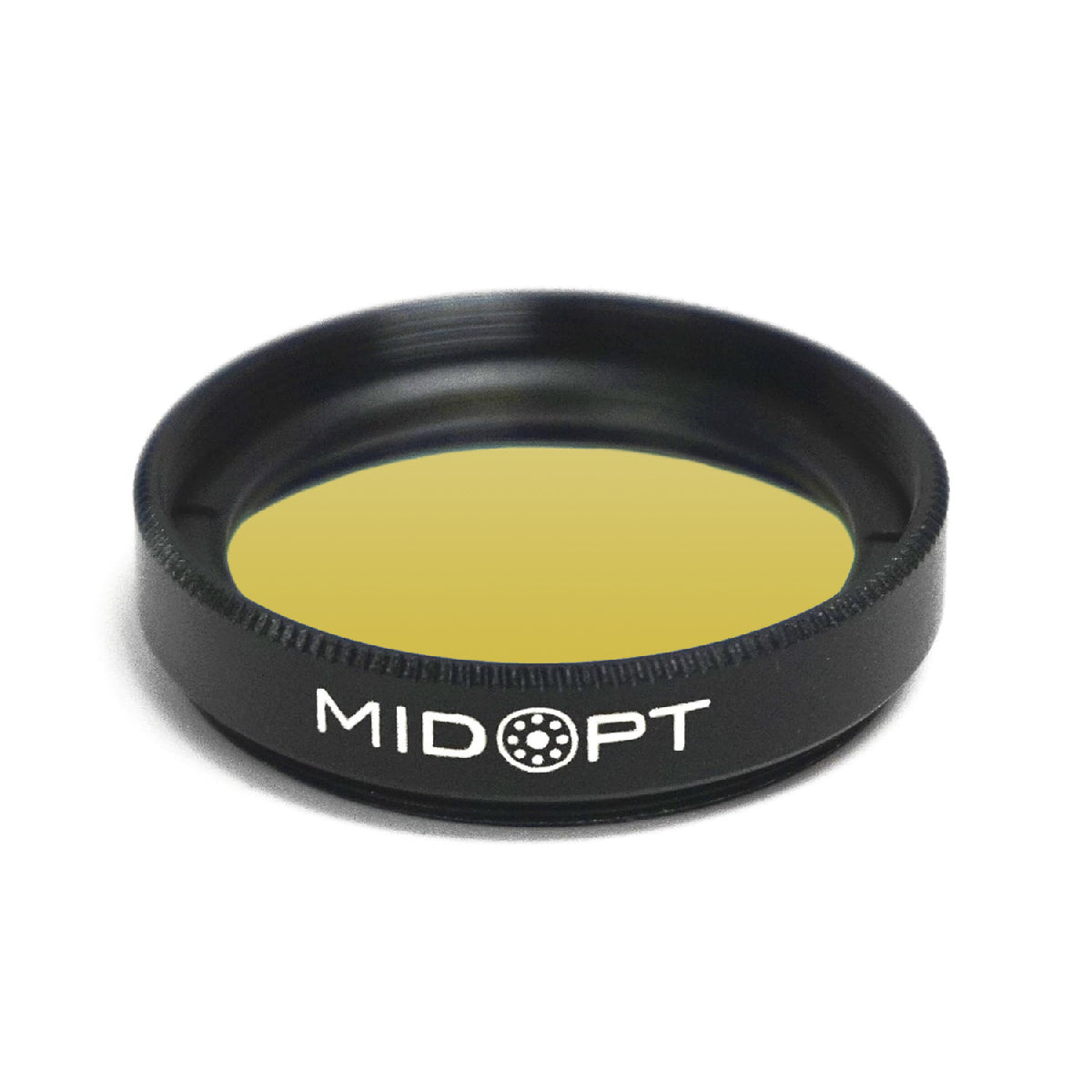
Longpass filters are widely used in machine vision systems because they allow engineers to control the wavelength of light reaching the camera sensor.
Benefits include:
• Elimination of ambient light interference
• Improved contrast in inspection environments
• Isolation of infrared illumination sources
• Enhanced detection of materials and surface defects
• Improved signal-to-noise ratio for sensors
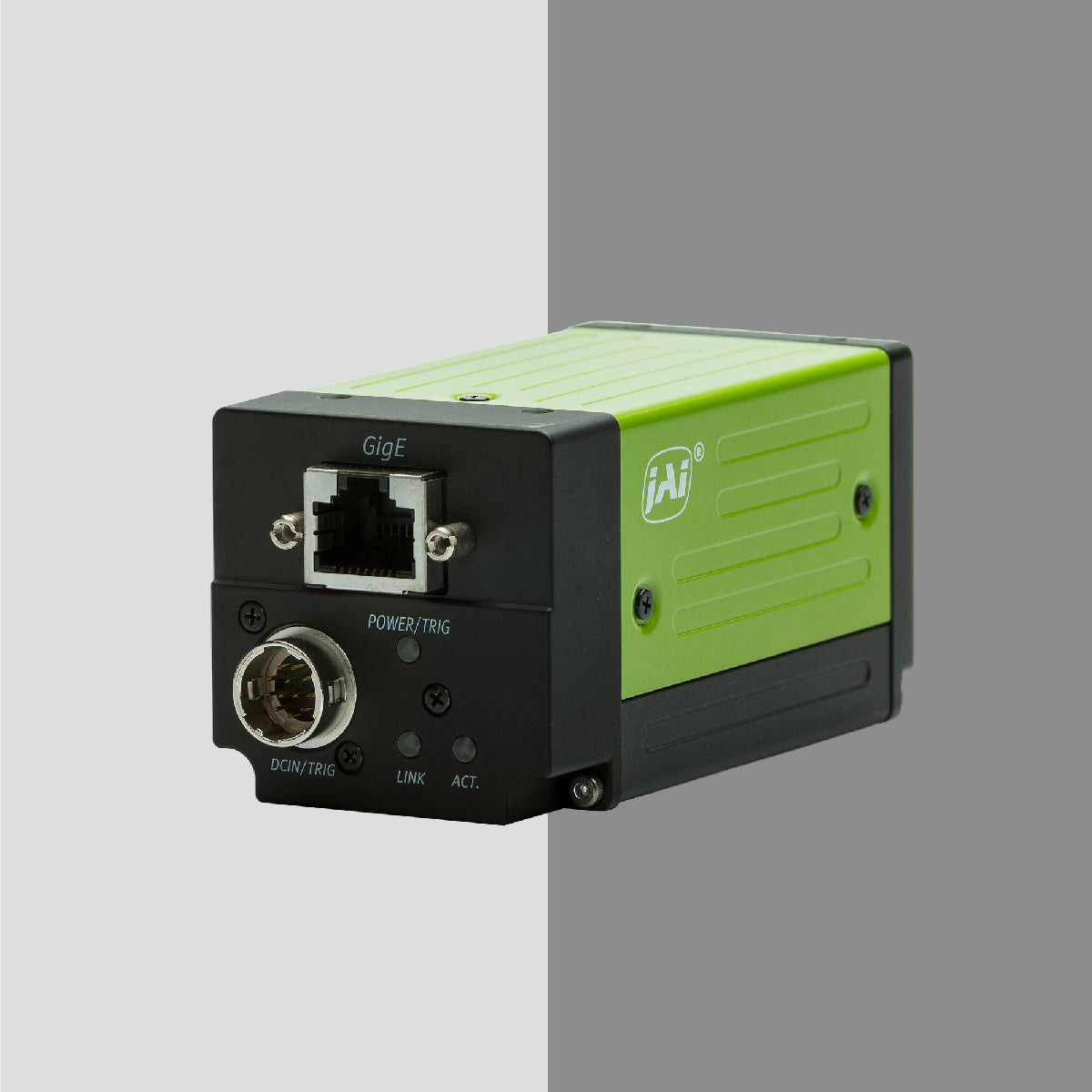
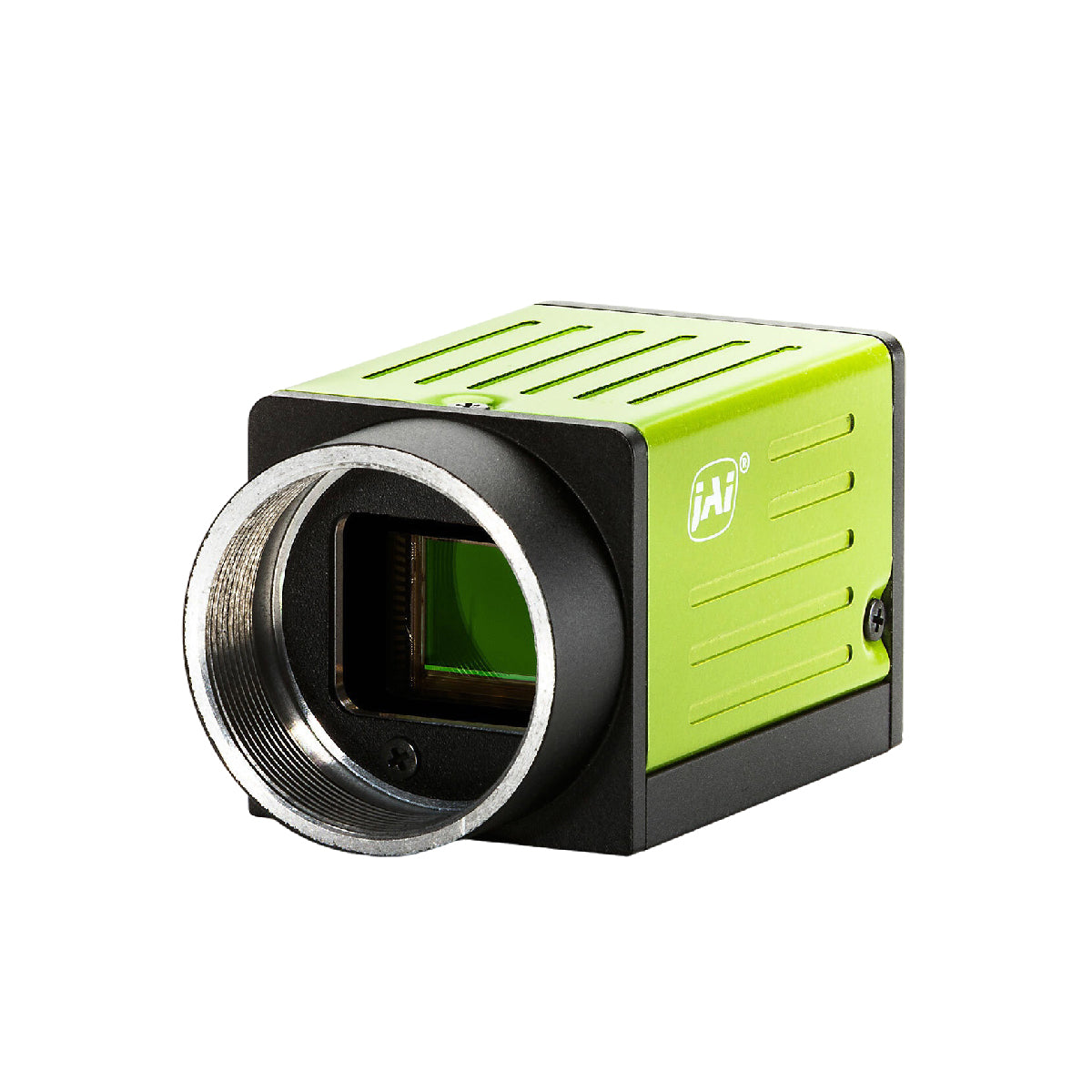
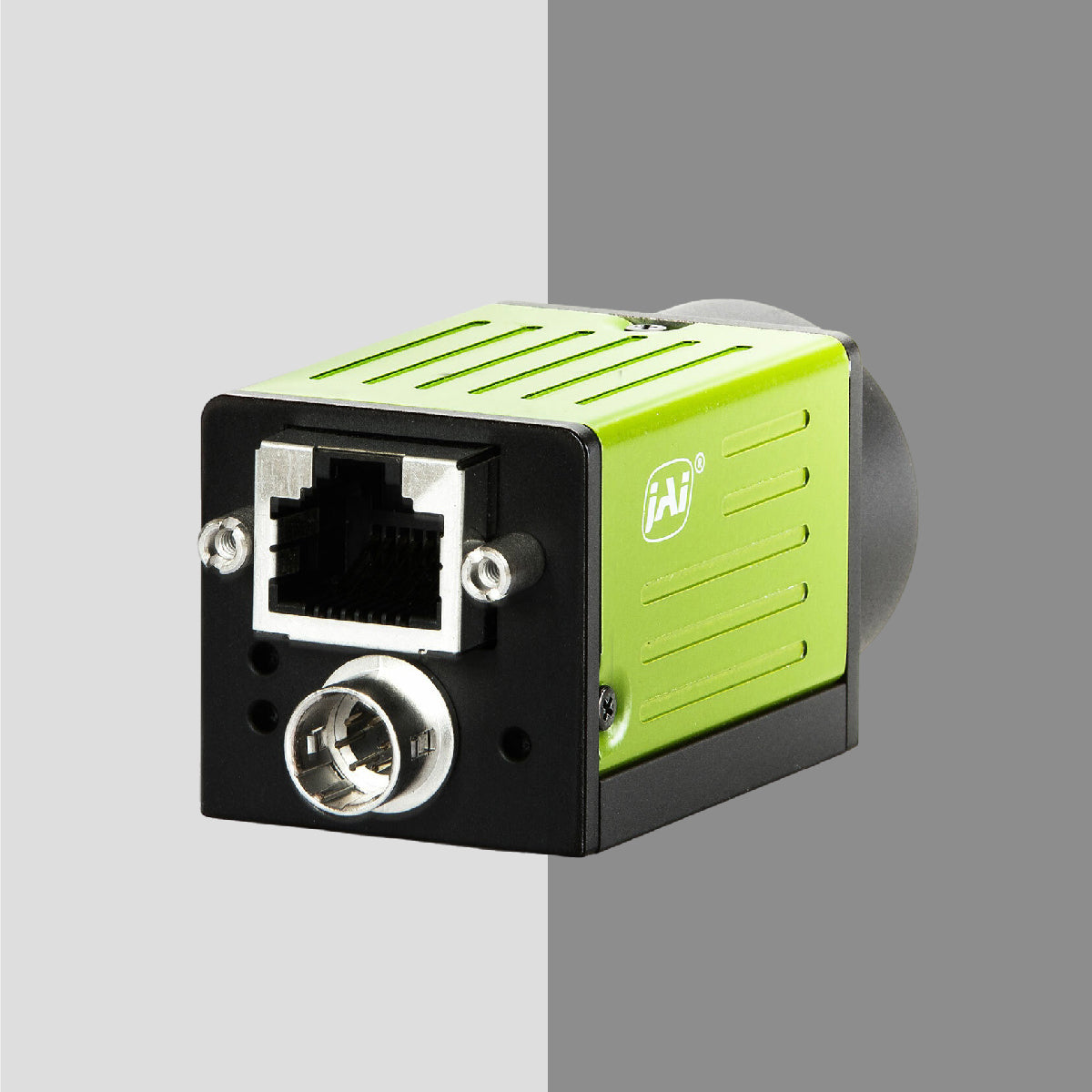
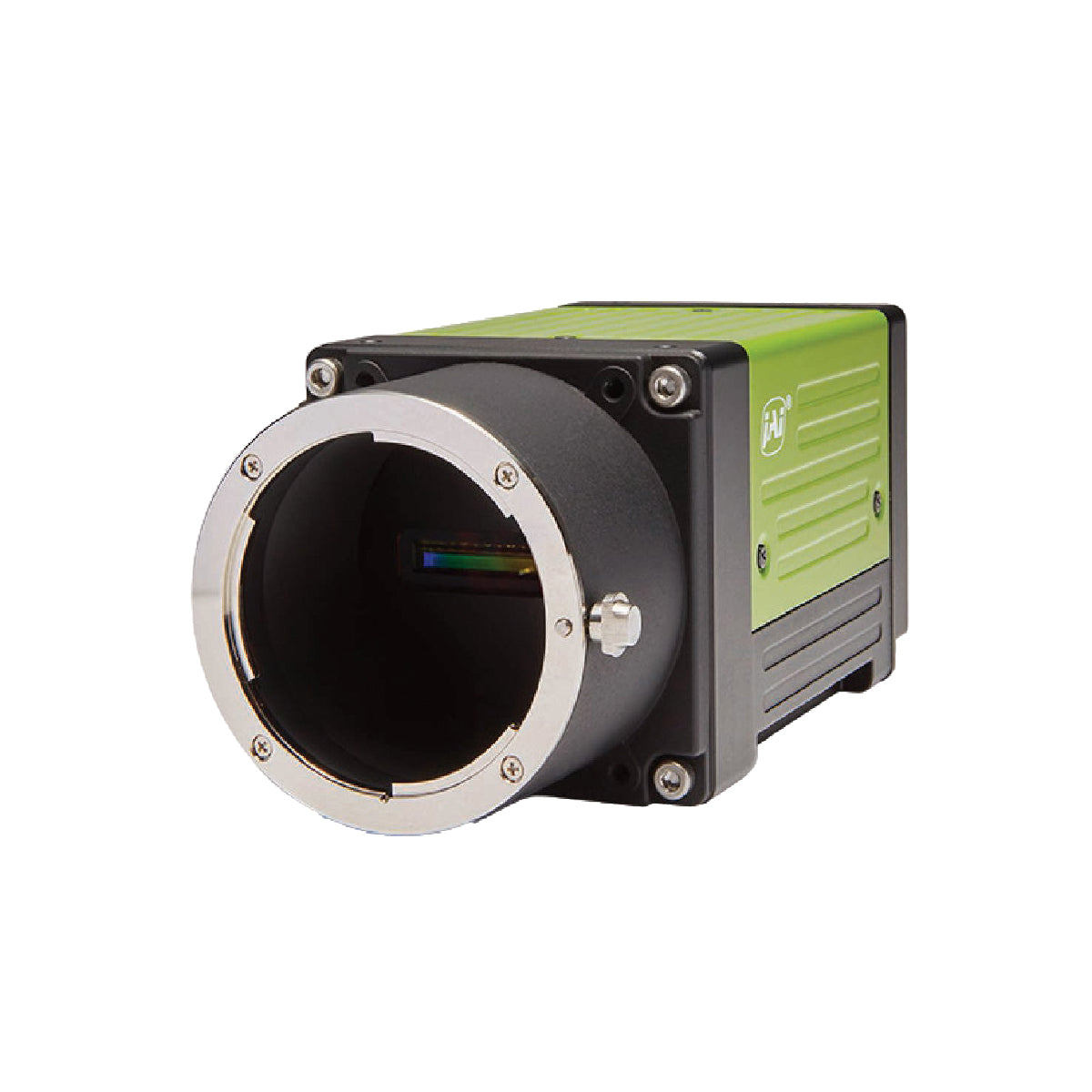
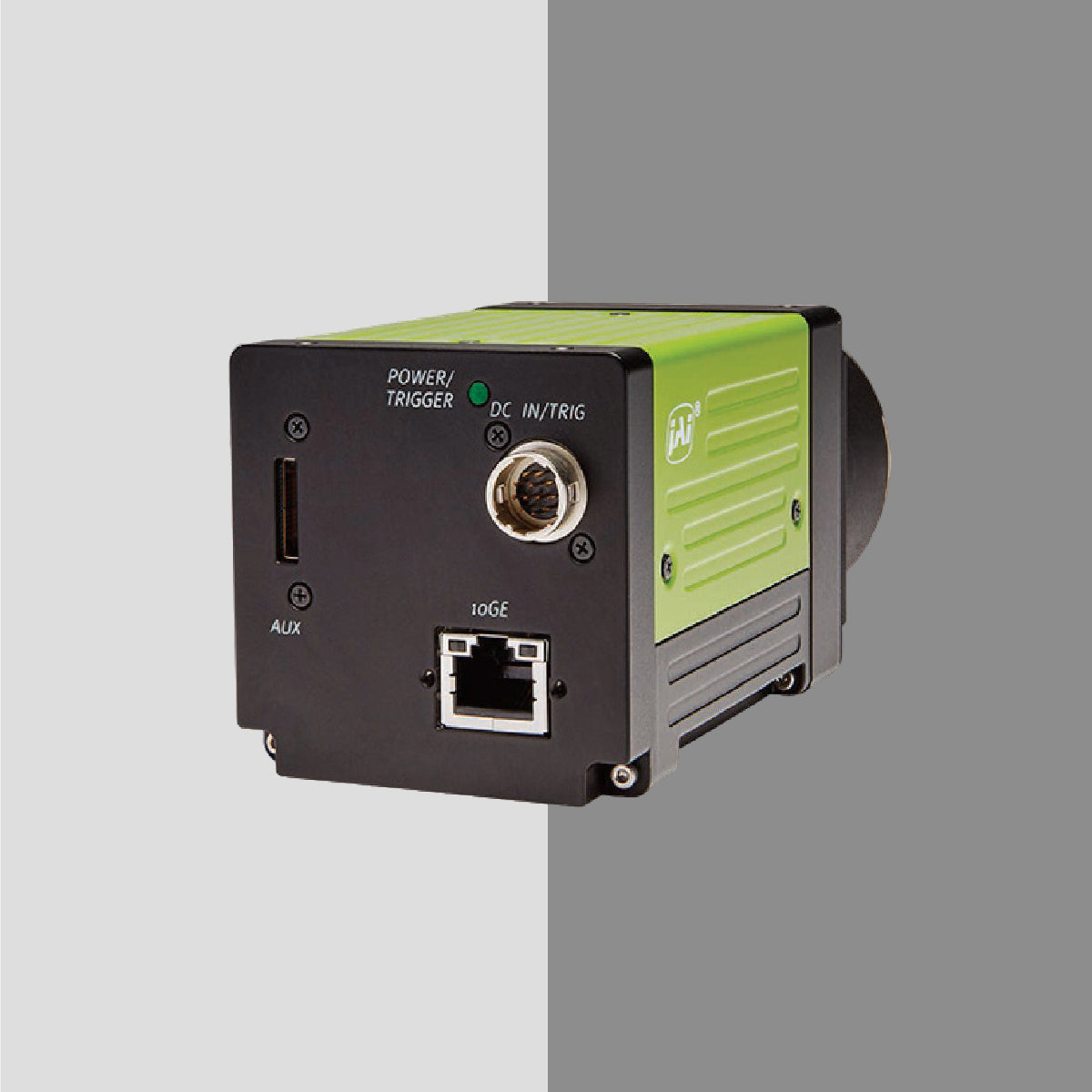
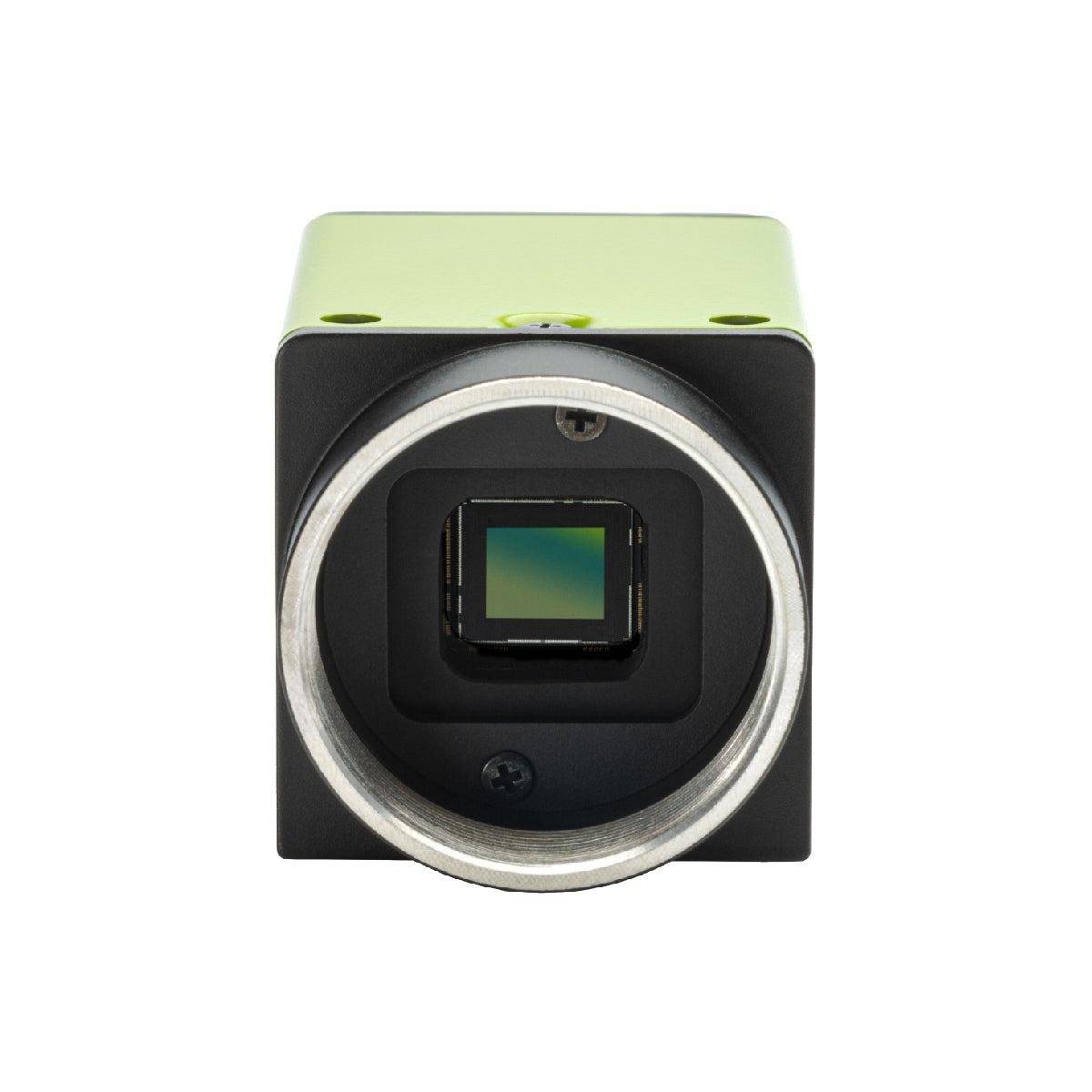
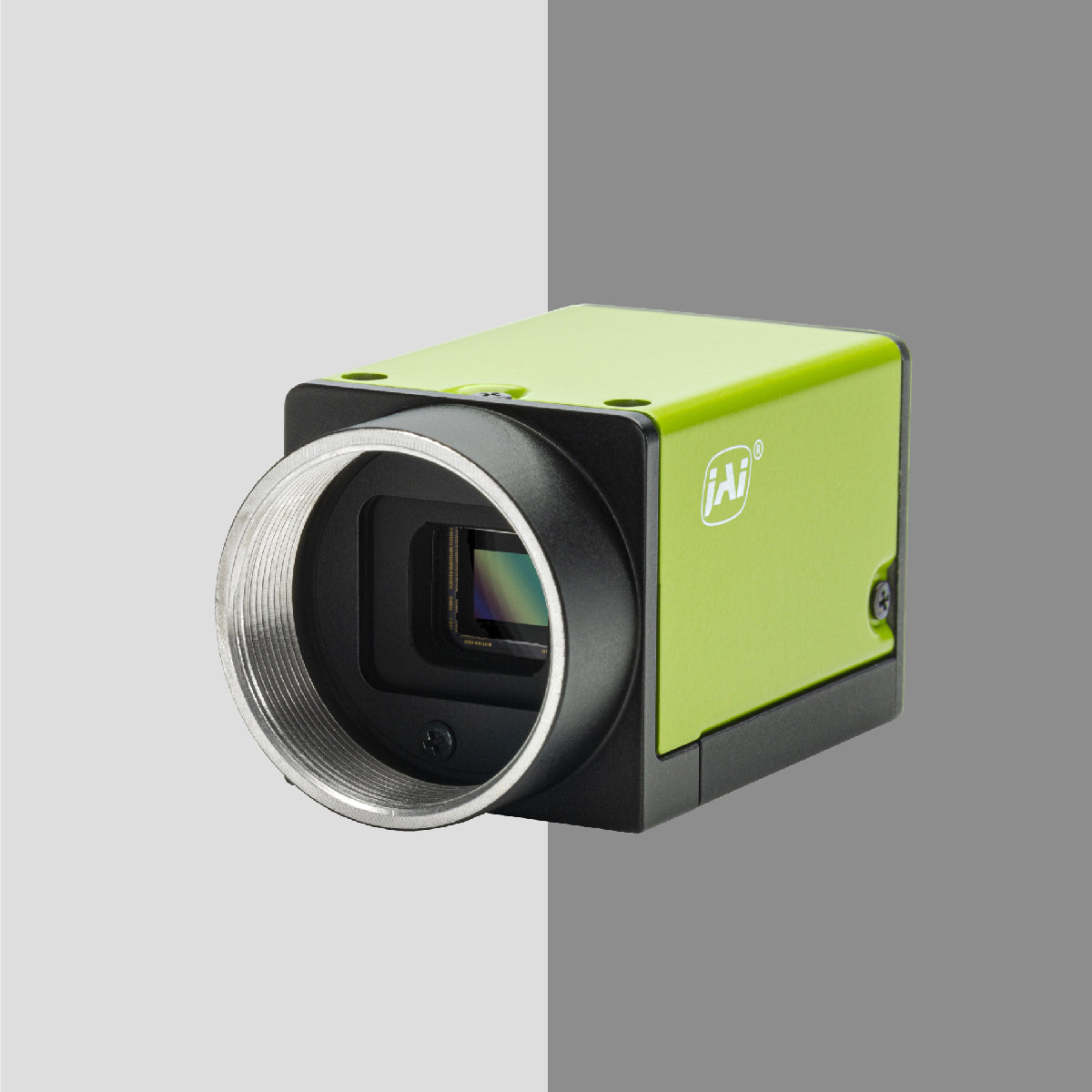
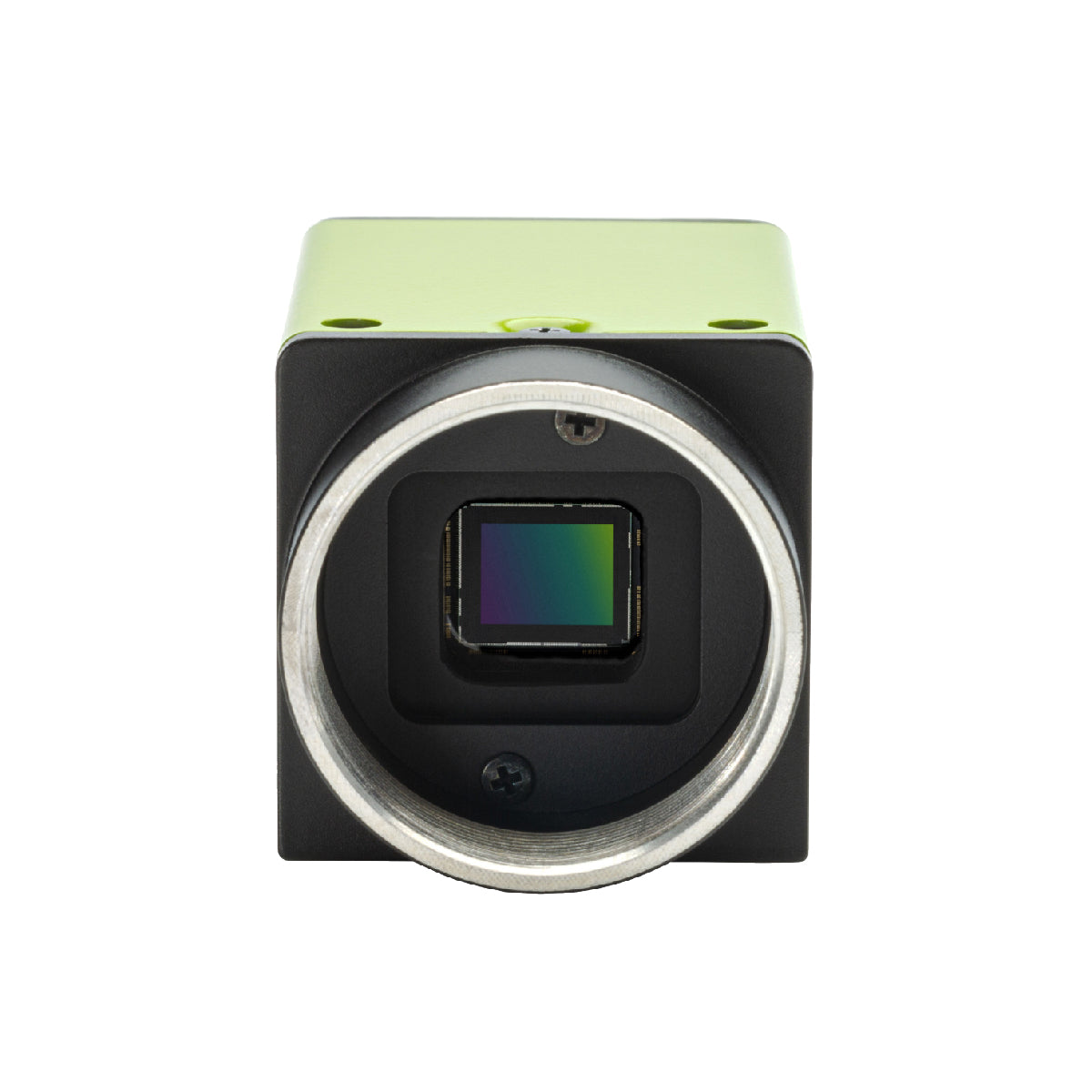
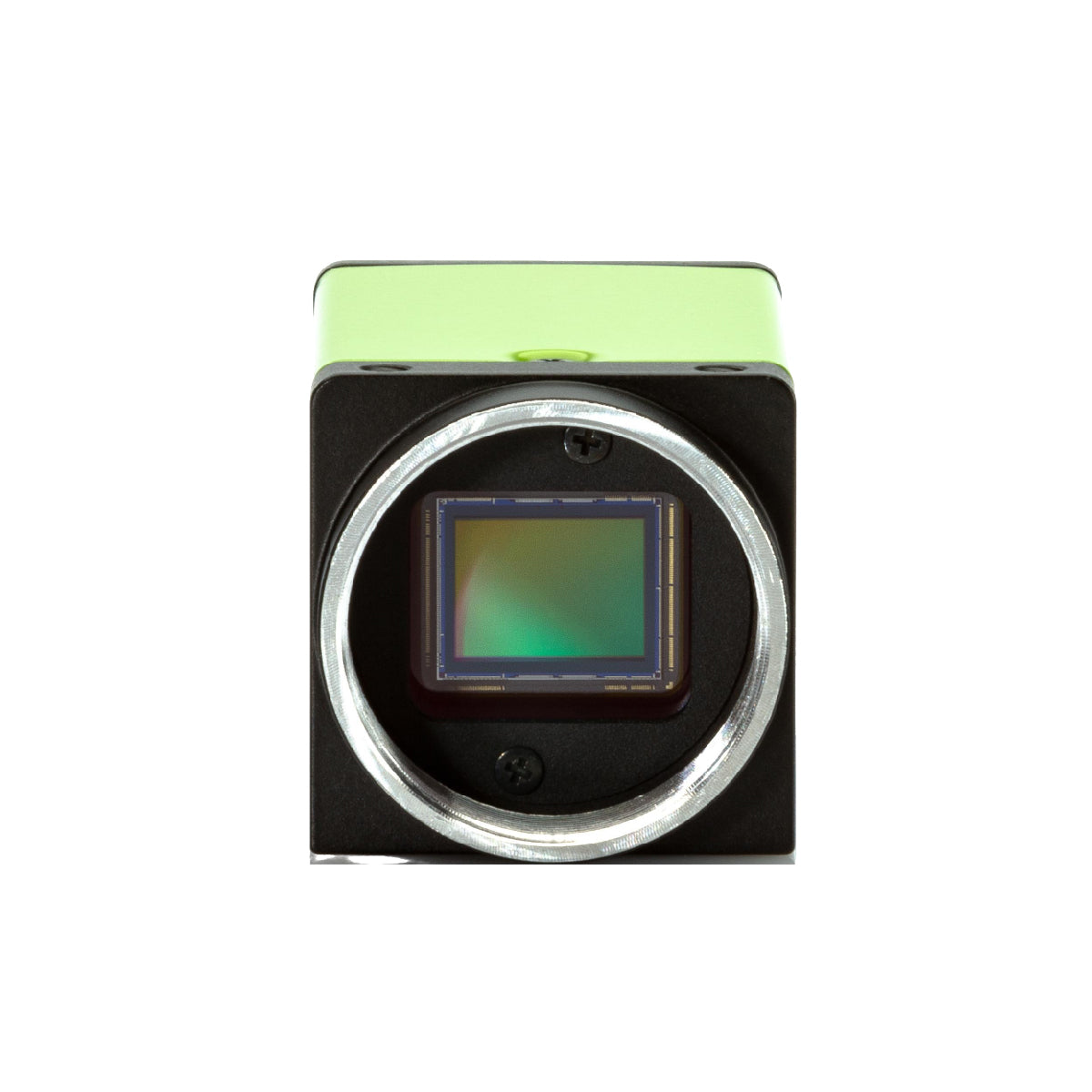
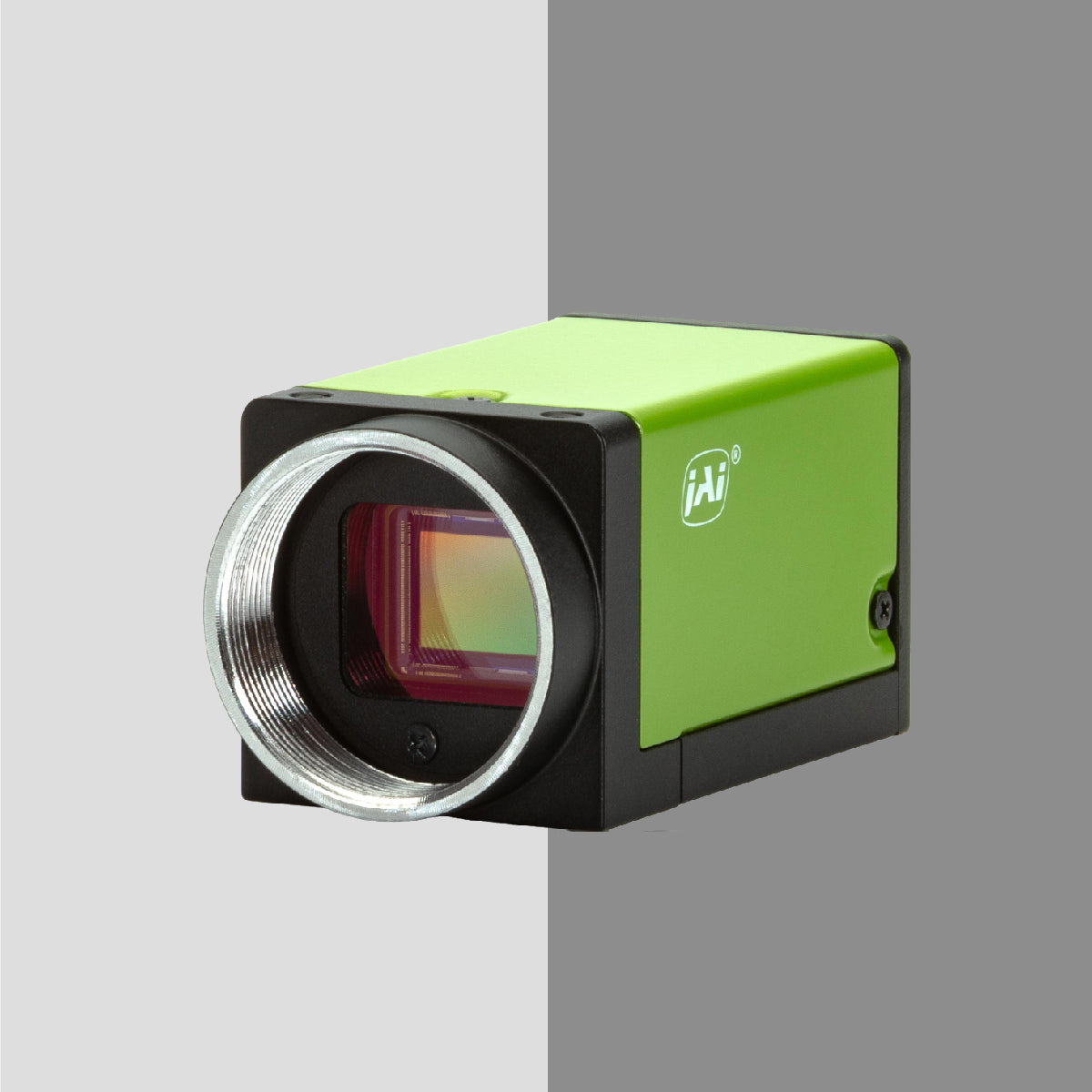
When paired with the correct machine vision cameras, precision lenses, and industrial lighting, longpass filters help create highly controlled optical environments.
Longpass filters support a wide range of industrial and scientific imaging applications:
Used in automated inspection systems to block unwanted visible light while allowing infrared illumination to reach the sensor.
Longpass filters isolate emission wavelengths in fluorescence microscopy by blocking shorter excitation wavelengths.
Wafer inspection systems often rely on controlled spectral filtering to detect surface defects and contamination.
In life sciences and laboratory imaging, longpass filters help separate fluorescence signals from background illumination.
Industrial laser measurement systems use longpass filters to block stray light while transmitting the laser wavelength.
For narrow spectral filtering solutions, explore our specialized collection of Bandpass Filters Collection. For controlling light intensity in bright environments, review our Neutral Density Filters Collection.
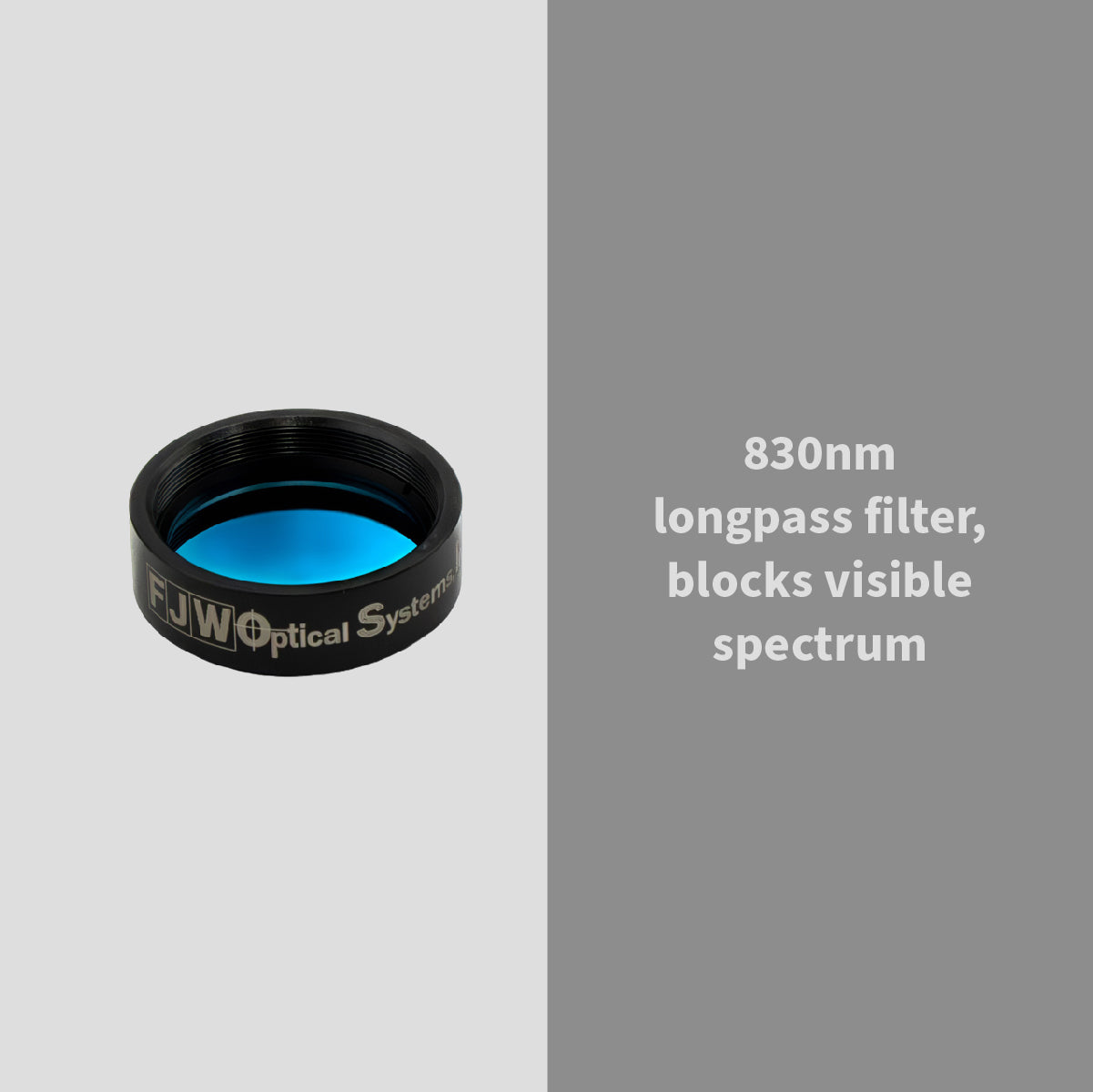
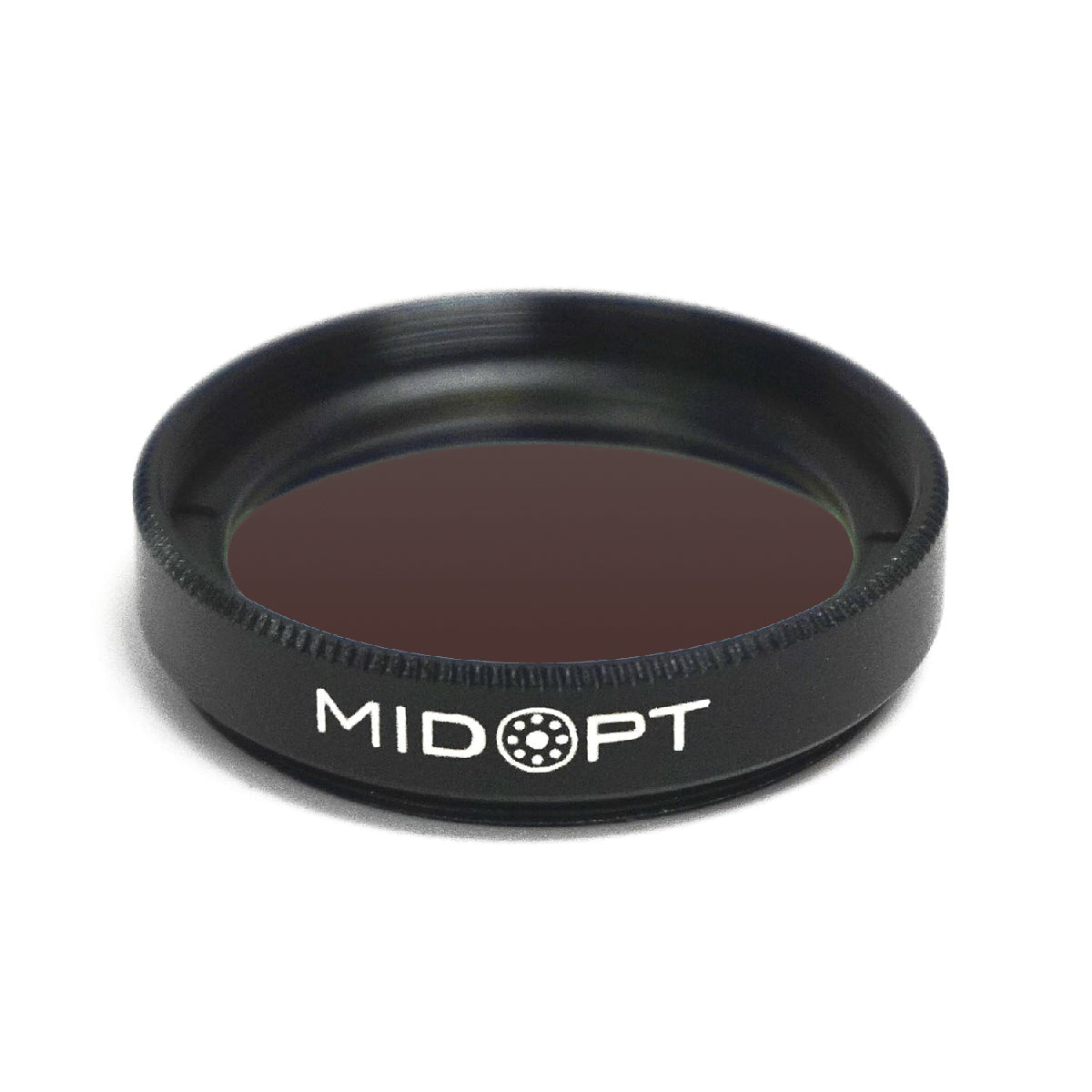
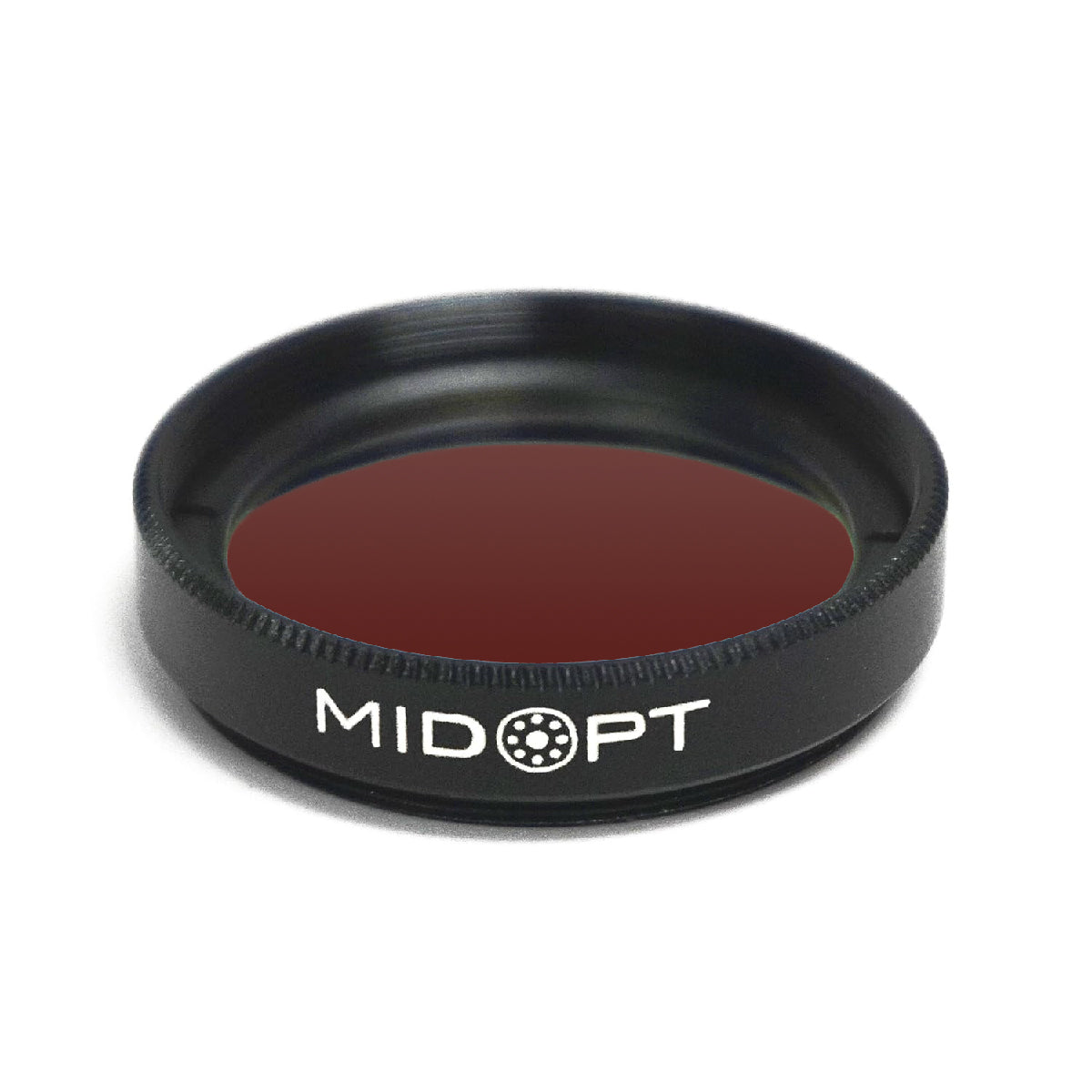
Infrared longpass filters are widely used in machine vision and industrial imaging systems to block visible light while allowing infrared wavelengths to pass through. These filters are essential for applications such as night vision, thermal imaging, and defect detection where IR illumination improves contrast and visibility.
By eliminating visible light interference, IR longpass filters enable more accurate imaging results in challenging lighting conditions and high-speed inspection environments.
Longpass filters play a critical role in fluorescence imaging by separating excitation light from emitted fluorescence signals. These filters allow only longer wavelength emission light to reach the sensor, improving signal clarity and detection accuracy.
Commonly used in biomedical research, life science imaging, and laboratory analysis, fluorescence longpass filters help achieve precise measurements and reliable imaging results.
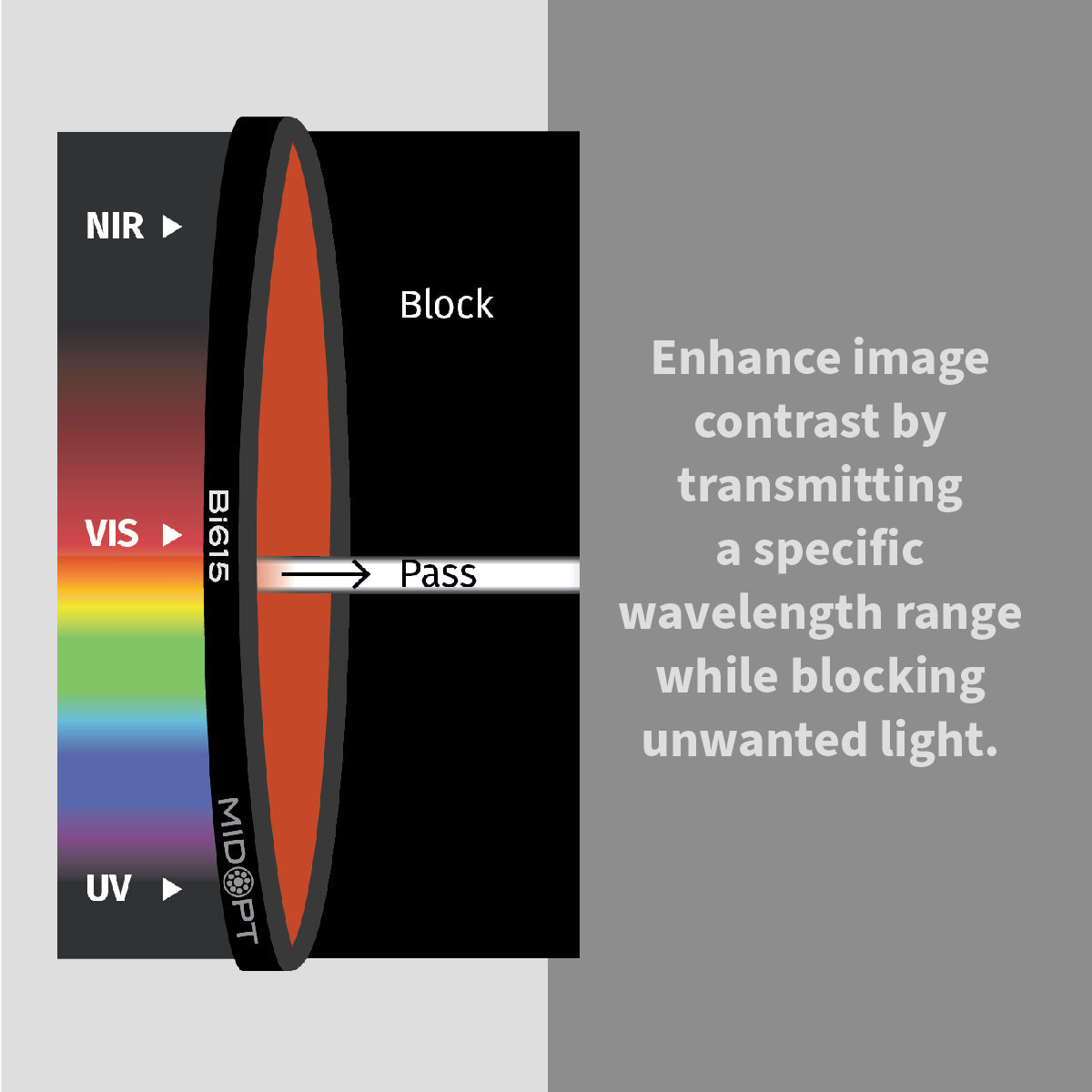
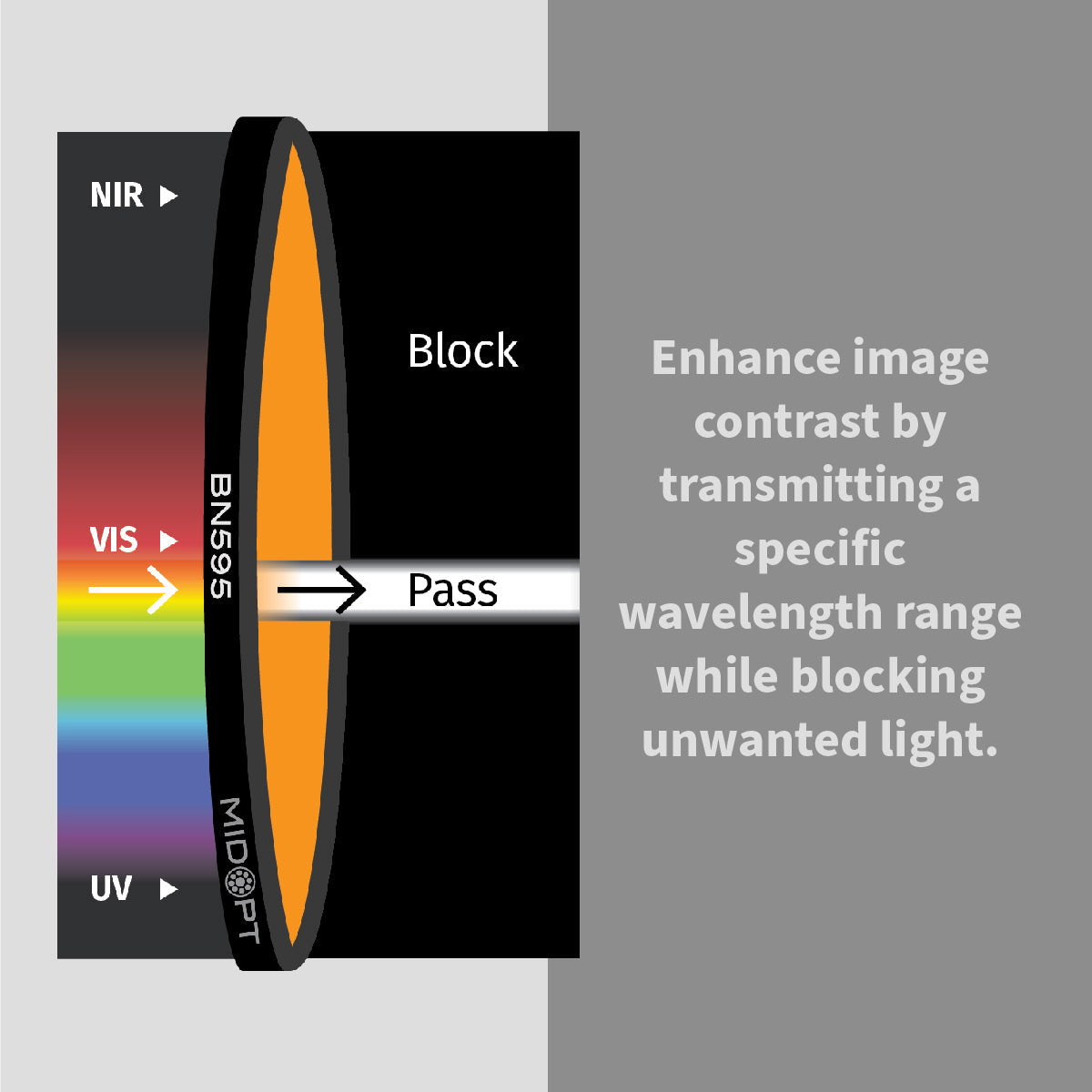
Longpass filters operate using multilayer dielectric coatings applied to precision optical substrates. These coatings create interference effects that allow longer wavelengths to pass while blocking shorter wavelengths.
For example:
• A 650nm longpass filter blocks light below 650nm
• Wavelengths longer than 650nm pass through the filter
This allows imaging systems to isolate infrared light while suppressing visible wavelengths.
The sharp transition between blocking and transmission regions ensures precise spectral filtering, which is essential for industrial imaging accuracy.
Longpass filters are frequently combined with other optical filters to create precise spectral filtering systems.
Allow only a narrow range of wavelengths to pass while blocking both shorter and longer wavelengths.
Transmit shorter wavelengths while blocking longer wavelengths.
Reduce light intensity without altering color balance.
Combining these filters allows engineers to design custom optical filtering solutions tailored to their imaging systems.
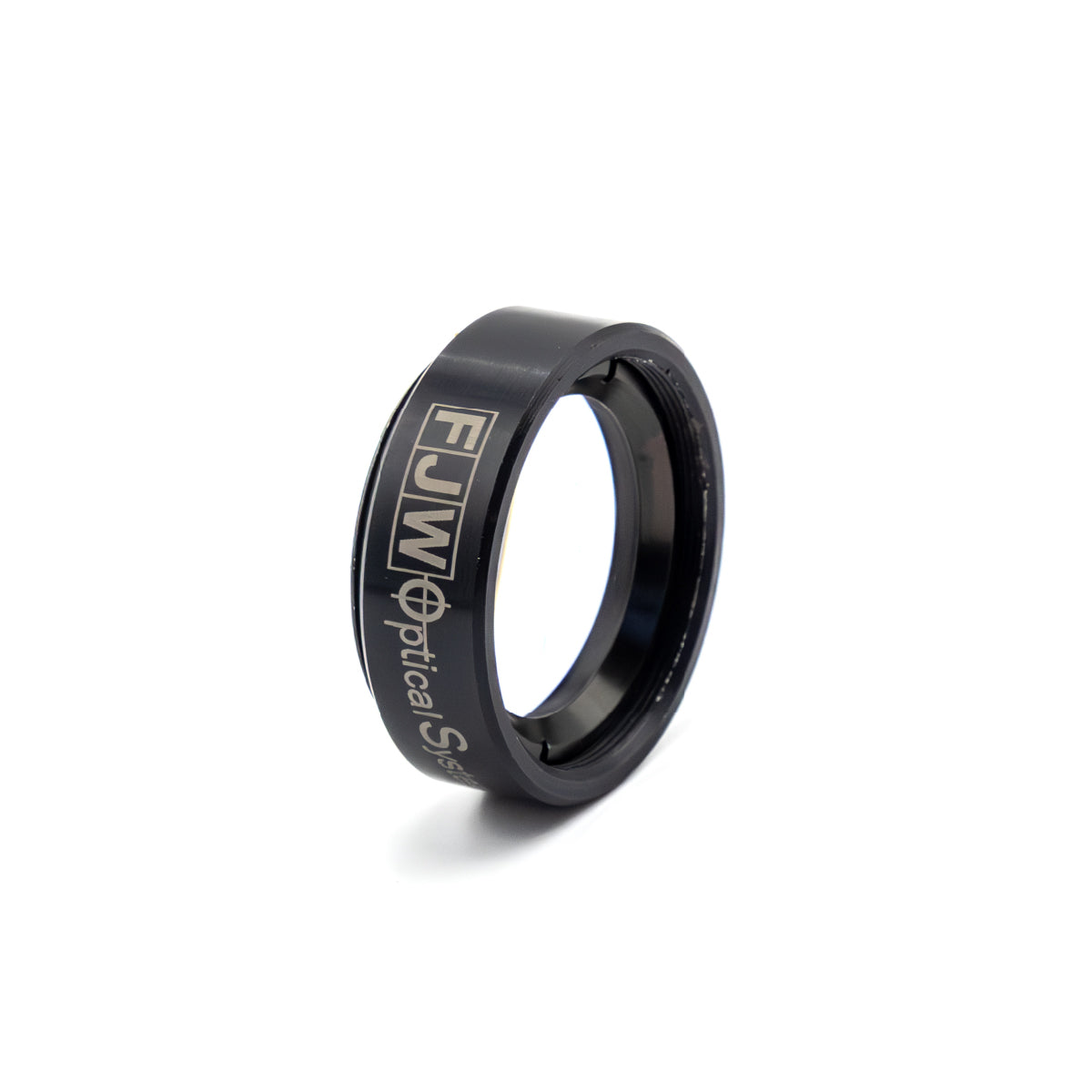
FJW Optical provides high-quality optical filters designed for demanding industrial and scientific applications.
Benefits include:
• Fast U.S. fulfillment
• OEM bulk pricing options
• Expert application guidance
• Compatibility with cameras and lenses
• Trusted supplier for machine vision integrators
Our team supports automation engineers, OEM manufacturers, and research institutions building advanced imaging platforms.
Recent Article : Longpass vs Shortpass Filters 2026: Key Differences and Future of Optical Filtering for Machine Vision
A longpass filter allows wavelengths longer than a defined cutoff point to pass through while blocking shorter wavelengths. This helps remove unwanted light and improves imaging contrast.
Longpass filters are ideal when you want to block shorter wavelengths while transmitting a broad range of longer wavelengths. Bandpass filters are used when isolating a very narrow spectral band.
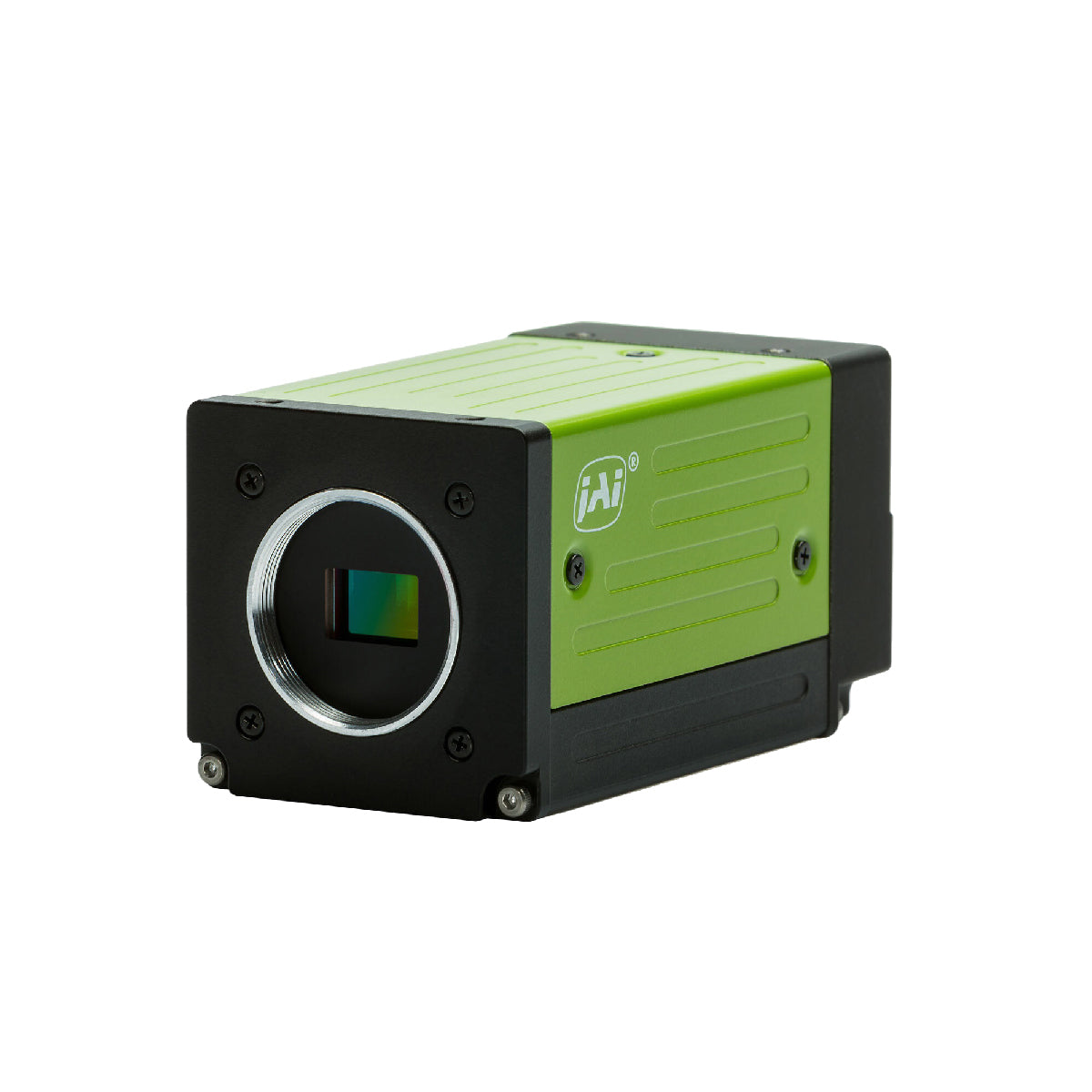
Yes. Longpass filters are commonly paired with industrial cameras to block ambient light and isolate illumination wavelengths used in inspection systems.
Yes. Longpass filters are frequently used to block visible light while allowing infrared wavelengths to reach sensors in IR imaging systems.
Yes. Longpass filters are often used with specialized machine vision lighting to improve contrast and isolate specific illumination wavelengths.