
 Find-R-Scopes

 Filters
 Lenses
 Cameras
 Lighting


 Accessories












Modern agriculture is rapidly evolving and at the center of that transformation is multispectral imaging. By combining advanced camera technology with data-driven insights, farmers and agronomists can monitor crop health with a level of precision that was once impossible.
What is Multispectral Imaging?
Multispectral imaging captures data at specific wavelengths across the electromagnetic spectrum, including visible and non-visible light such as near-infrared (NIR). Unlike traditional RGB cameras, multispectral cameras provide detailed information about how plants reflect light – revealing insights invisible to the human eye.
These systems are commonly mounted on drones, tractors or fixed monitoring stations, allowing for efficient scanning of large agricultural areas.
Why Multispectral Cameras Matter in Agriculture
1. Early Detection of Crop Stress
Multispectral cameras can identify plant stress before it becomes visible. Variations in light reflectance can indicate:
- Water deficiency
- Nutrient imbalances
- Disease or pest presence
By detecting these issues early, growers can act quickly, reducing crop loss and improving yields.
2. Vegetation Indices (NDVI and Beyond)
One of the most widely used metrics is the Normalized Difference Vegetation Index (NDVI). This index uses red and near-infrared light to assess plant health.
Healthy vegetation reflects more NIR light and absorbs more visible red light. Multispectral cameras capture this contrast, generating false-color images that highlight crop vitality across a field.
Other indices, such as NDRE and GNDVI, offer additional insights depending on crop type and growth stage.
3. Precision Farming & Resource Optimization
With multispectral data, farmers can apply inputs (like water, fertilizers and pesticides) exactly where they’re needed.
This targeted approach:
- Reduces waste
- Lowers operational costs
- Minimizes environmental impact
Key Camera Features for Multispectral Imaging
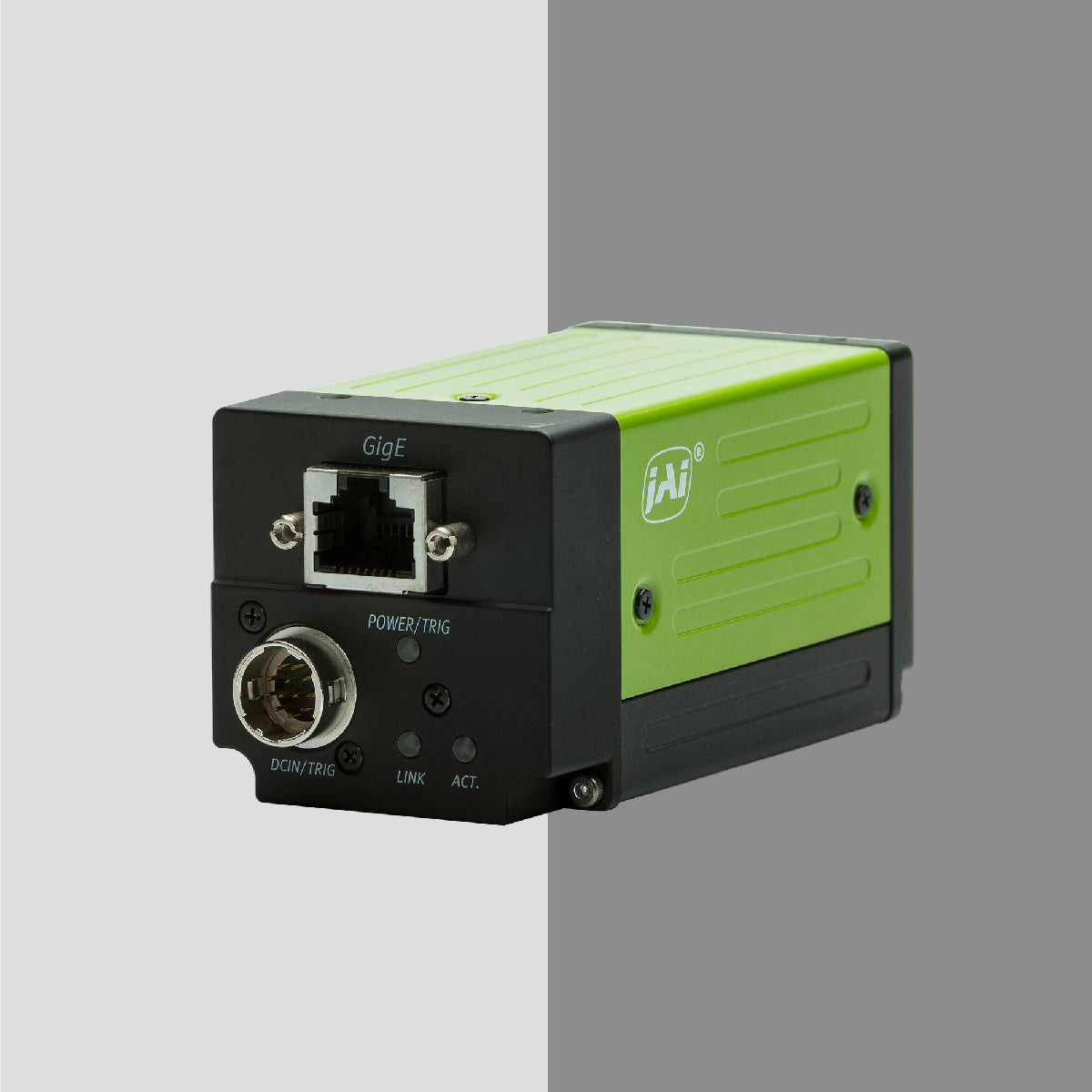
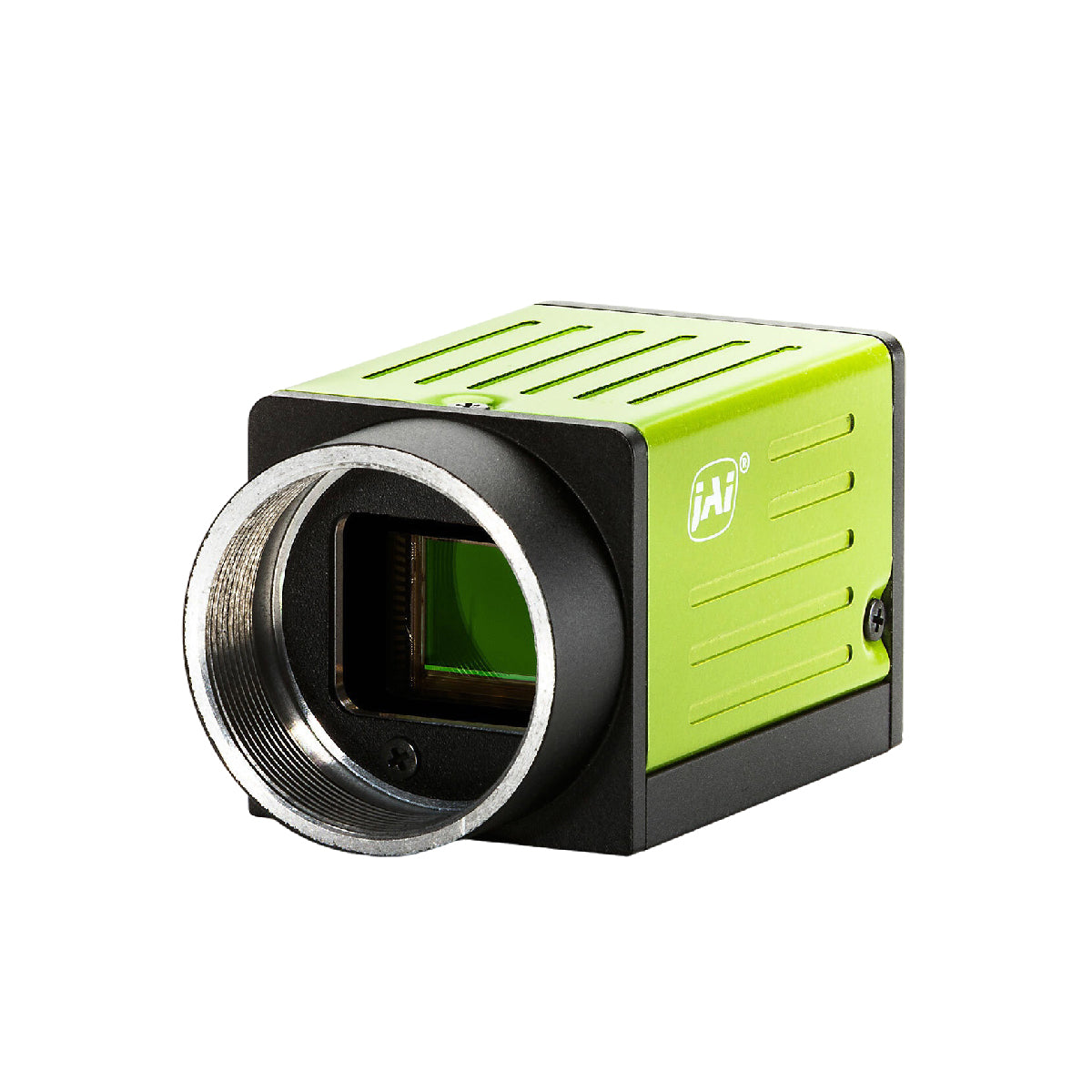
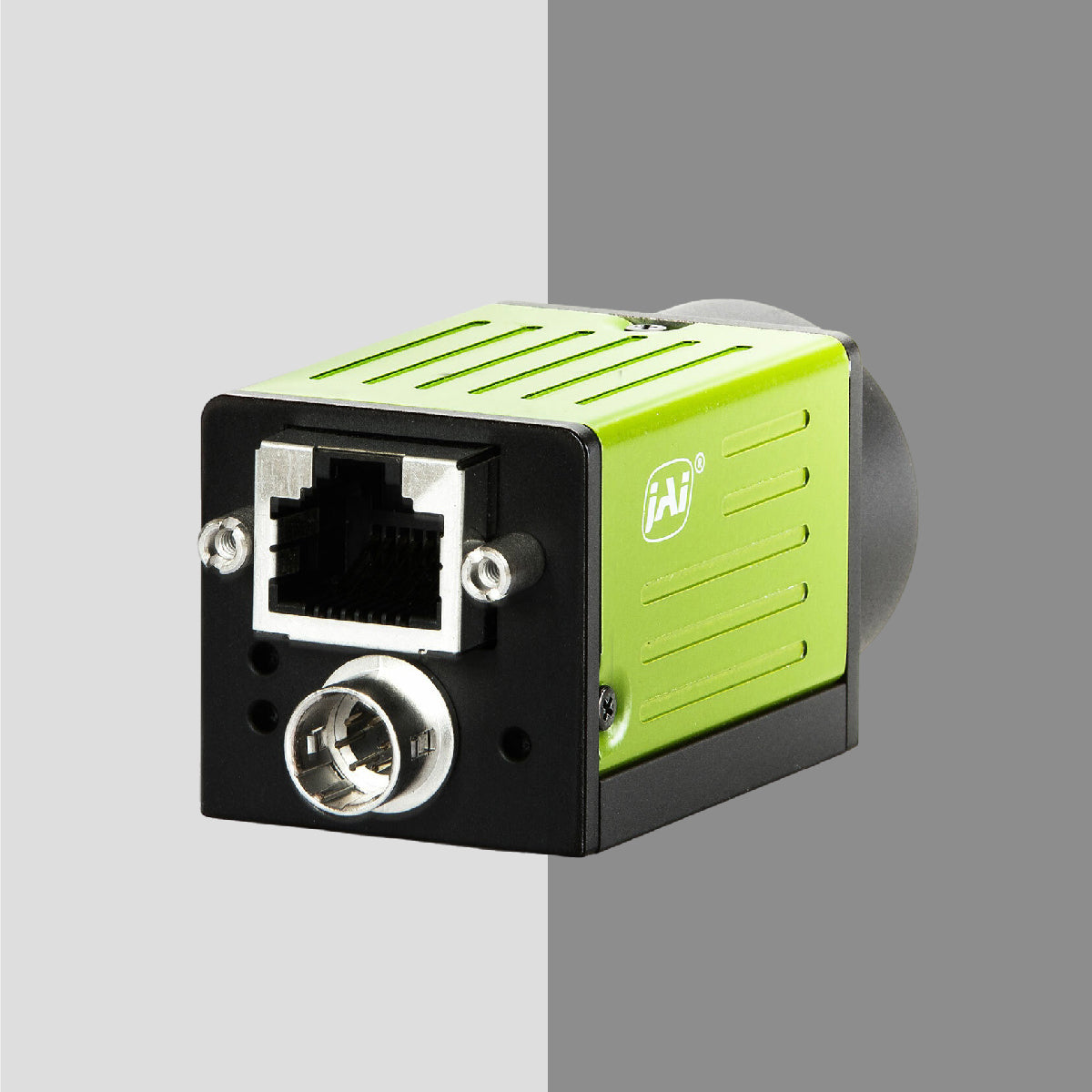
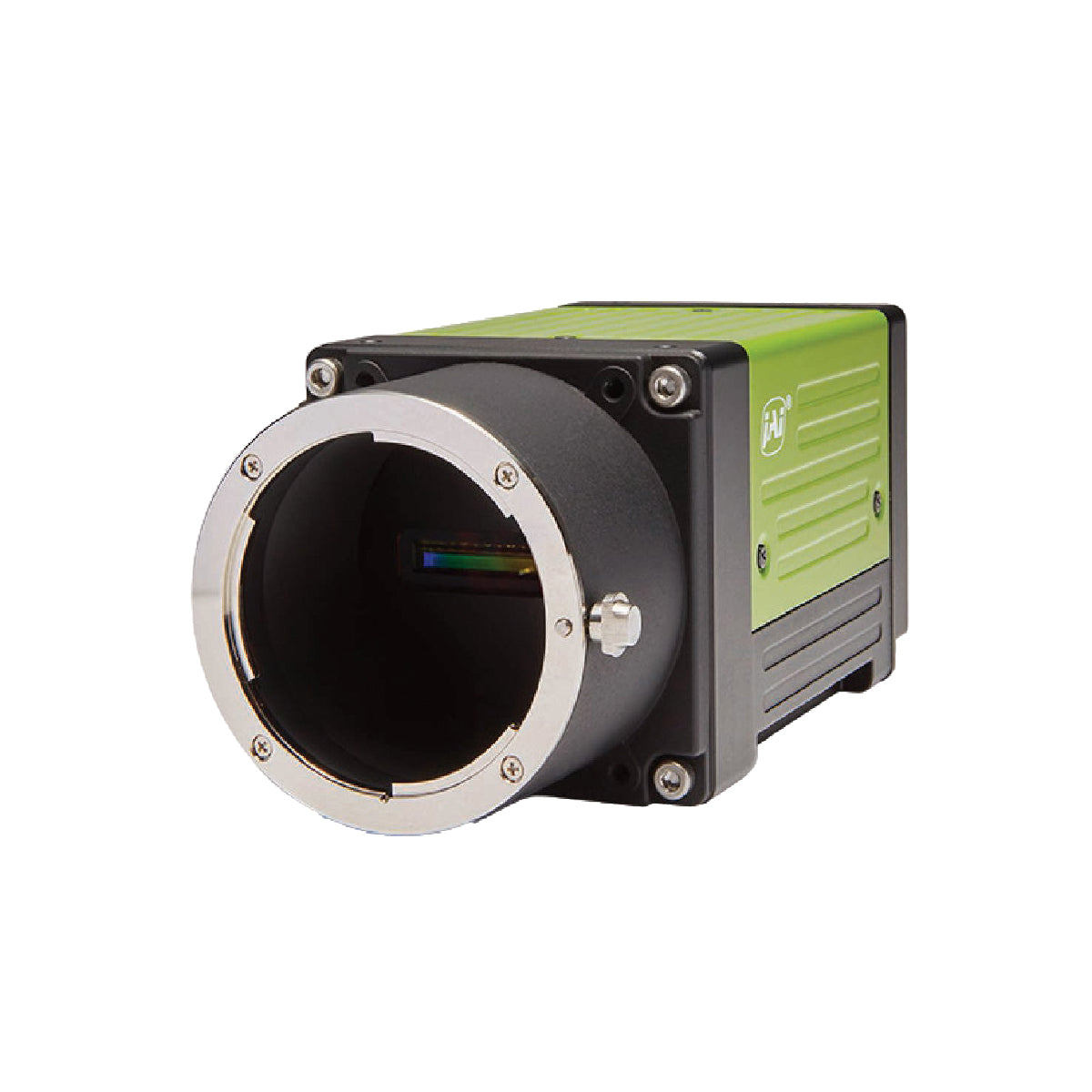
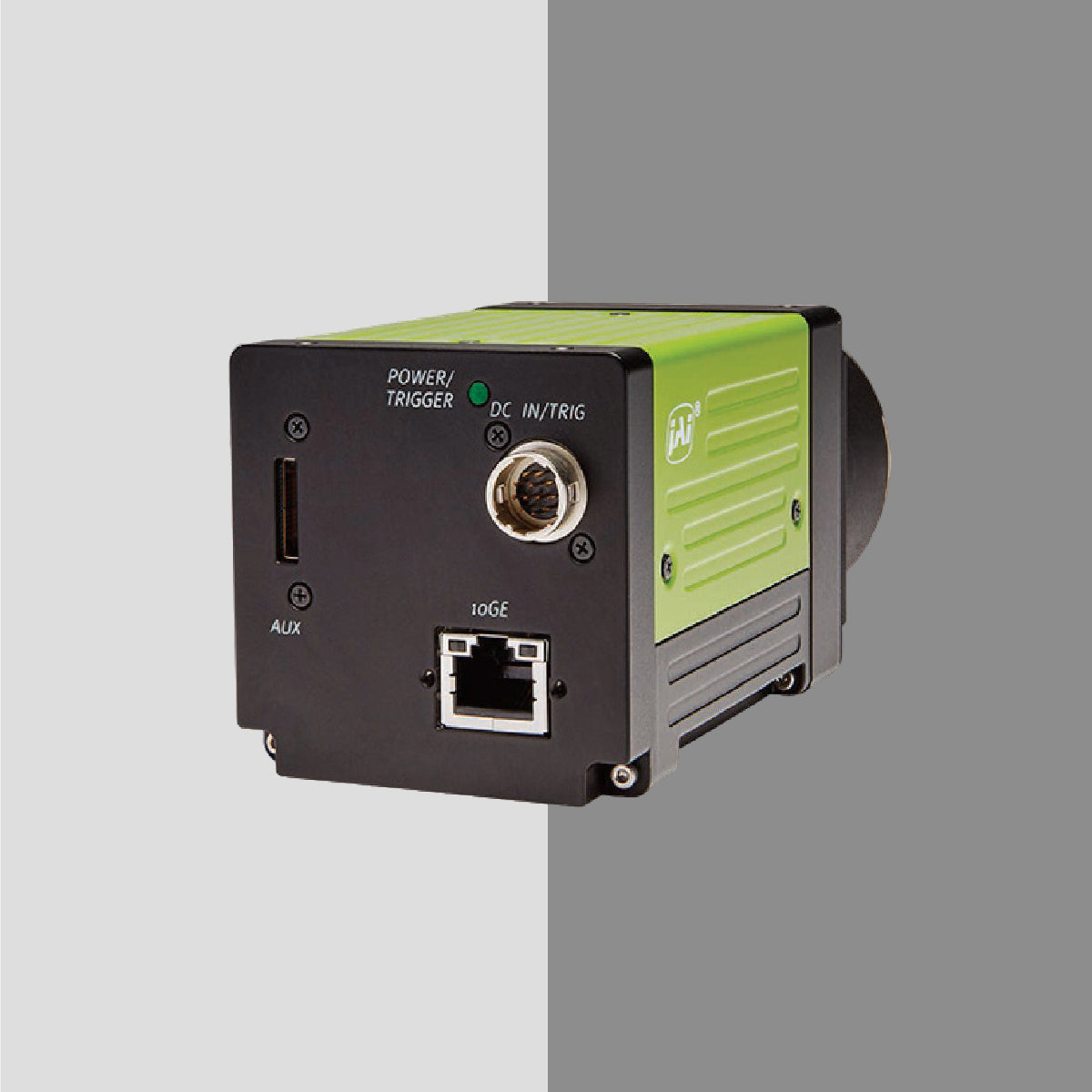
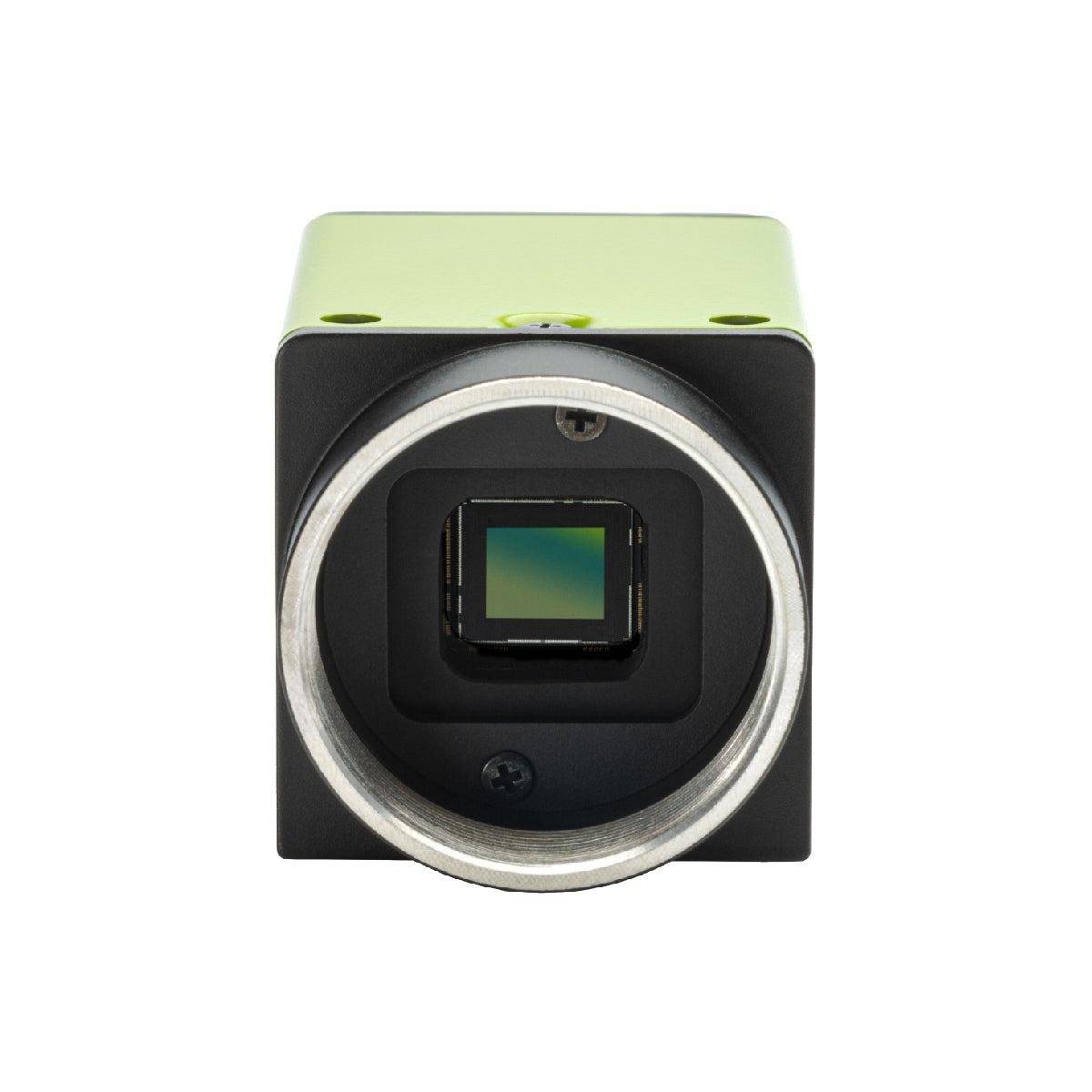
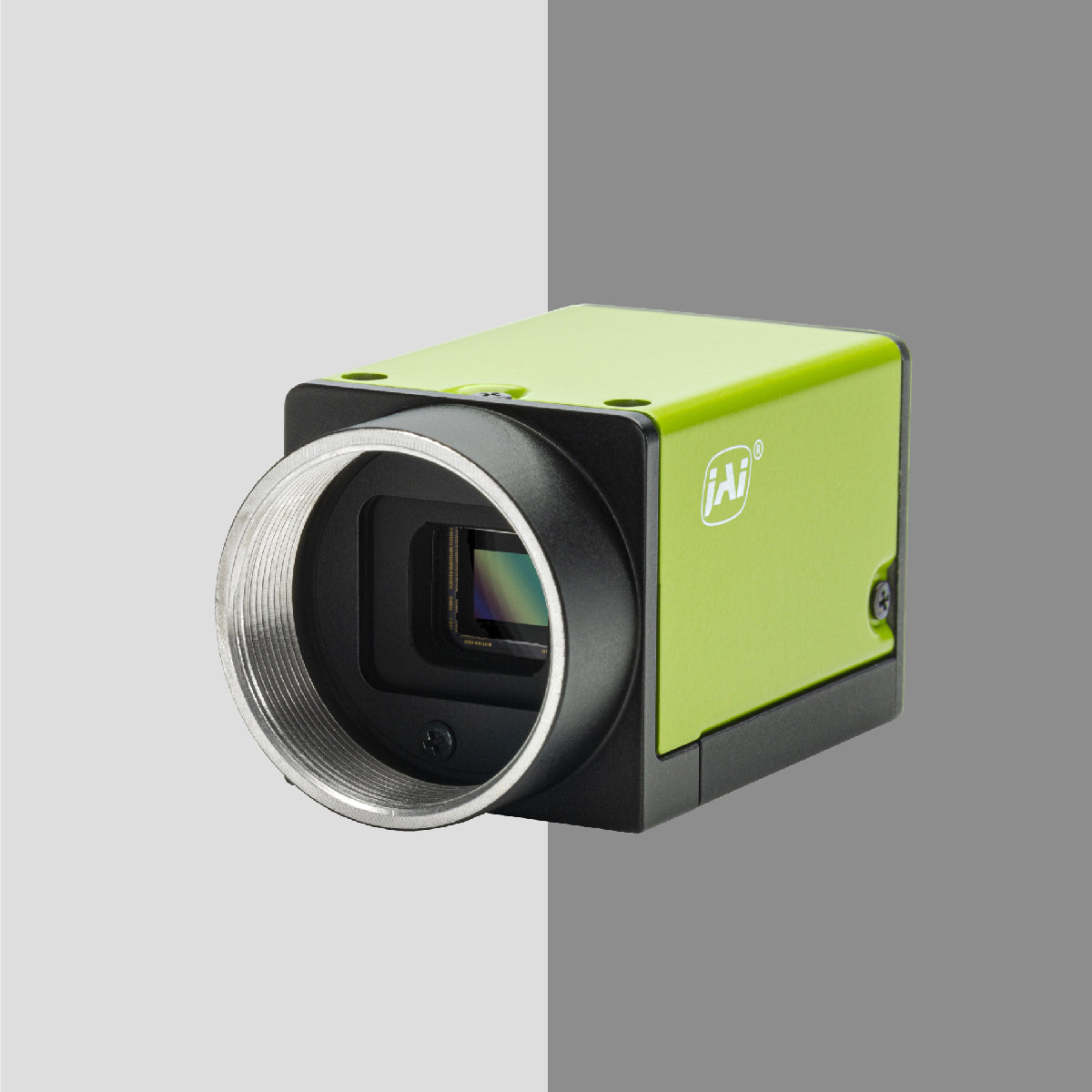
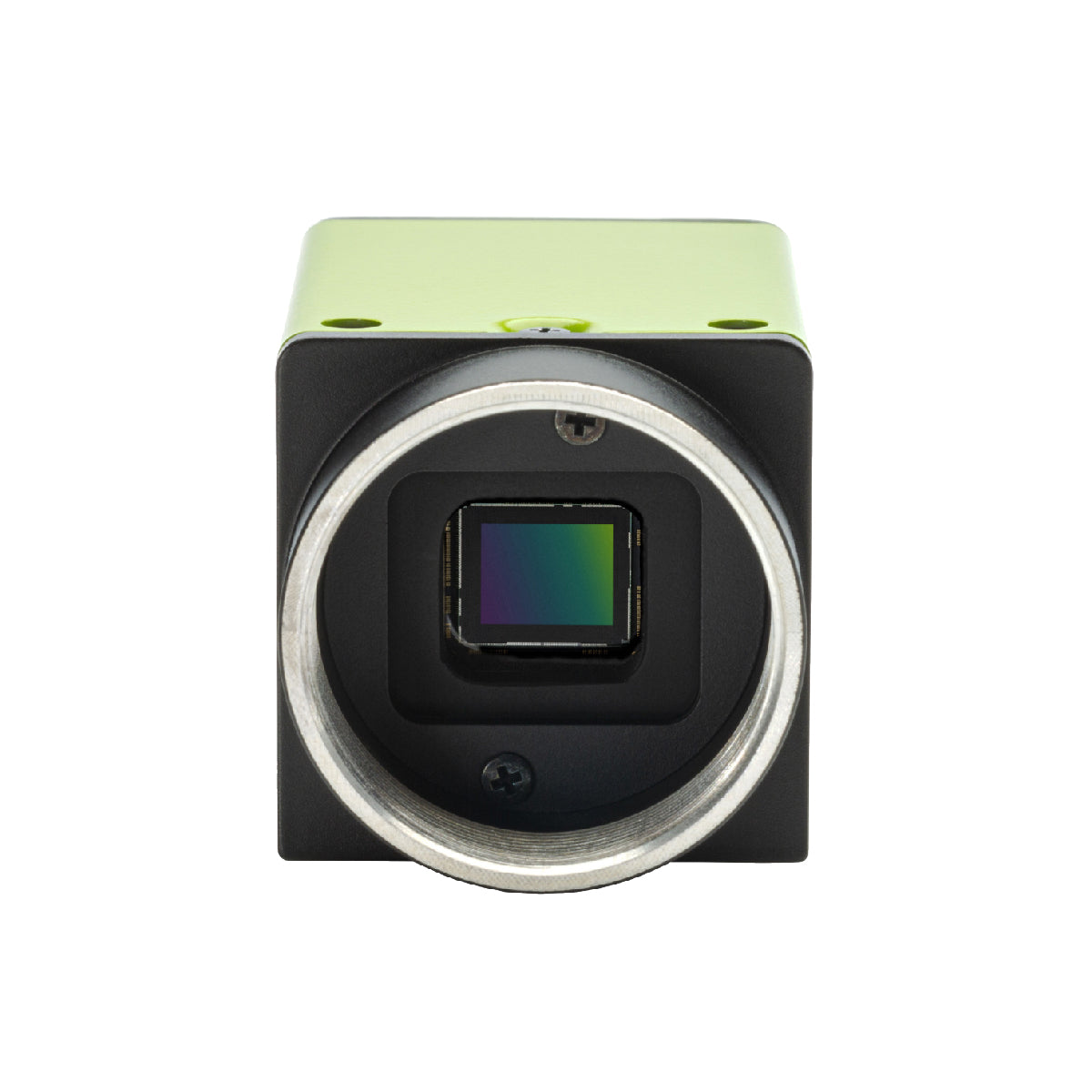
When selecting a multispectral camera system for agricultural monitoring, several factors are critical:
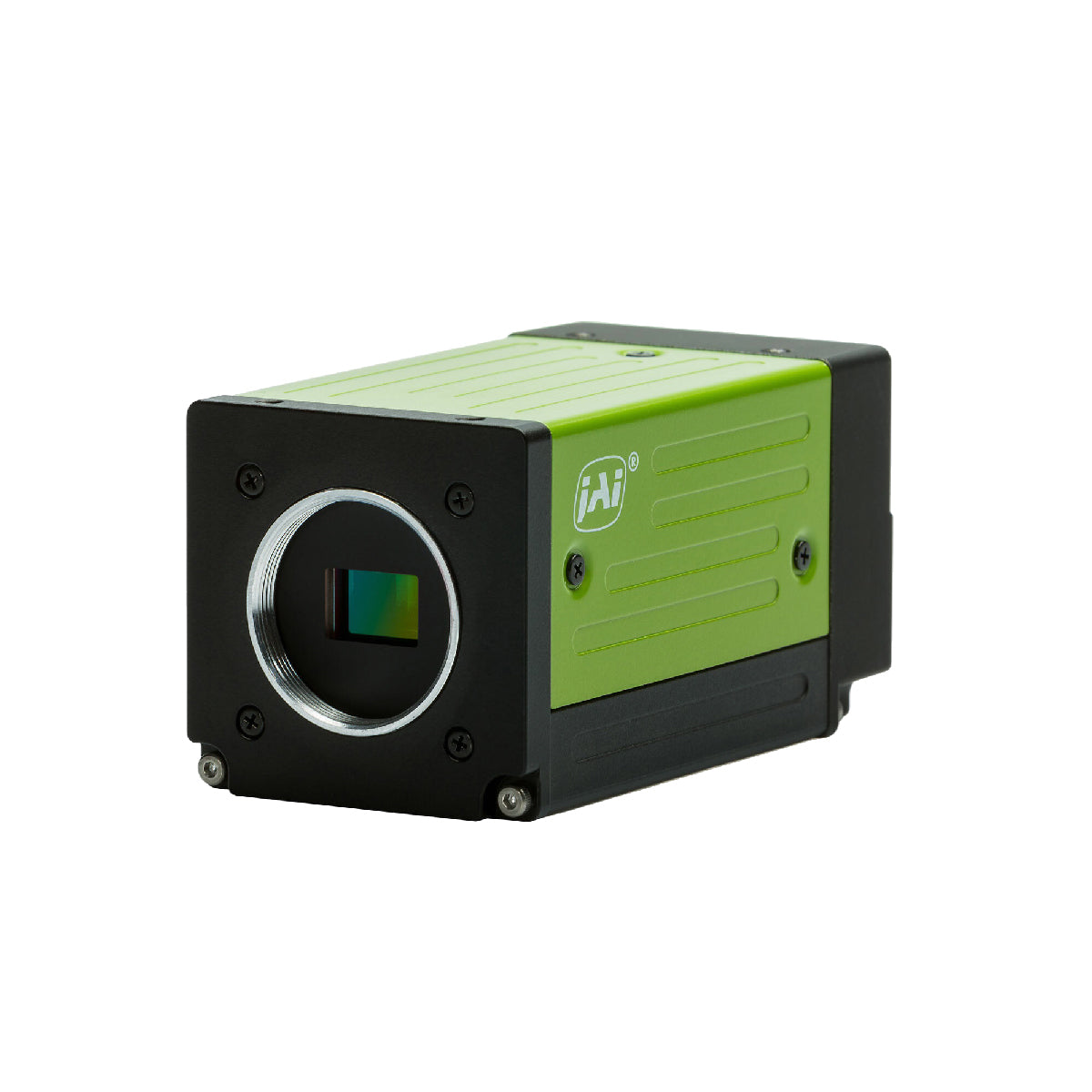
- Spectral Bands: Look for cameras that capture relevant bands (e.g., red, green, blue, NIR, red-edge).
- Resolution: Higher resolution enables more detailed field analysis.
- Calibration: Radiometric calibration ensures accurate, repeatable data across time.
- Integration: Compatibility with drones or machine vision systems is essential for seamless deployment.
The Role of Optical Filters in Multispectral Systems
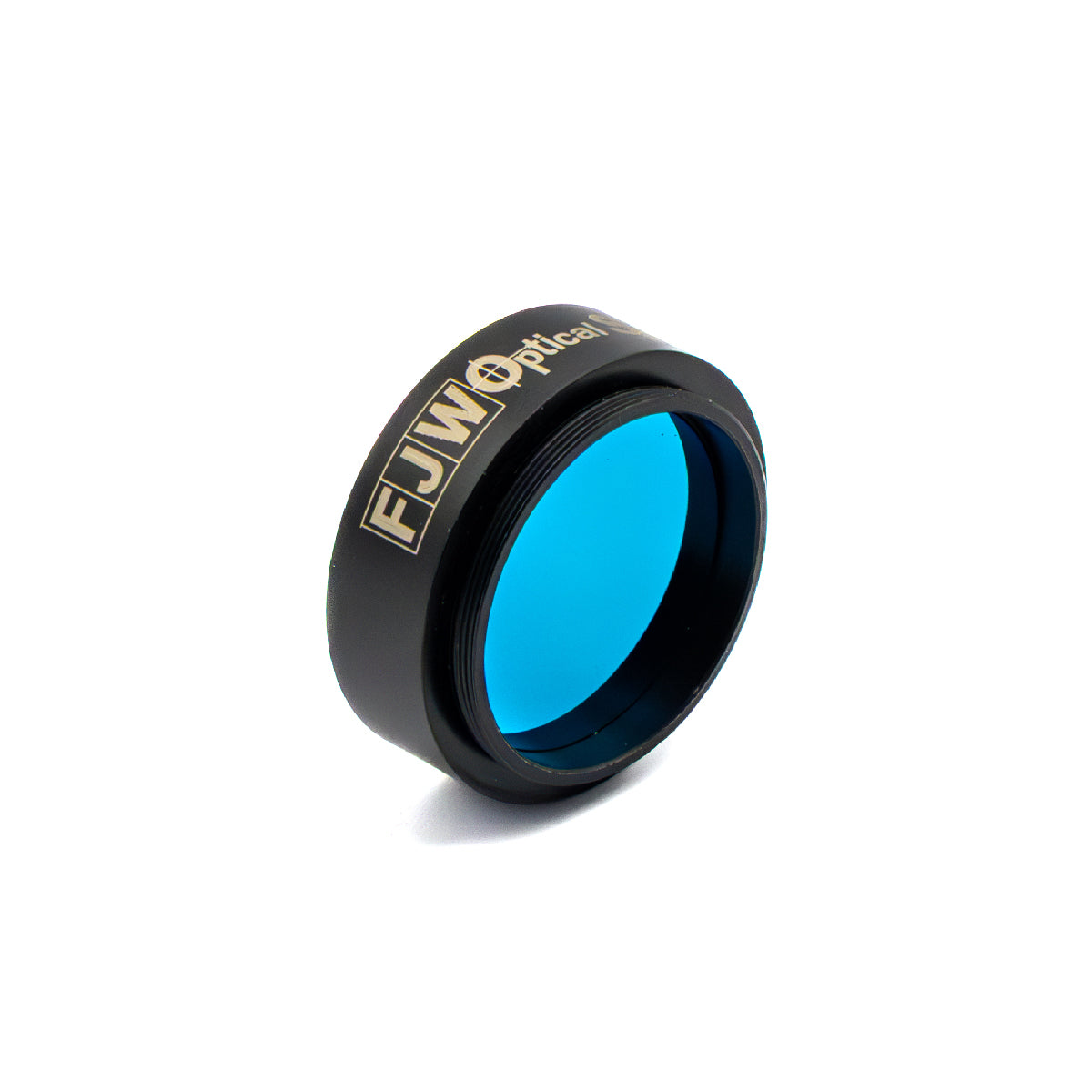
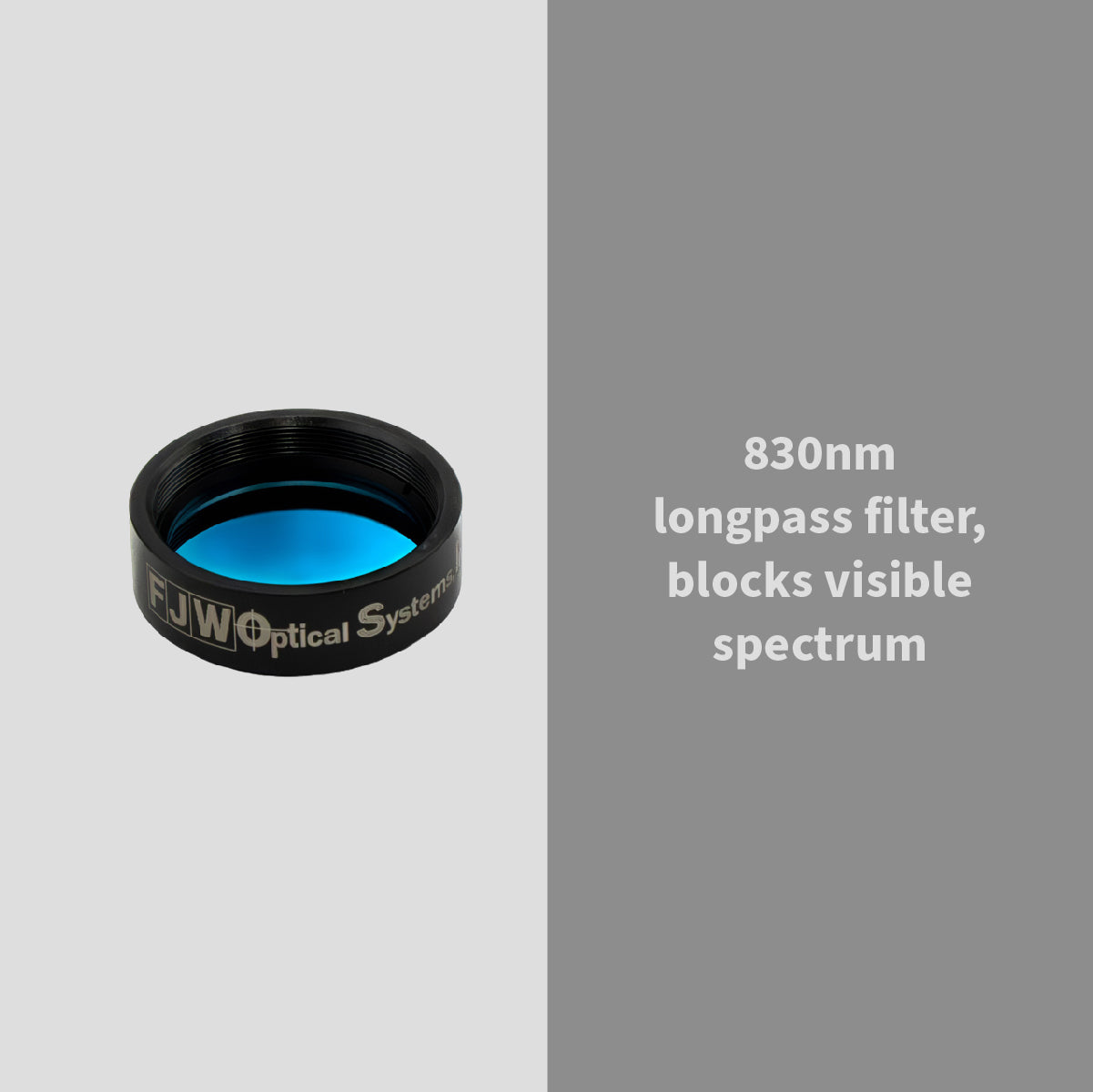
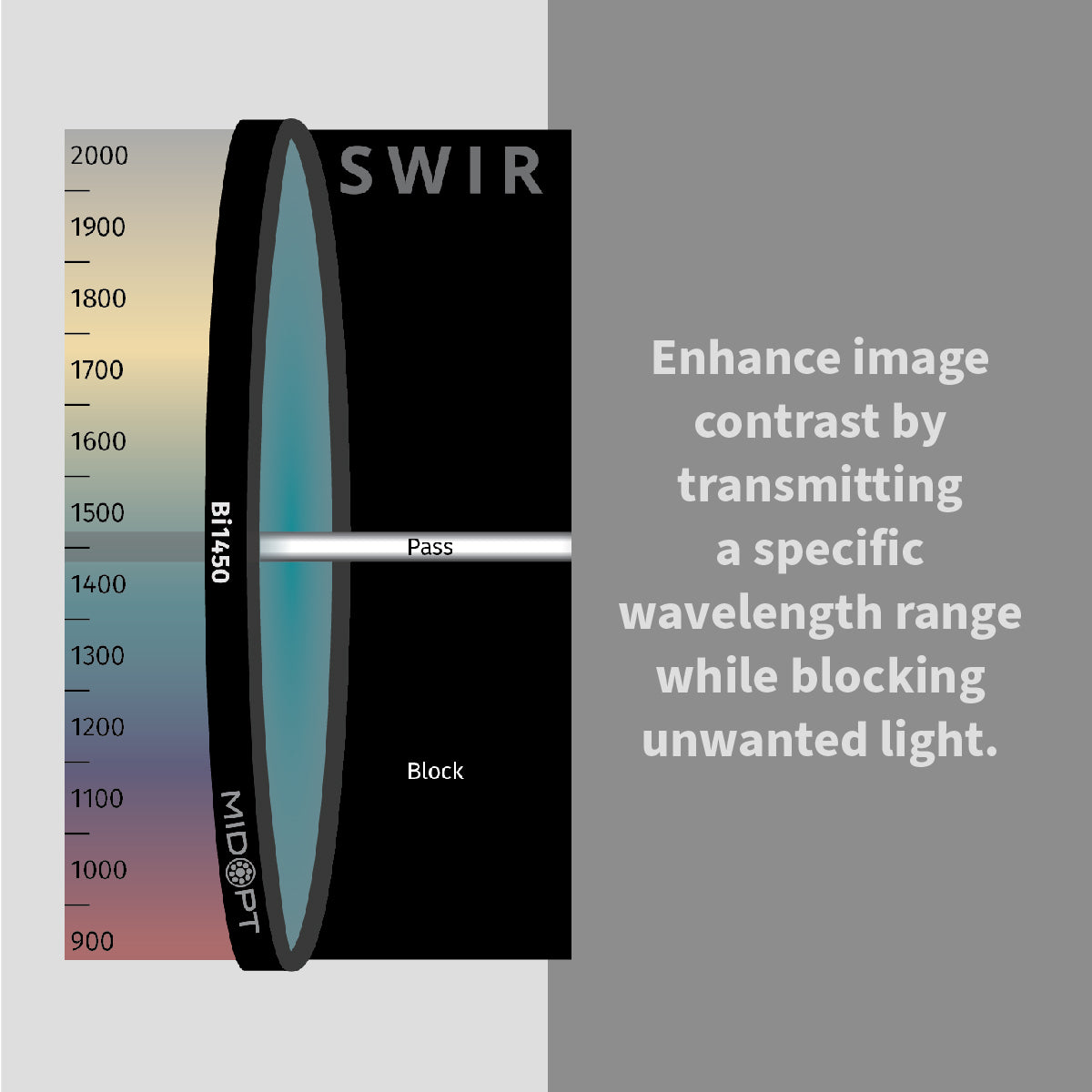
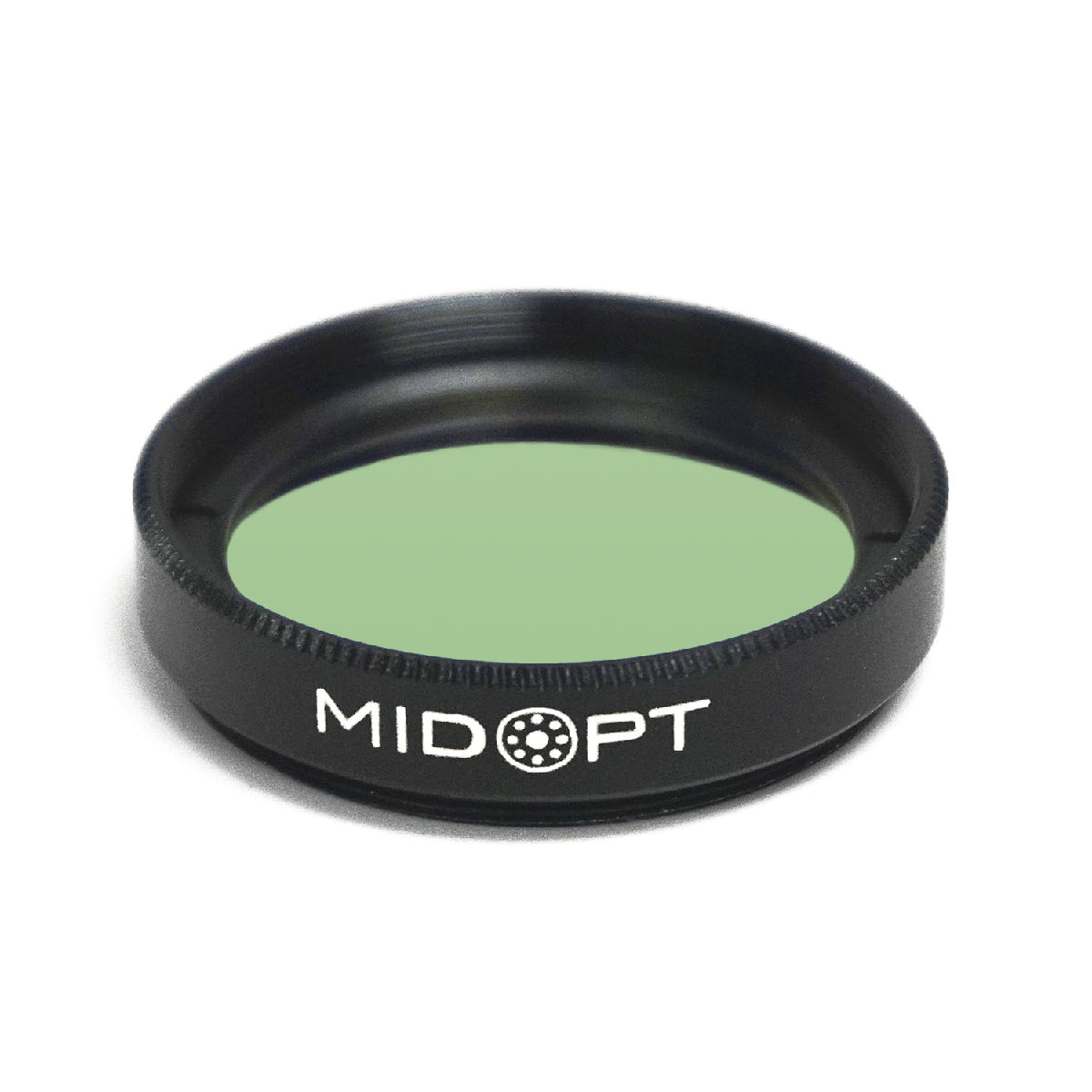
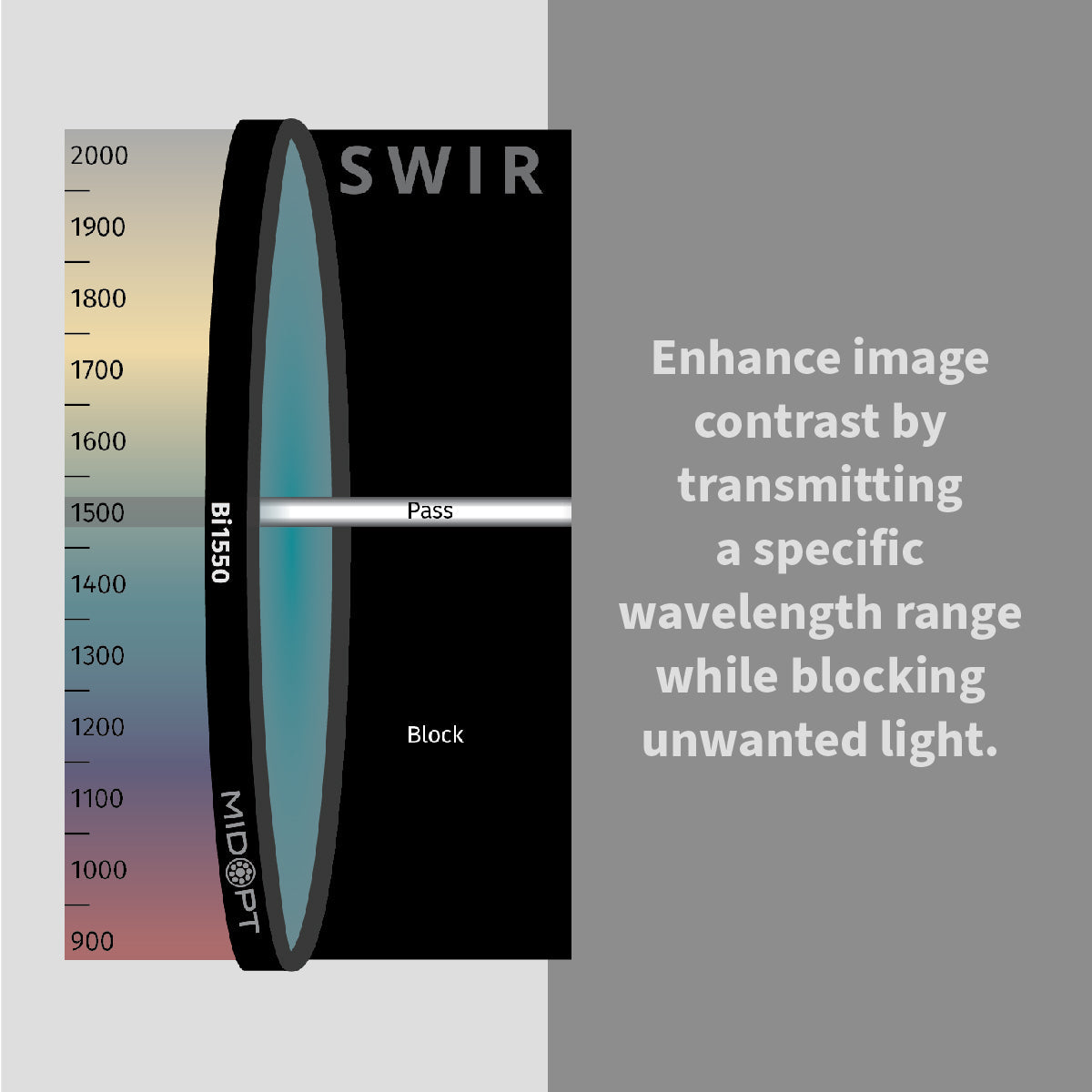
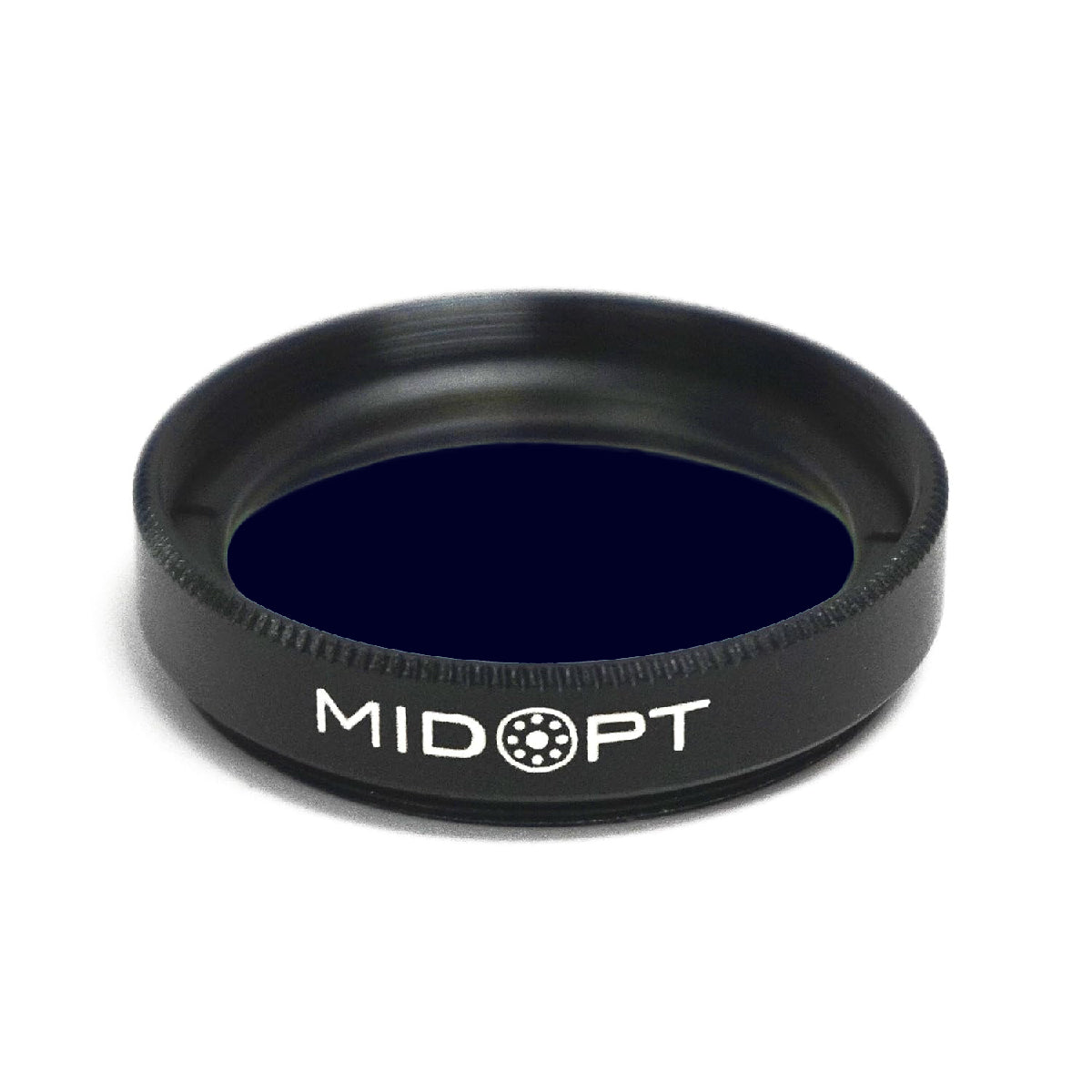
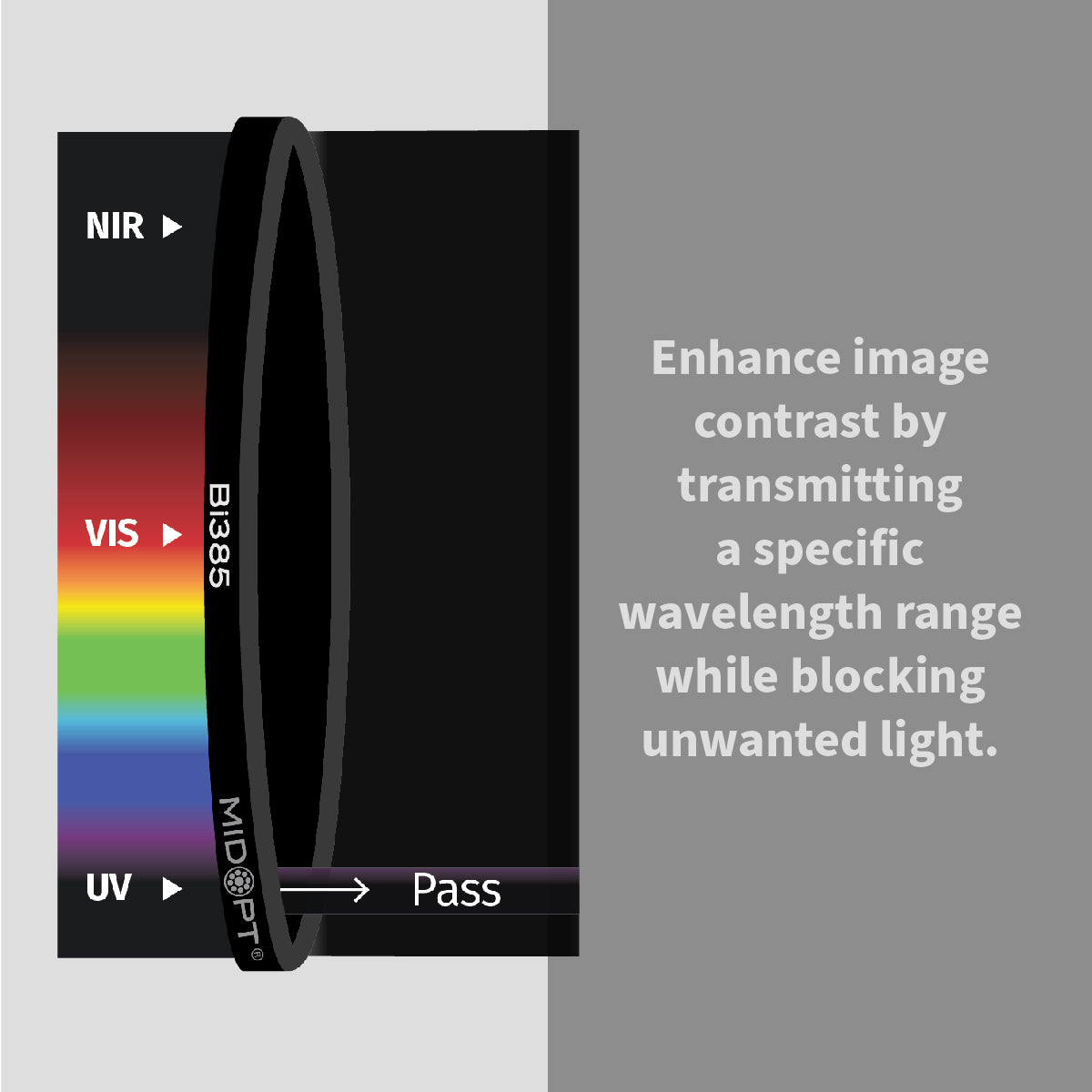
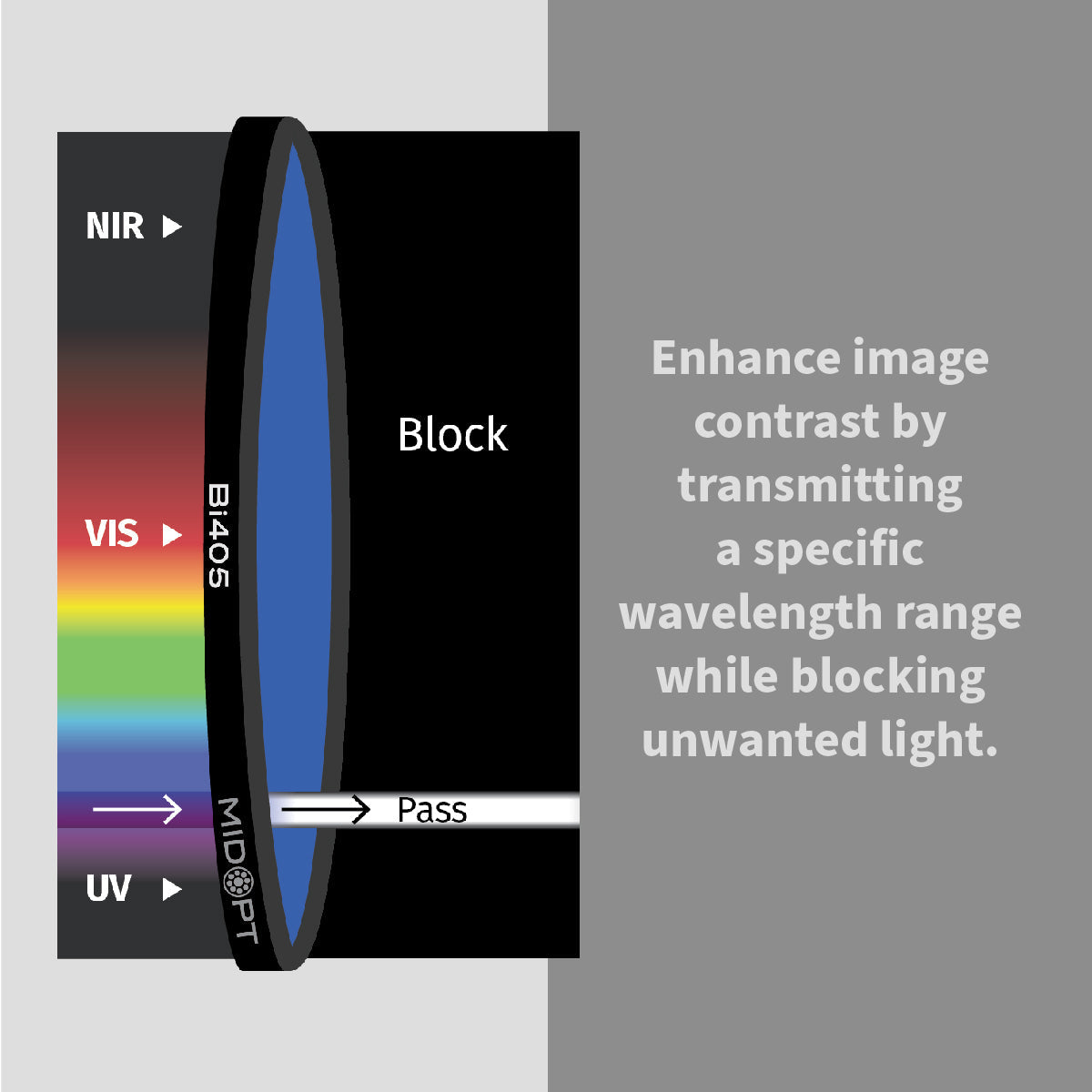
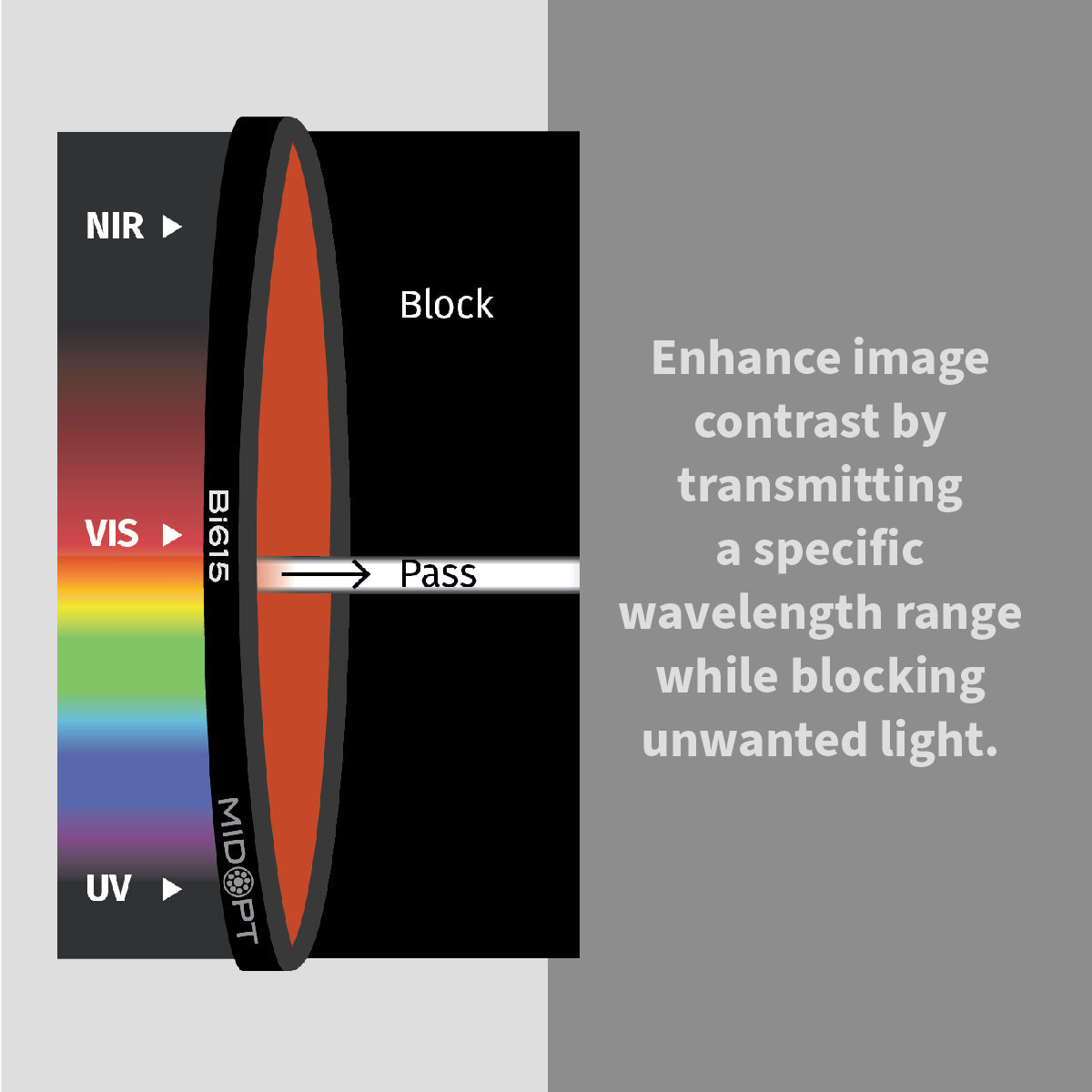
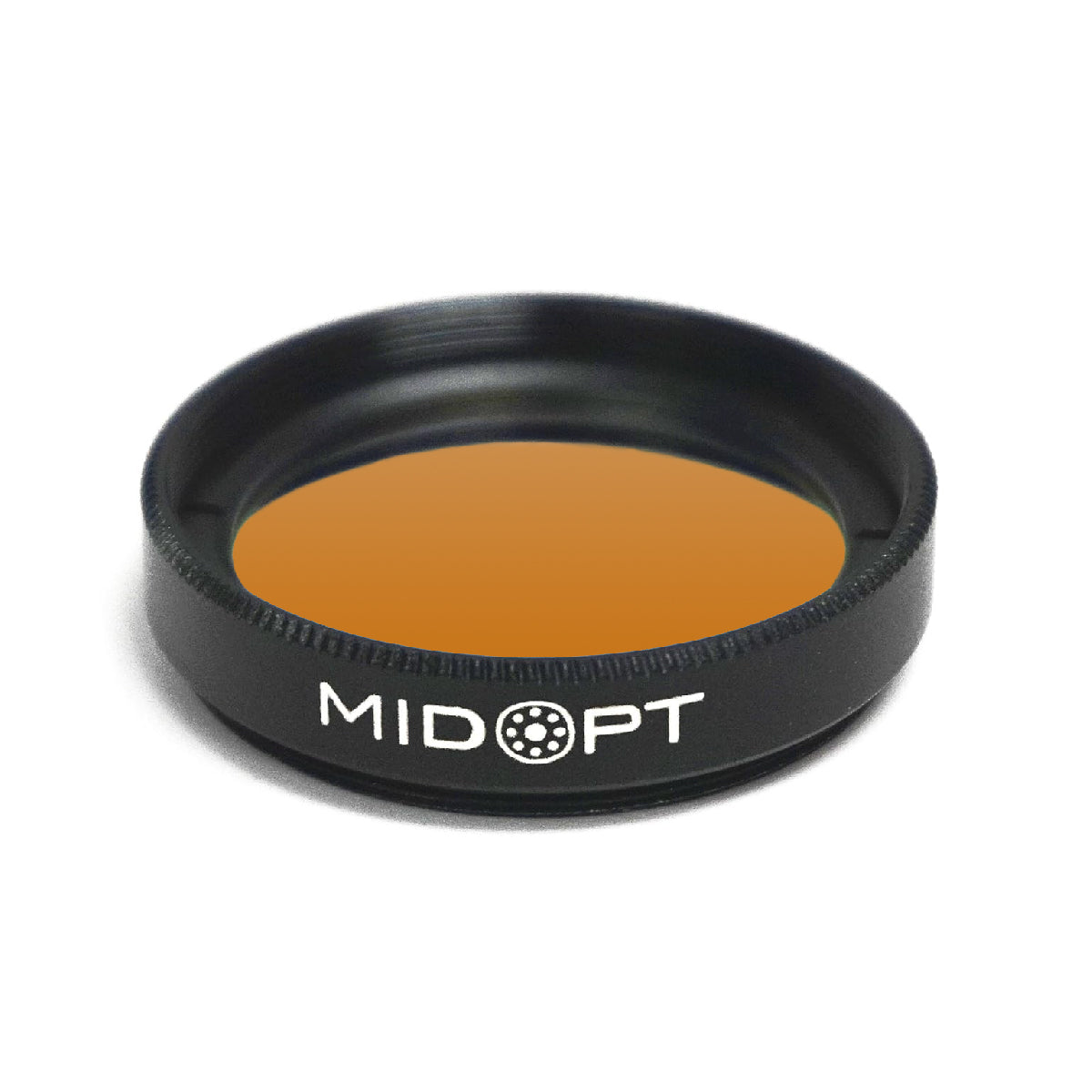
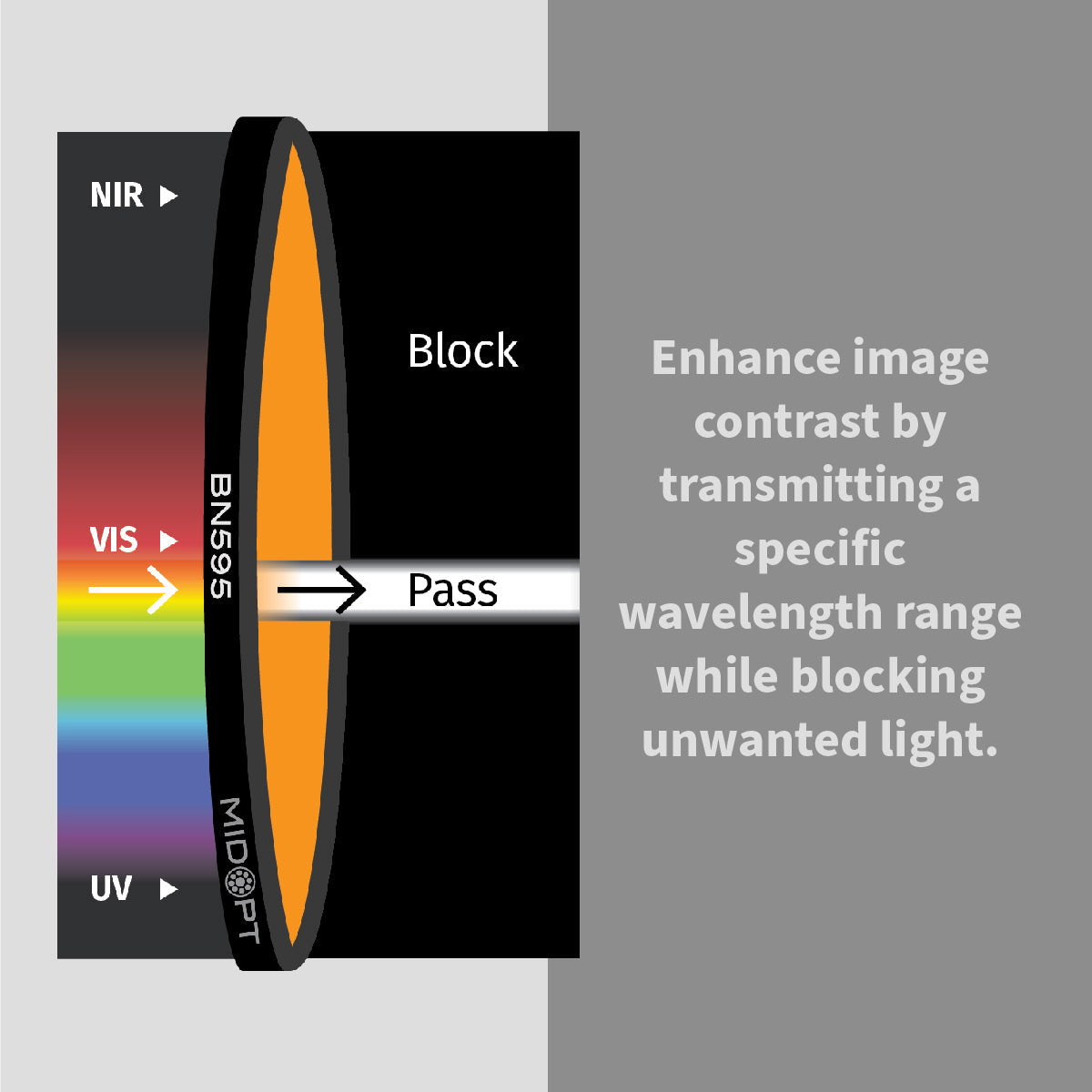
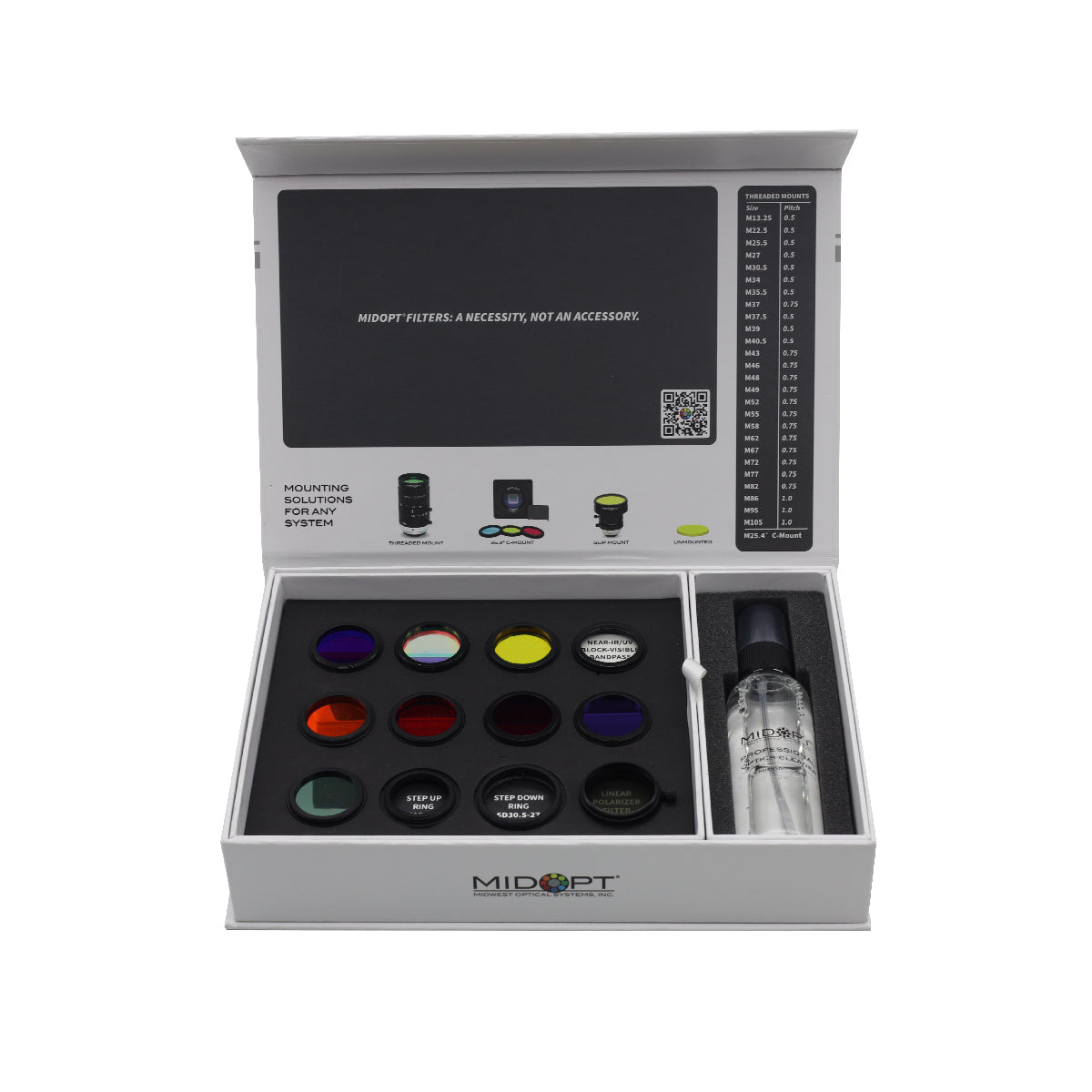
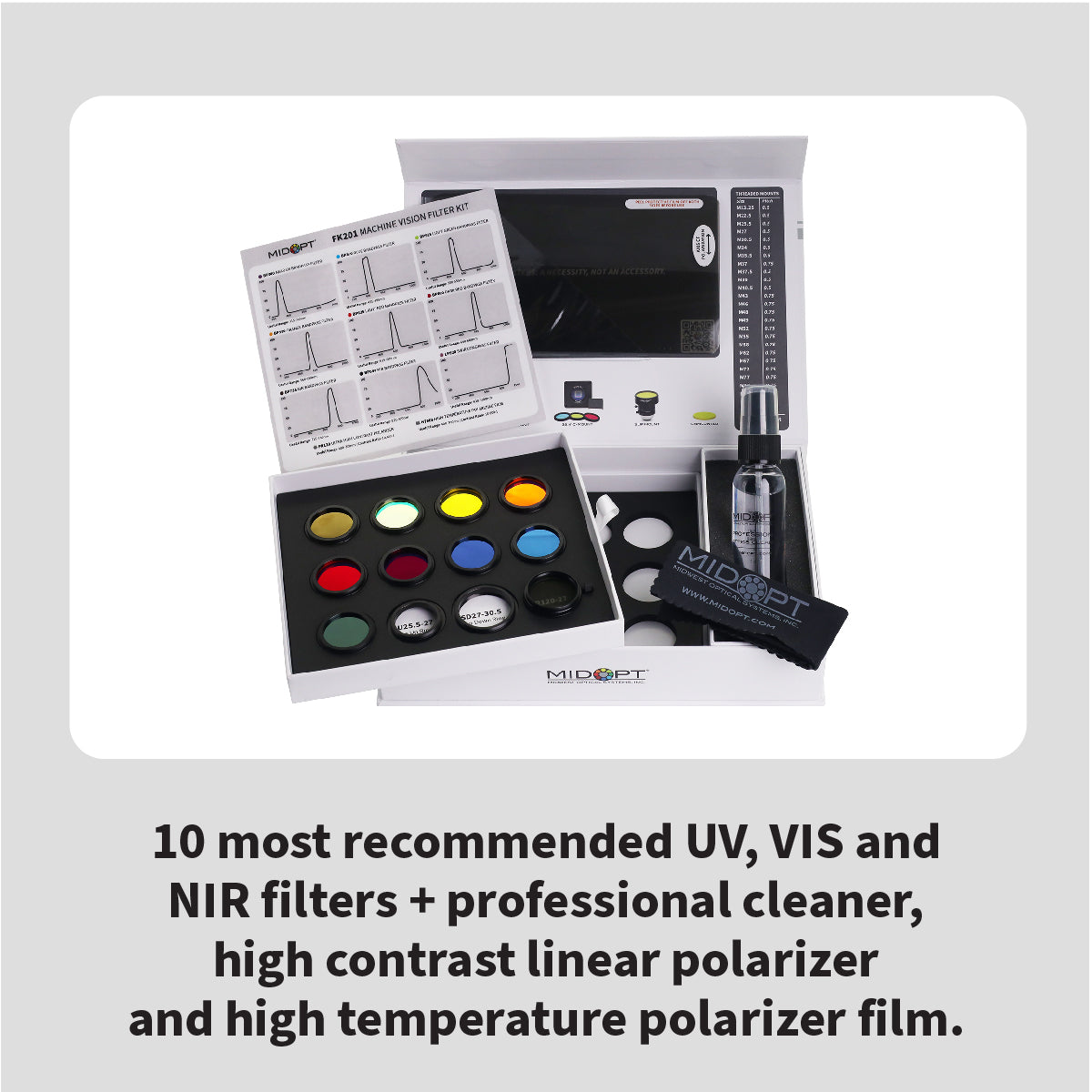
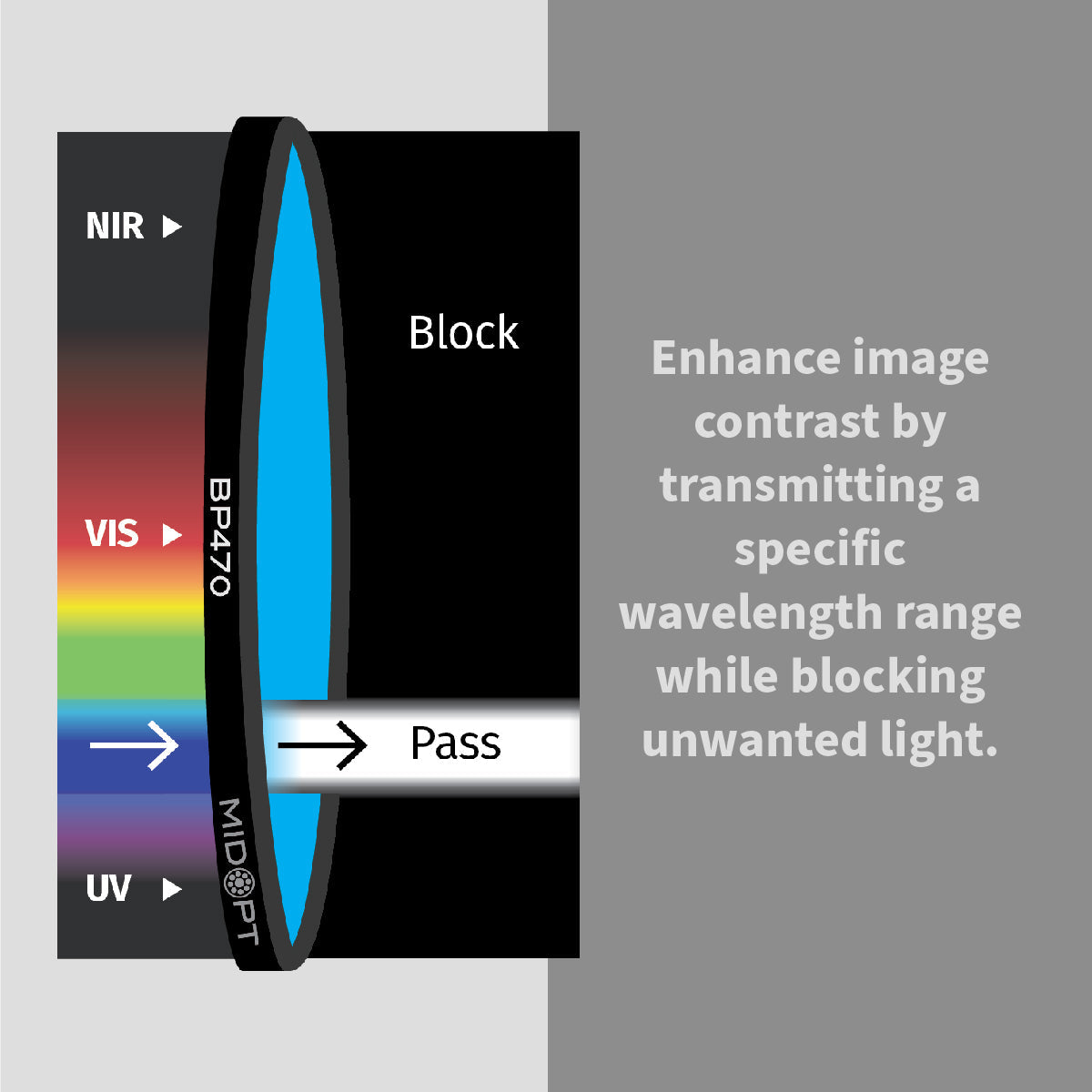
High-quality optical filters play a crucial role in isolating specific wavelengths for accurate data capture. Precision filters ensure that each spectral band is cleanly separated, reducing noise and improving measurement reliability.
At FJW Optical, we understand that filter performance directly impacts imaging accuracy. Whether you’re integrating a custom camera system or enhancing an existing setup, selecting the right optical components is essential for consistent, actionable results.
Real-World Applications
Multispectral imaging is already making a measurable impact across agriculture:
- Crop Scouting: Rapidly identify problem areas across large fields
- Yield Prediction: Analyze plant health trends to forecast production
- Irrigation Management: Detect over- or under-watered zones
- Disease Mapping: Track and contain outbreaks before they spread
Looking Ahead
As agriculture becomes increasingly data-driven, multispectral imaging will continue to play a vital role in improving efficiency and sustainability. Advances in camera technology, paired with powerful analytics software, are enabling smarter decisions from planting through harvest.
For growers, integrators, and OEMs alike, investing in the right imaging system is no longer optional, it’s a competitive advantage.