
 Find-R-Scopes
 Filters
 Lenses
 Cameras
 Lighting


 Accessories




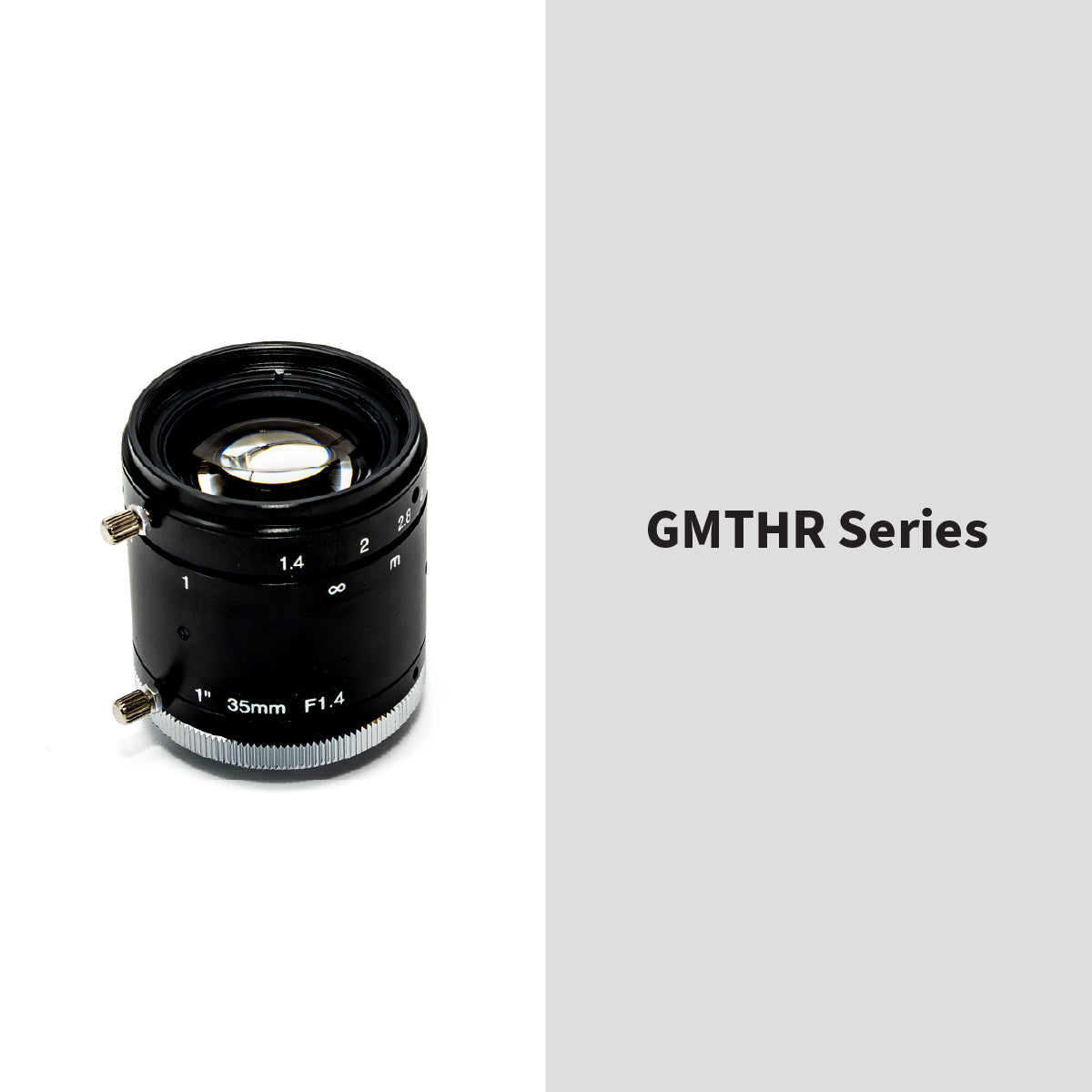
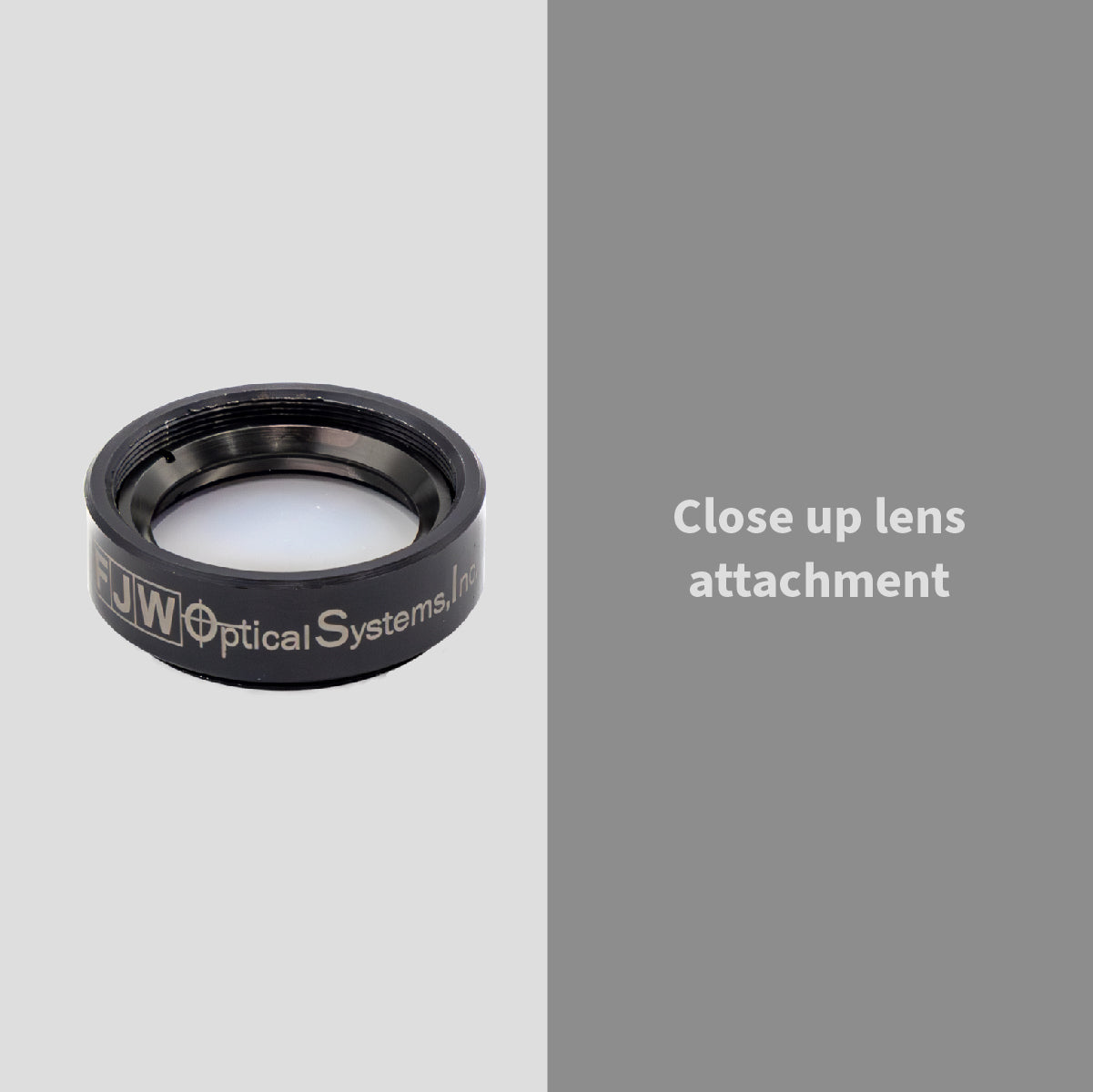


Automotive manufacturing relies on accurate, repeatable assembly processes to ensure that every vehicle component meets strict quality and performance requirements. From verifying fasteners and electrical connectors to checking component positioning and assembly completeness, even minor manufacturing errors can lead to costly rework and production delays.
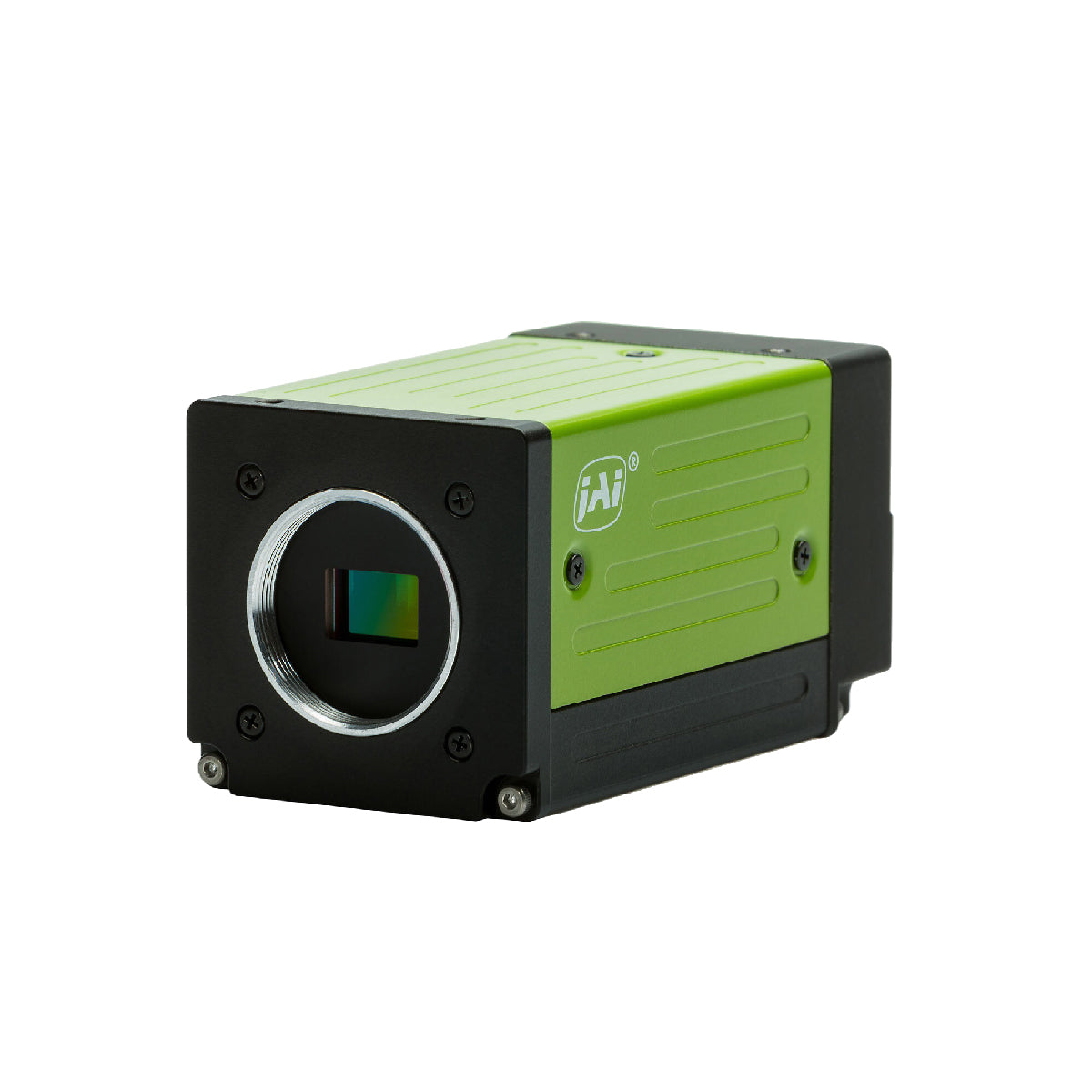
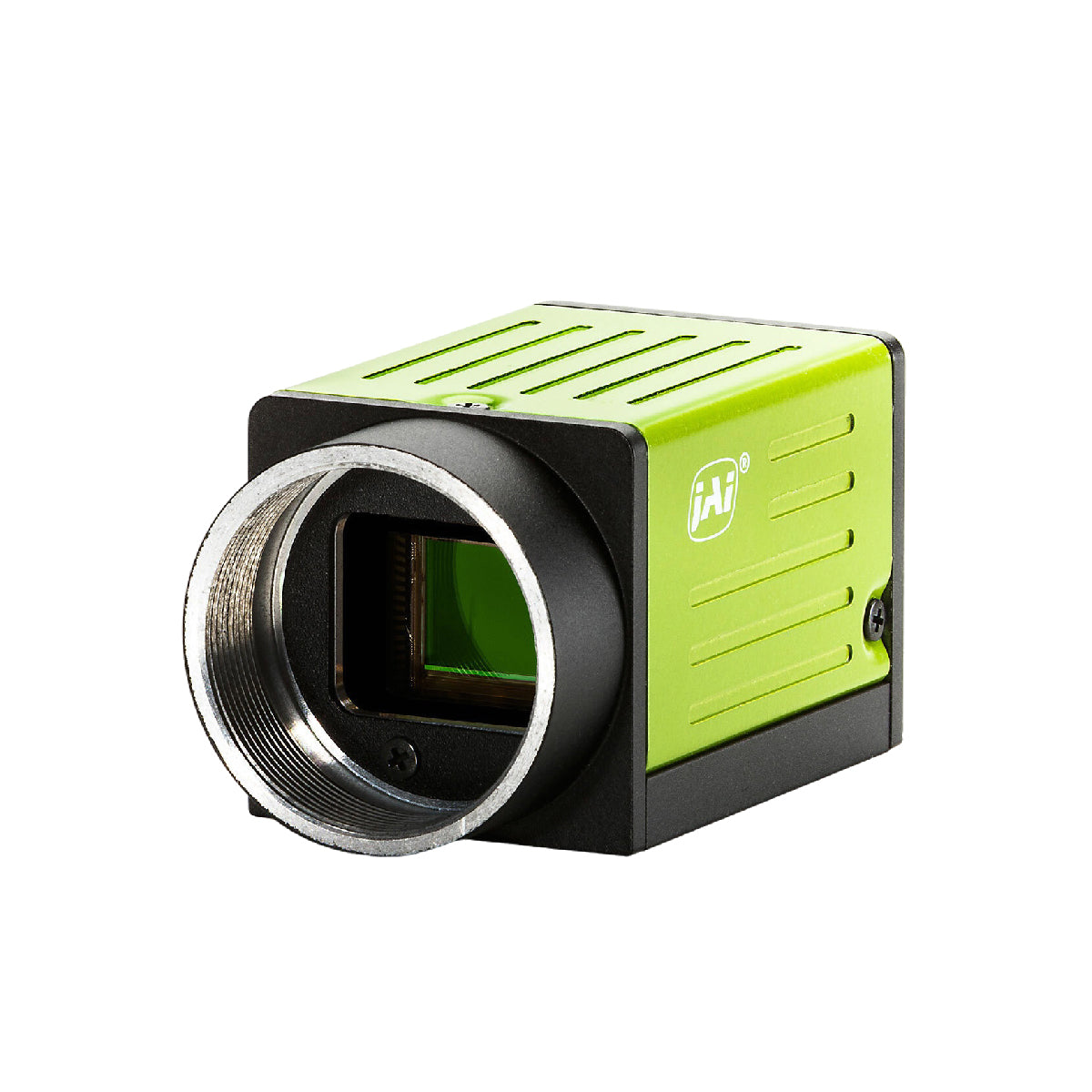
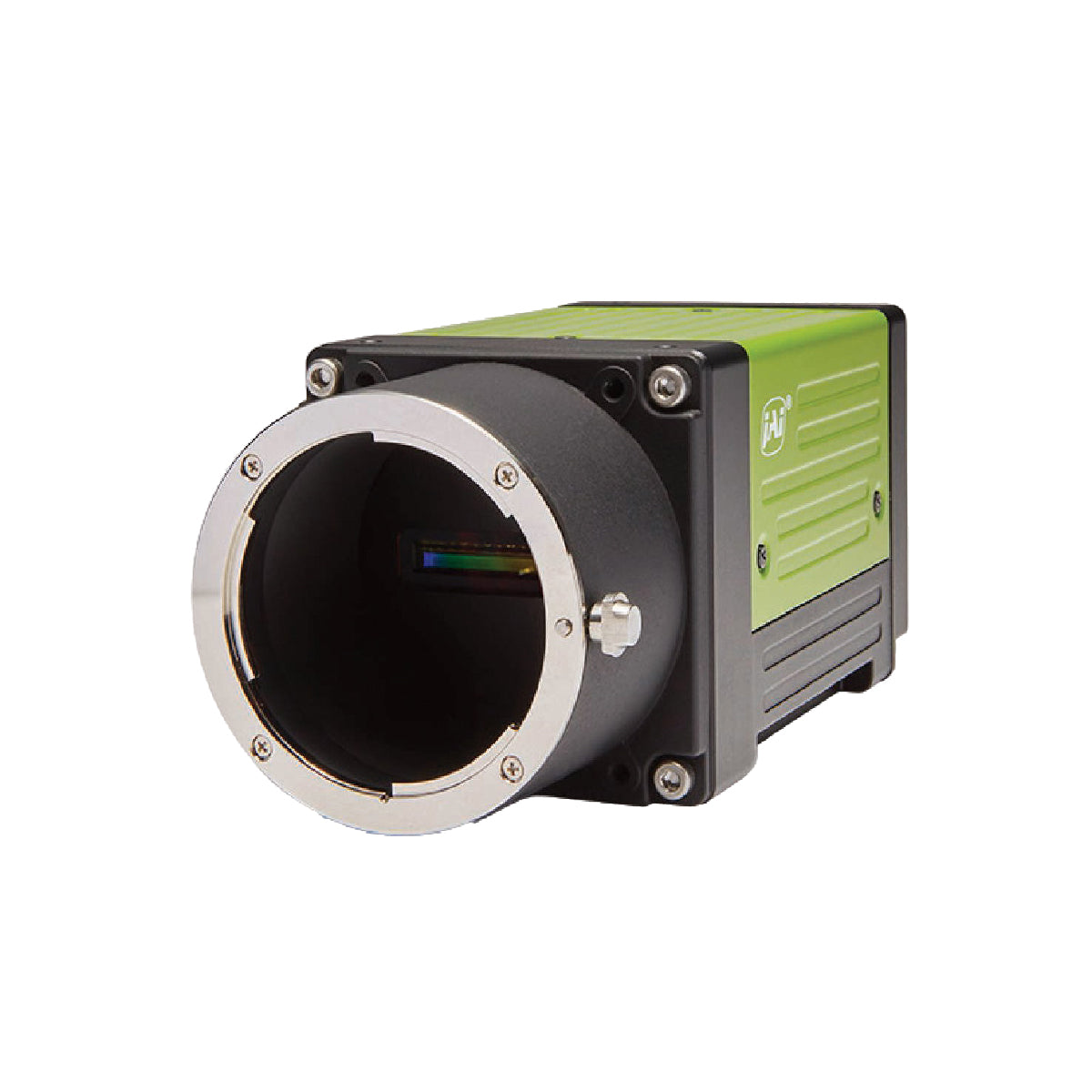
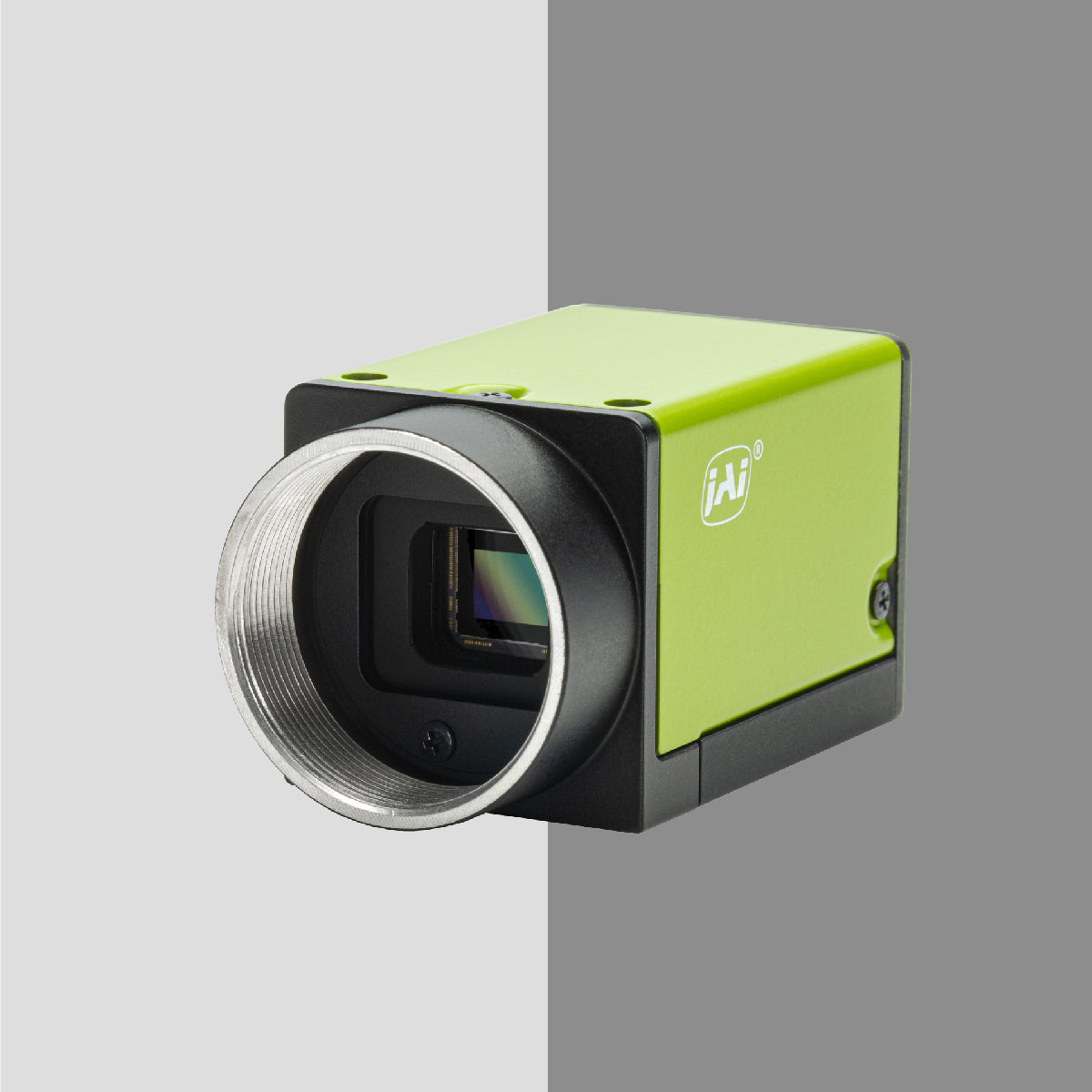
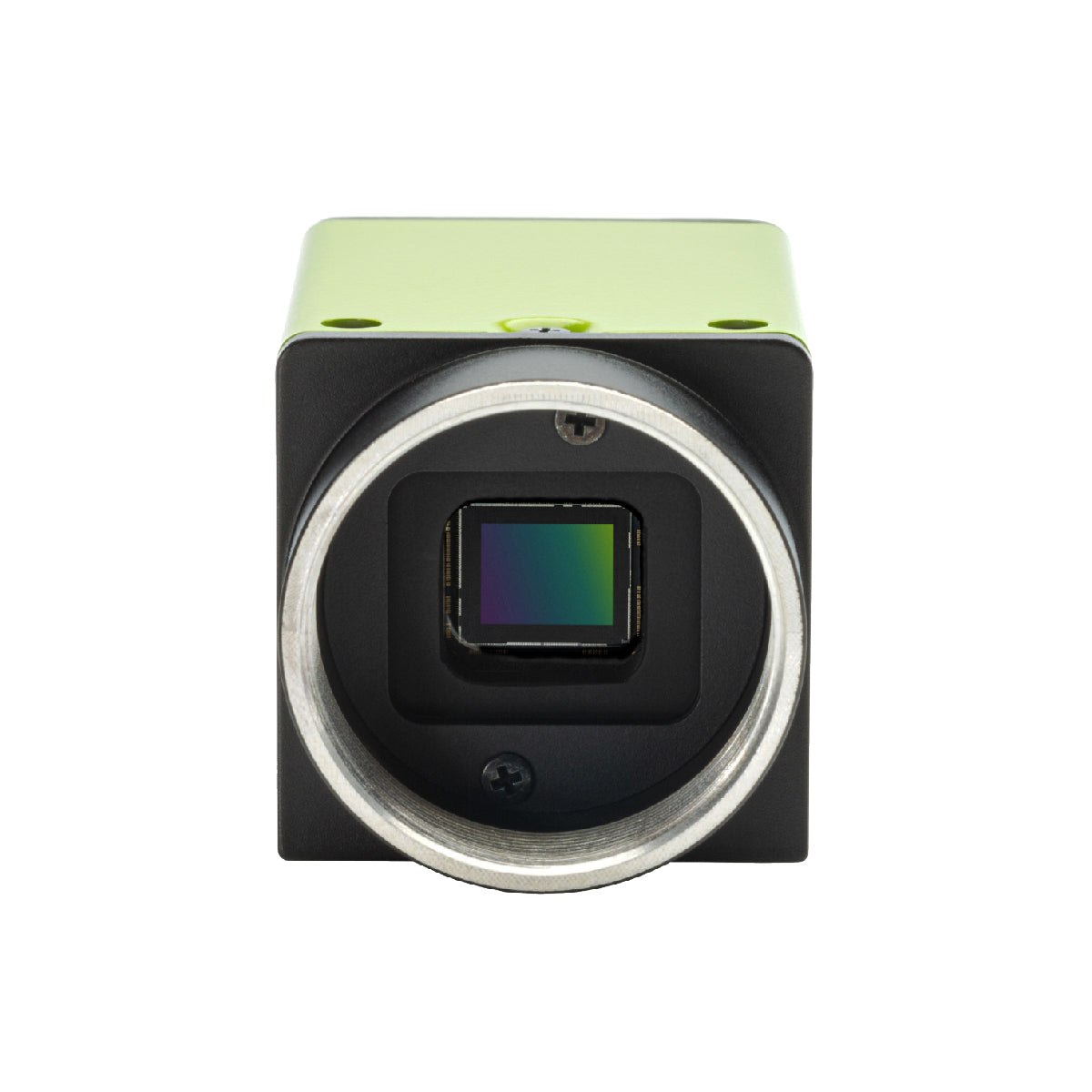
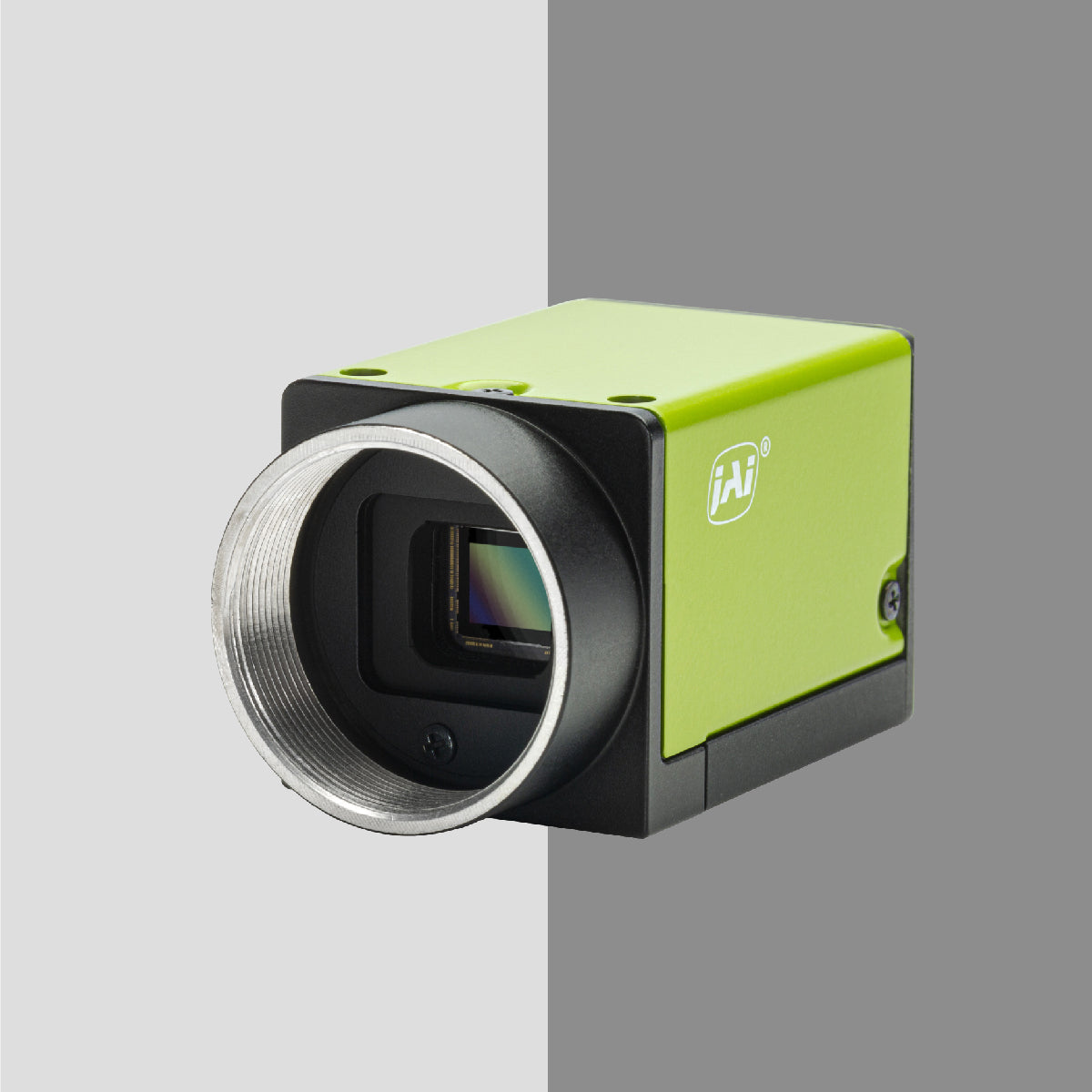
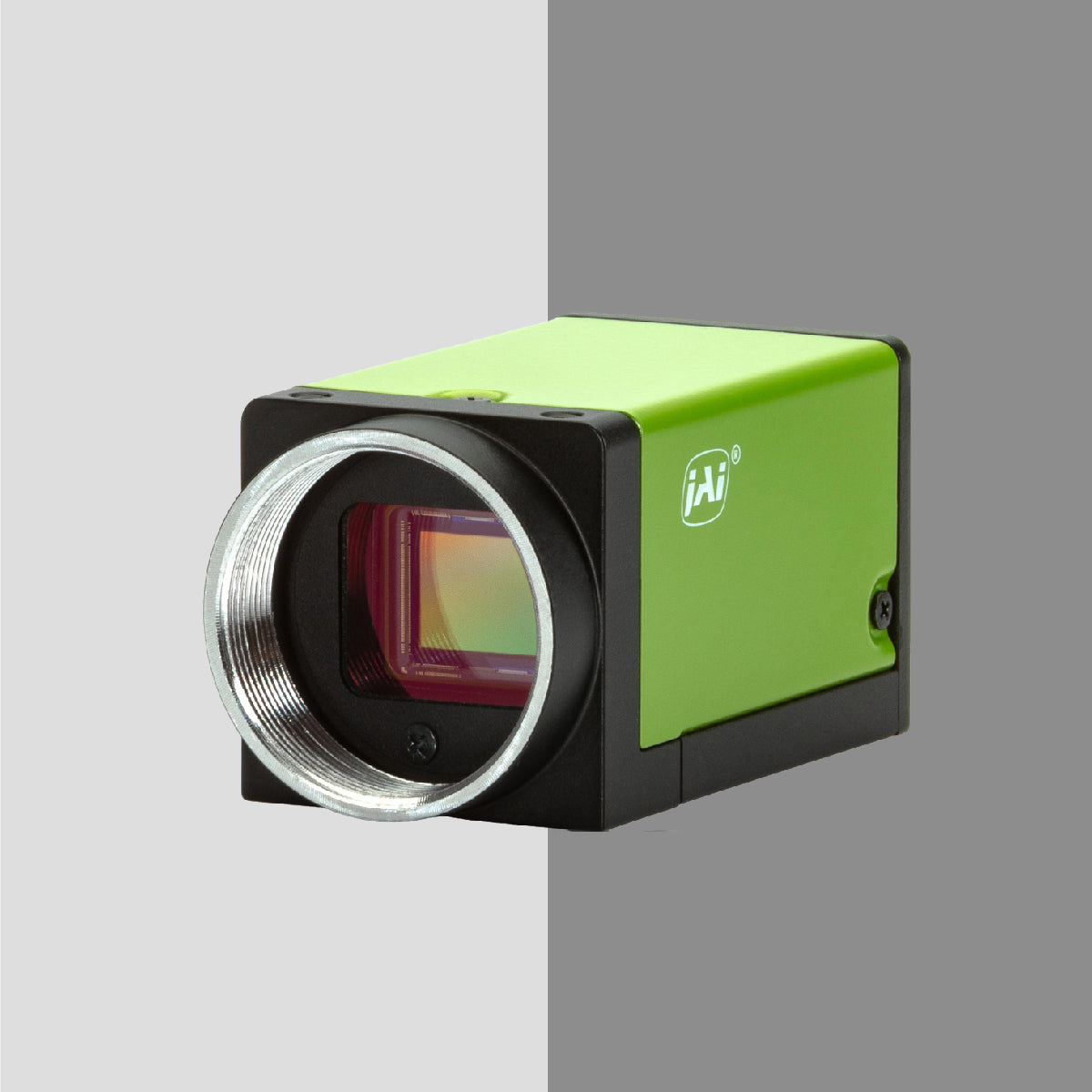
Industrial machine vision cameras provide a powerful solution for automated automotive assembly verification, enabling manufacturers to inspect components, detect missing parts and confirm proper assembly throughout the production process. By integrating high-resolution industrial cameras with machine vision lighting, precision lenses and automated inspection software, automotive manufacturers can improve quality control while maintaining demanding production speeds.
Why Machine Vision Cameras Are Essential for Automotive Assembly
Traditional manual inspection can be time-consuming and subject to human error, particularly on high-volume automotive production lines. Automated machine vision systems provide consistent inspection criteria and can identify assembly errors before components proceed to subsequent manufacturing stages. Industrial cameras support several critical automotive quality control functions:
- Component presence detection: Verify that clips, brackets, seals, and other components are installed.
- Fastener inspection: Confirm the presence, position, and visible condition of bolts and screws.
- Connector verification: Detect improperly seated electrical connectors and missing connections.
- Assembly orientation: Identify incorrectly positioned or reversed components.
- Dimensional inspection: Measure critical features and verify component alignment.
- Traceability: Capture inspection images for manufacturing records and quality analysis.
These capabilities make machine vision cameras essential tools for automotive manufacturing automation and assembly line quality assurance.
High-Resolution Industrial Cameras for Detailed Inspection
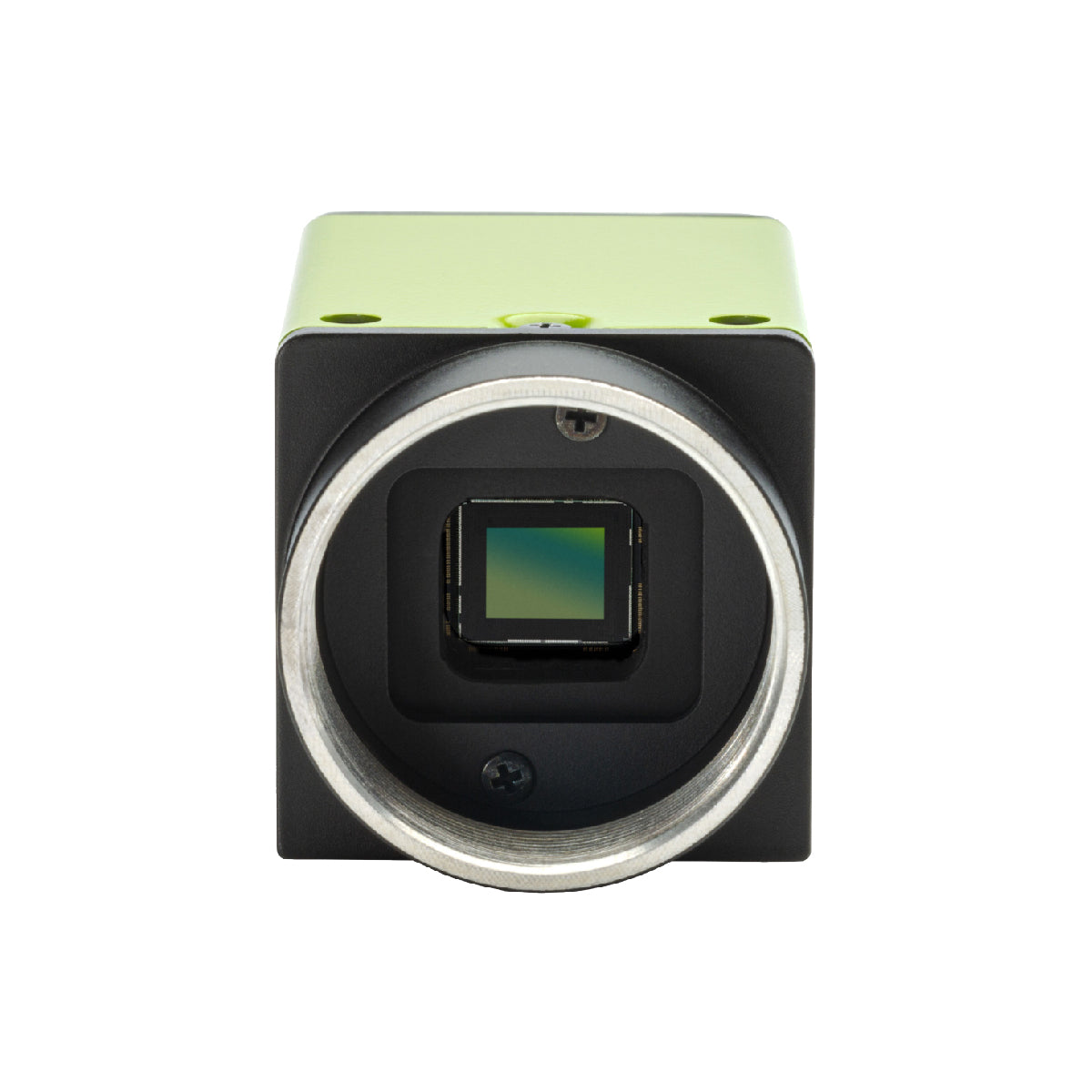
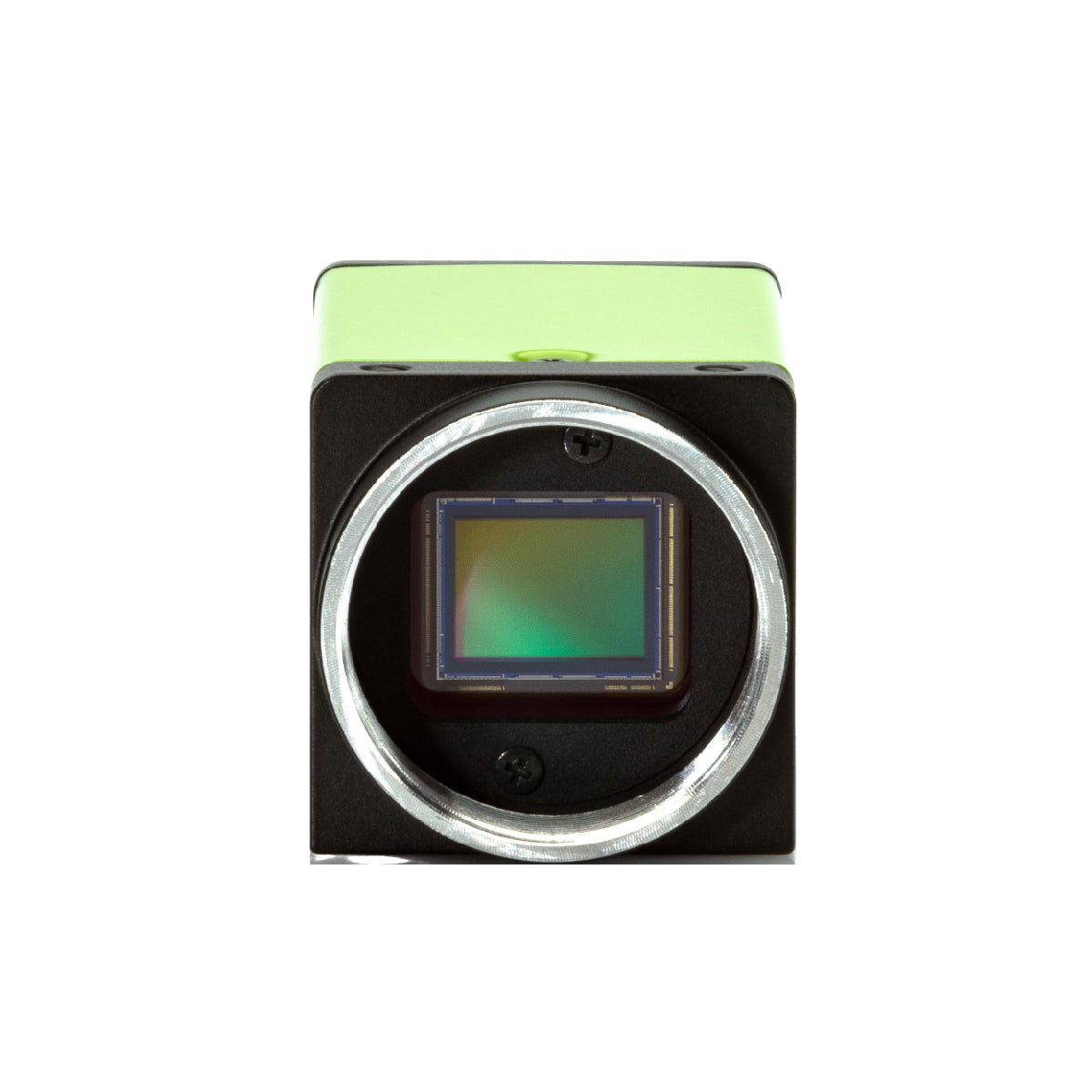
Camera resolution plays an important role in determining the level of detail an automotive inspection system can capture. High-resolution machine vision cameras allow manufacturers to examine small features across larger fields of view, making them useful for inspecting complex automotive assemblies. For example, a high-resolution area-scan camera may be used to verify multiple fasteners or electrical connectors within a single image.
When selecting an industrial camera, manufacturers should consider the smallest defect or feature that must be detected, the required field of view and the optical resolution of the lens. Higher megapixel counts can improve inspection detail, but the camera must be matched with suitable optics, illumination and processing capabilities.
Global Shutter Cameras for High-Speed Automotive Production
Automotive assembly lines frequently involve moving conveyors, robotic arms, and rapidly positioned components. Global shutter industrial cameras capture all pixels during the same exposure interval, helping prevent the geometric distortions associated with rolling shutter sensors when imaging moving objects. This makes global shutter technology particularly valuable for:
- High-speed conveyor inspection
- Robotic pick-and-place verification
- Moving component identification
- Automated fastener inspection
- Production line positioning and alignment
When combined with synchronized strobe lighting and appropriate exposure settings, global shutter cameras can help minimize motion blur and deliver sharp images for high-speed automotive inspection.
Color vs. Monochrome Cameras for Assembly Verification
Choosing between color and monochrome industrial cameras depends on the inspection requirements. Monochrome machine vision cameras are often preferred for applications requiring high sensitivity, fine detail, and strong grayscale contrast. They are well suited for dimensional measurement, edge detection, and fastener presence verification.
Color industrial cameras are useful when distinguishing components based on color, identifying wire configurations, checking labels, or verifying color-coded automotive assemblies. For applications requiring accurate color differentiation, a color camera paired with controlled white lighting can improve inspection consistency.
Industrial Camera Interfaces for Automotive Automation
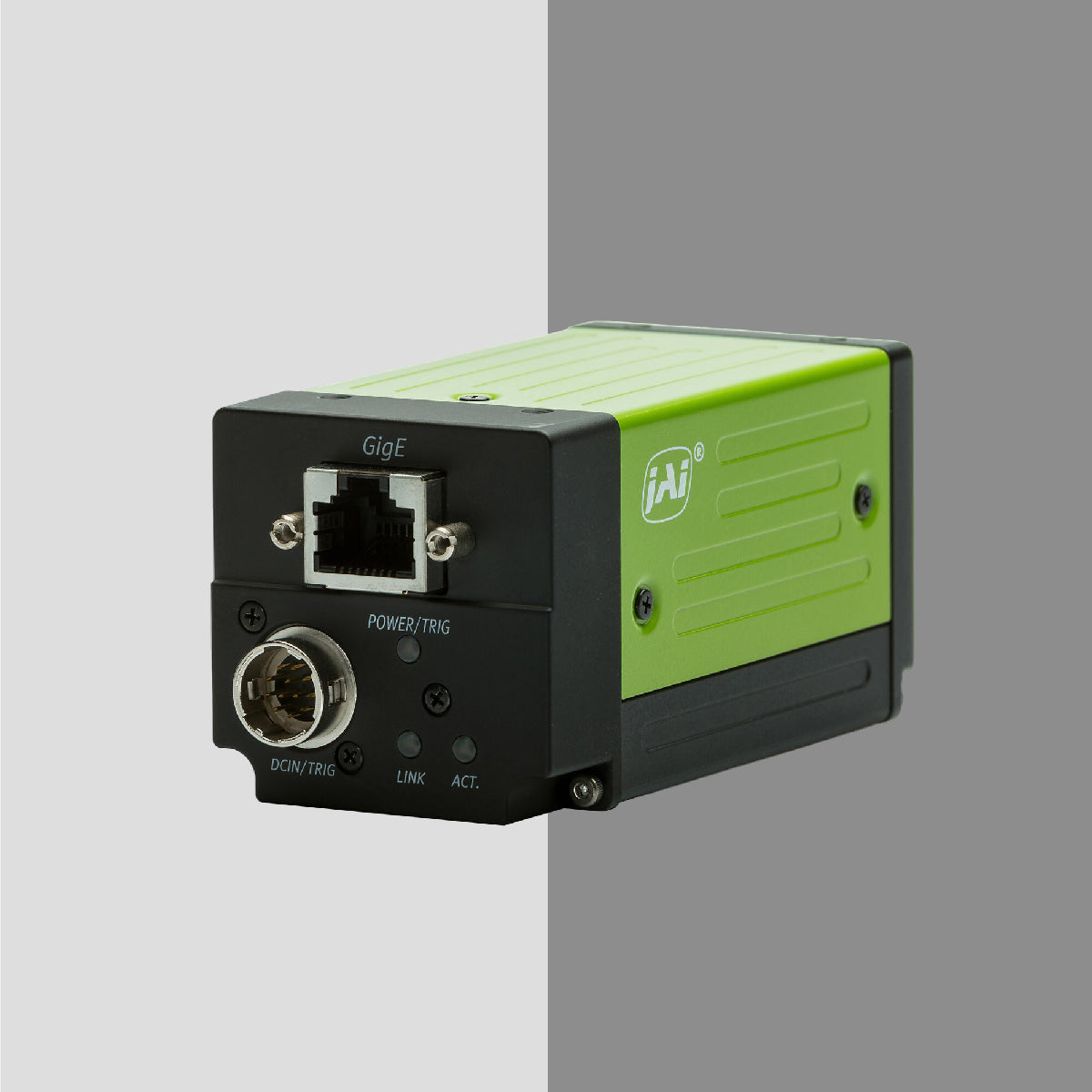
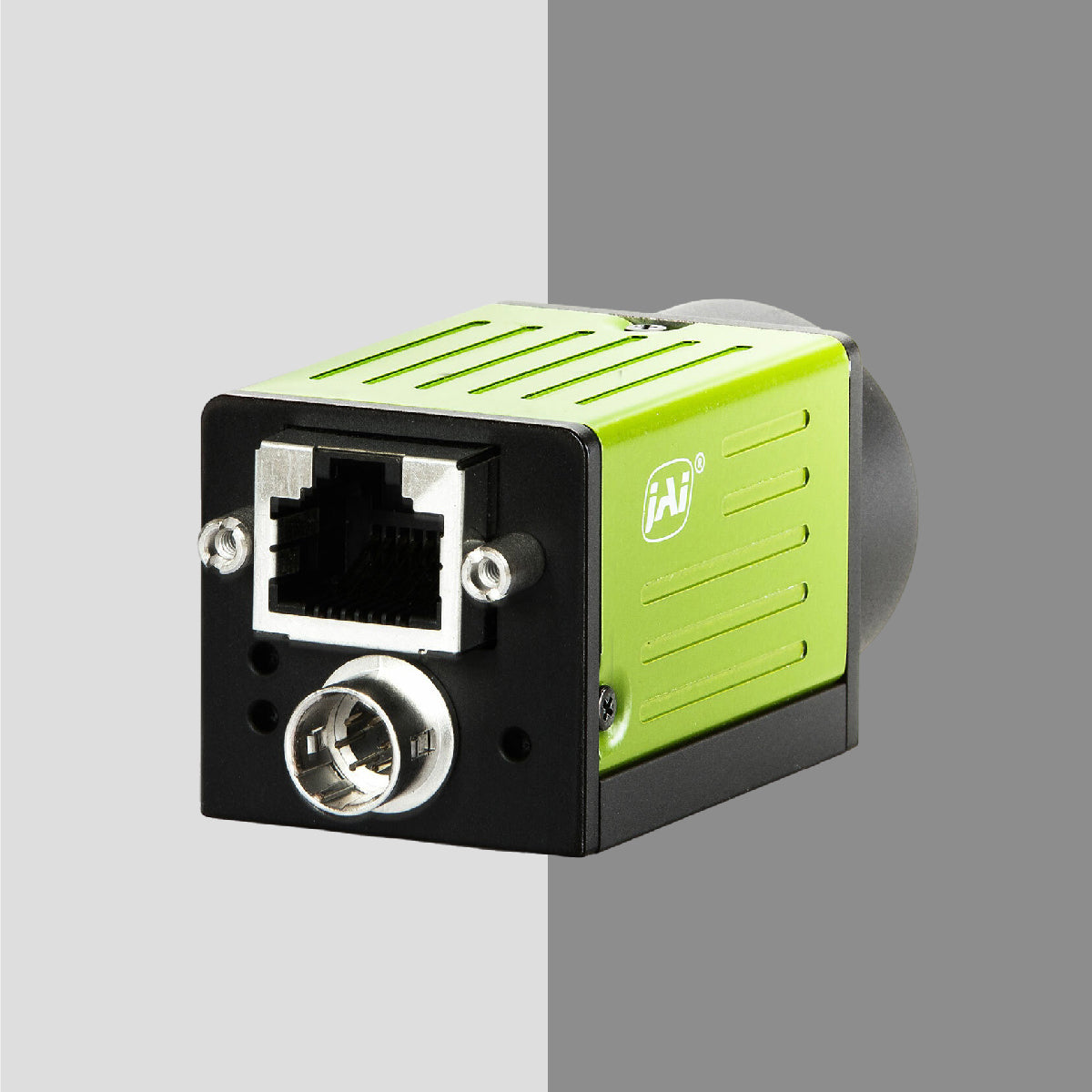
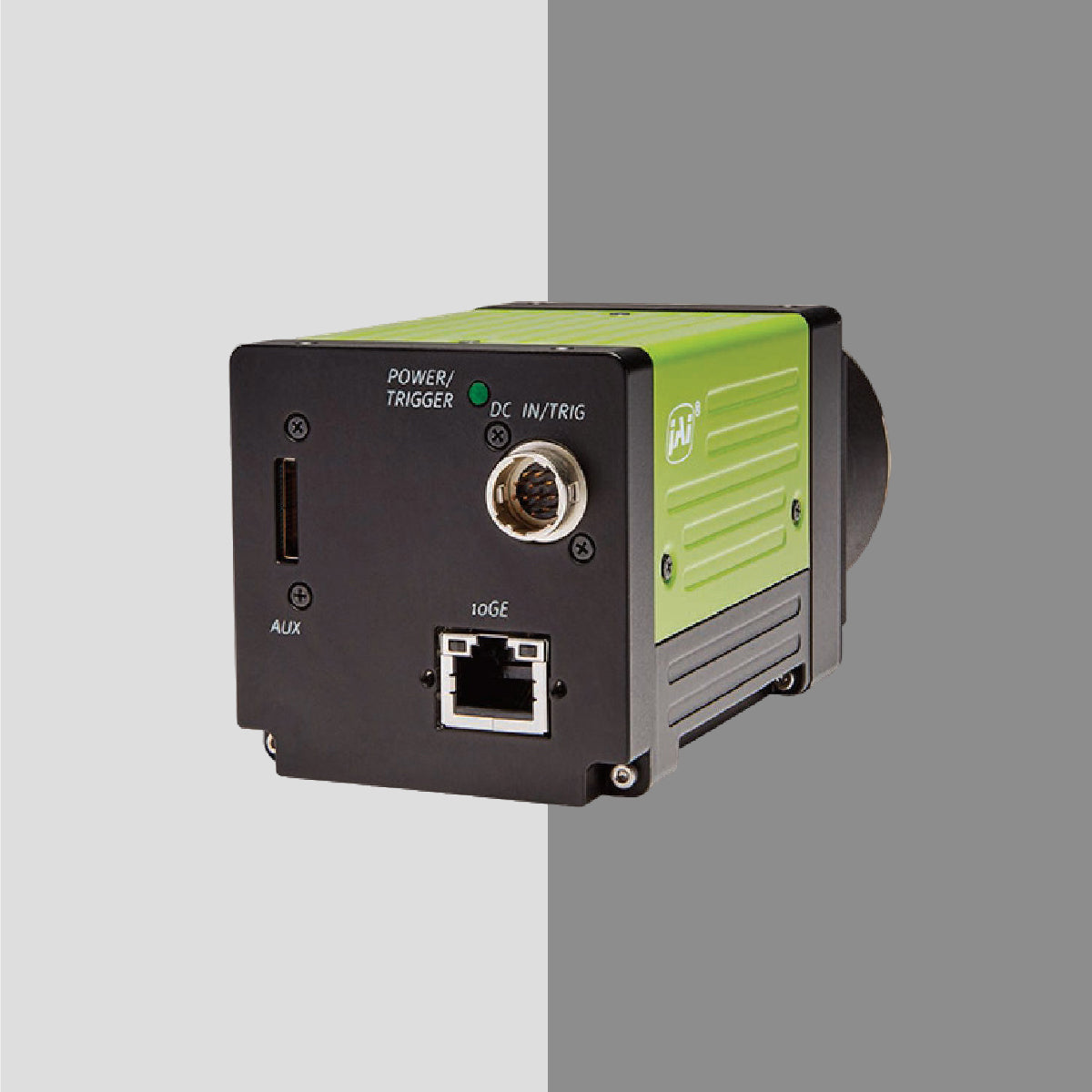
Reliable data transmission is another important consideration when integrating industrial cameras into automotive manufacturing systems. GigE Vision cameras offer Ethernet-based connectivity, making them suitable for installations requiring flexible cable routing and integration with industrial networks.
Higher-bandwidth interfaces, including 5GigE and 10GigE, can support demanding applications involving high-resolution image capture and elevated data rates. Camera selection should also account for triggering capabilities, exposure control, frame rate, software compatibility, and synchronization with other automation equipment.
Multi-Camera Systems for Complete Assembly Inspection
Complex automotive components often require inspection from multiple angles. A multi-camera machine vision system can simultaneously inspect different sides of an assembly, improving coverage and reducing the need to reposition components. For example, an automotive assembly verification station may use one camera to inspect fastener placement, another to verify electrical connections, and a third to check component alignment. This approach is particularly useful for inspecting automotive electronics, engine assemblies, transmission components, and interior assemblies.
Selecting the Right Industrial Camera for Automotive Inspection
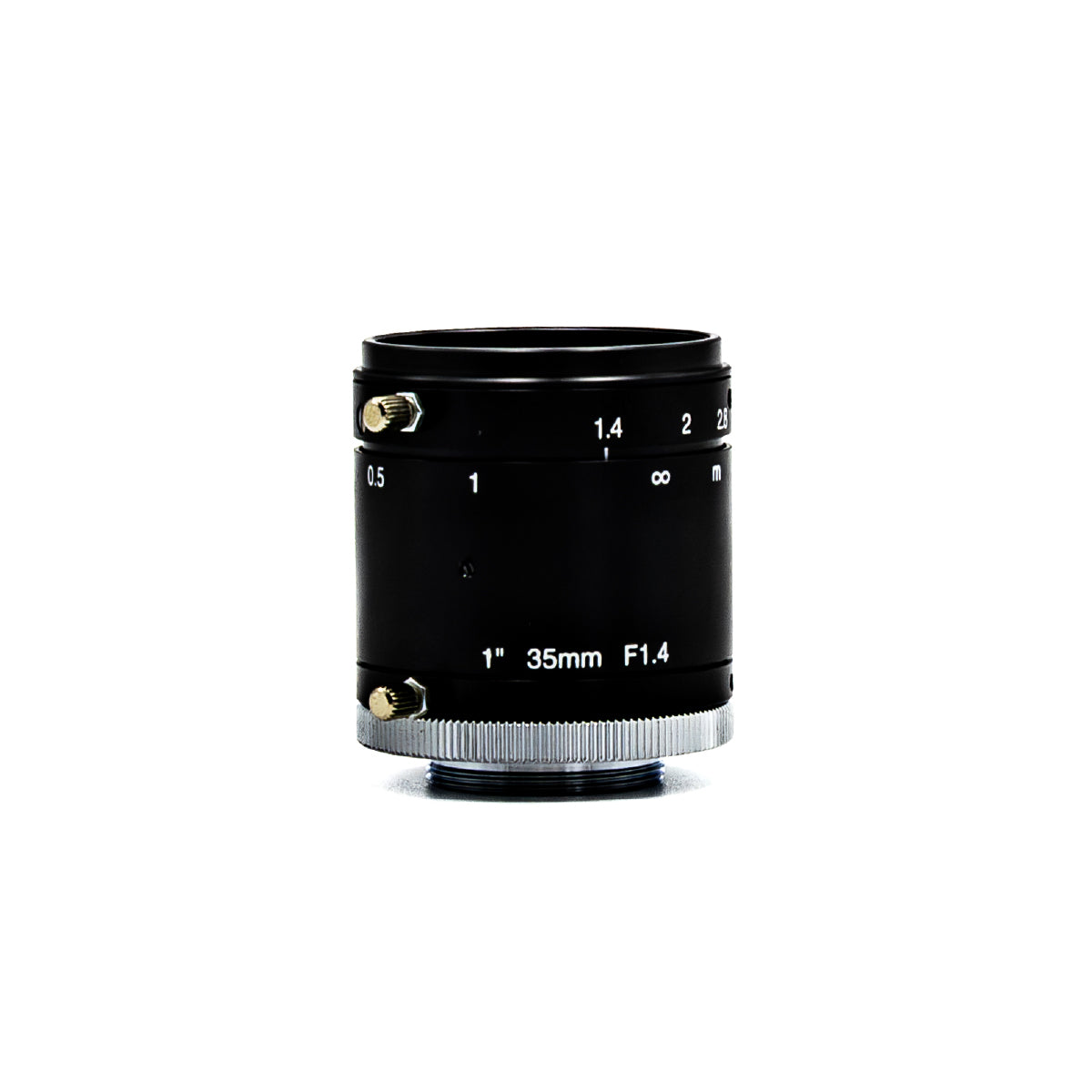
When designing an automotive machine vision system, several camera specifications directly influence performance. Key considerations include sensor resolution, pixel size, frame rate, shutter type, dynamic range, interface bandwidth, and compatibility with industrial lenses. Environmental factors such as vibration, temperature, dust and available installation space should also be evaluated. The best industrial camera is not necessarily the one with the highest resolution. It is the camera that provides the appropriate image quality, speed, and reliability for the inspection task.
Improve Automotive Assembly Verification with FJW Optical
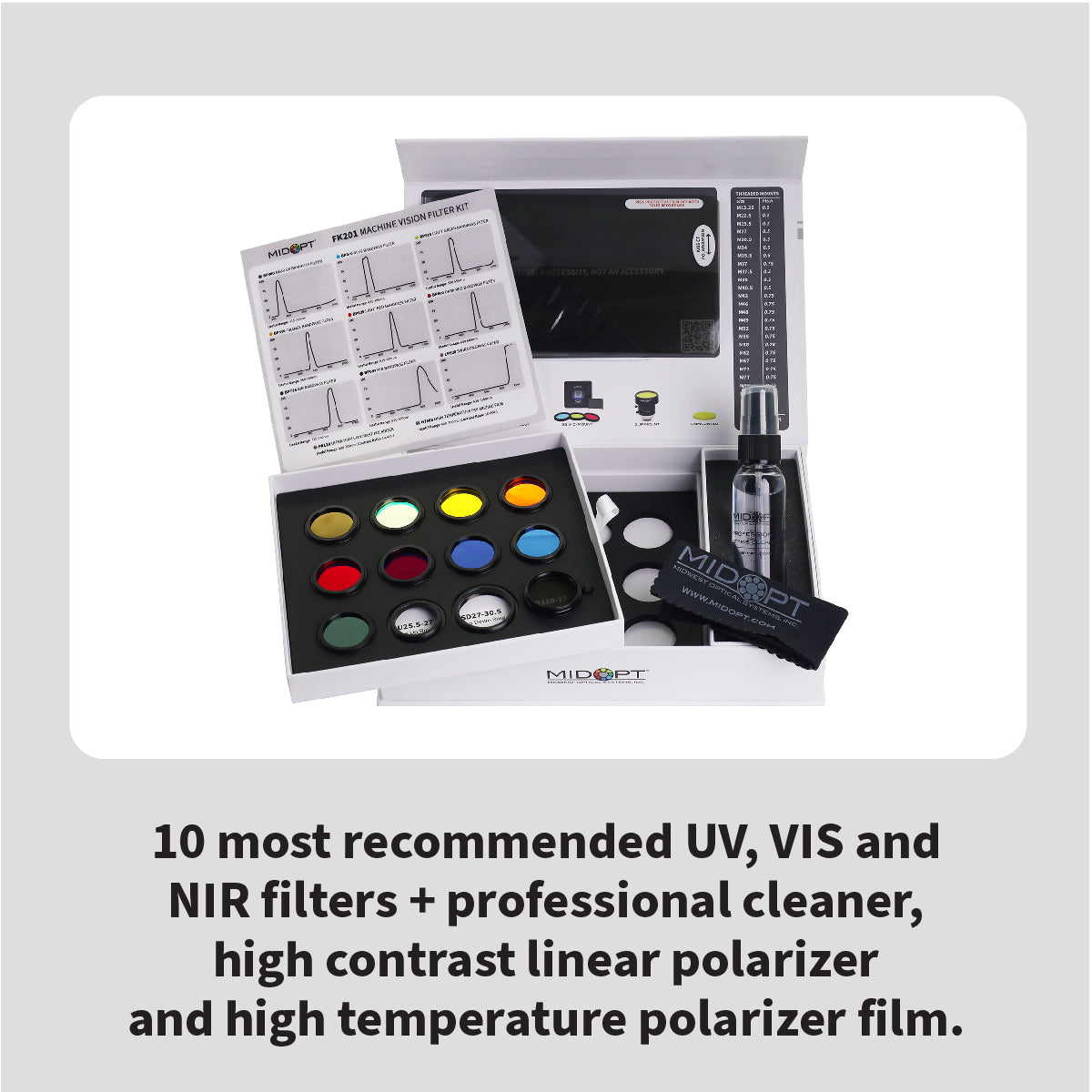
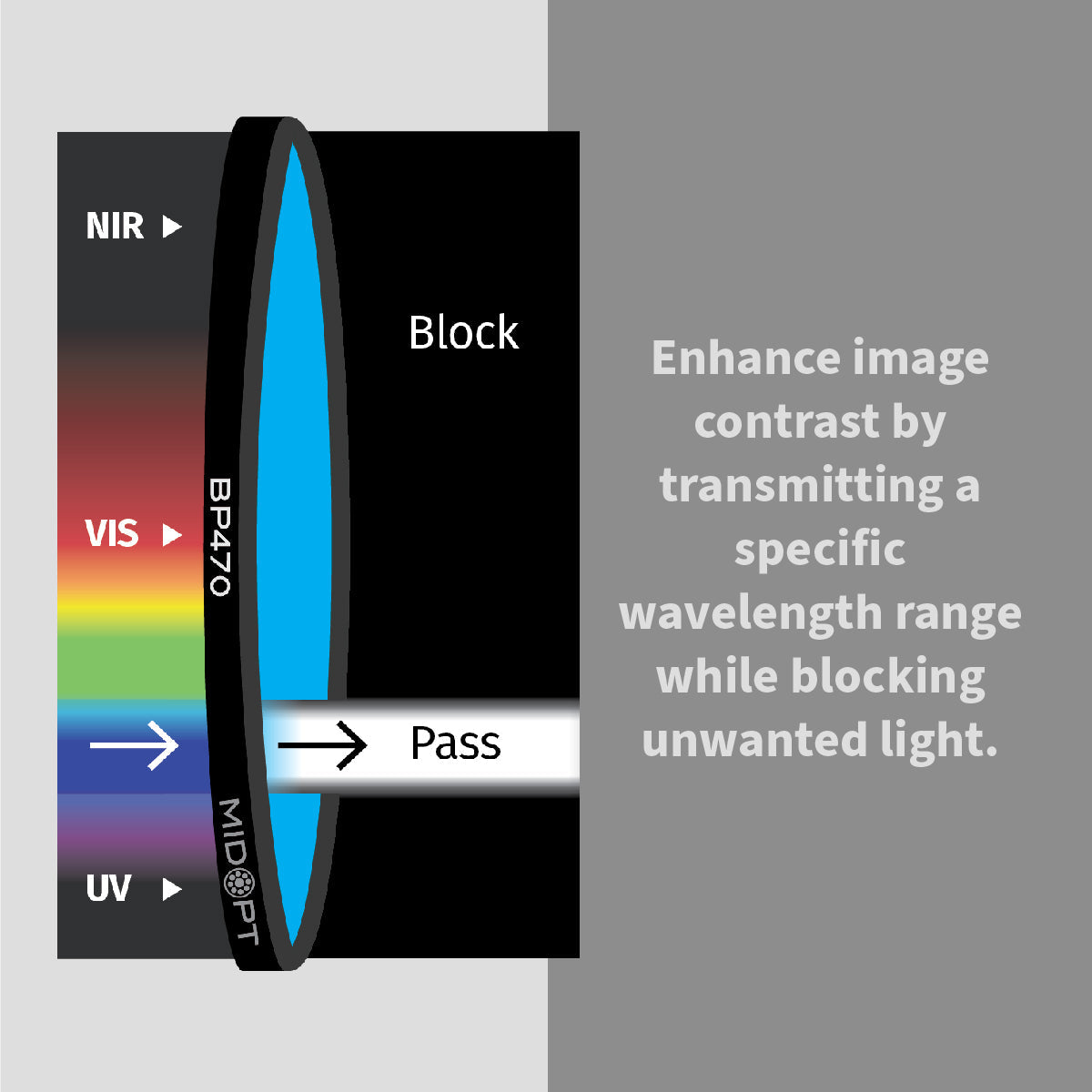
Industrial cameras are a critical component of modern automotive quality control systems, helping manufacturers improve inspection consistency, detect assembly errors and support automated production. FJW Optical offers industrial machine vision cameras, precision lenses, optical filters, and lighting solutions for automotive assembly verification and industrial automation. Explore industrial imaging products from manufacturers such as JAI and other leading machine vision brands at FJWOptical.com.