
 Find-R-Scopes
 Filters
 Lenses
 Cameras
 Lighting


 Accessories












Choosing the right lighting is one of the most critical steps in building a successful machine vision system. Illumination affects everything from contrast and resolution to inspection speed and system reliability. Selecting the wrong light unit can result in poor image quality, inconsistent results or even complete inspection failure. Here are key items to check when evaluating a light source:
1. Lighting Method (Illumination Geometry)
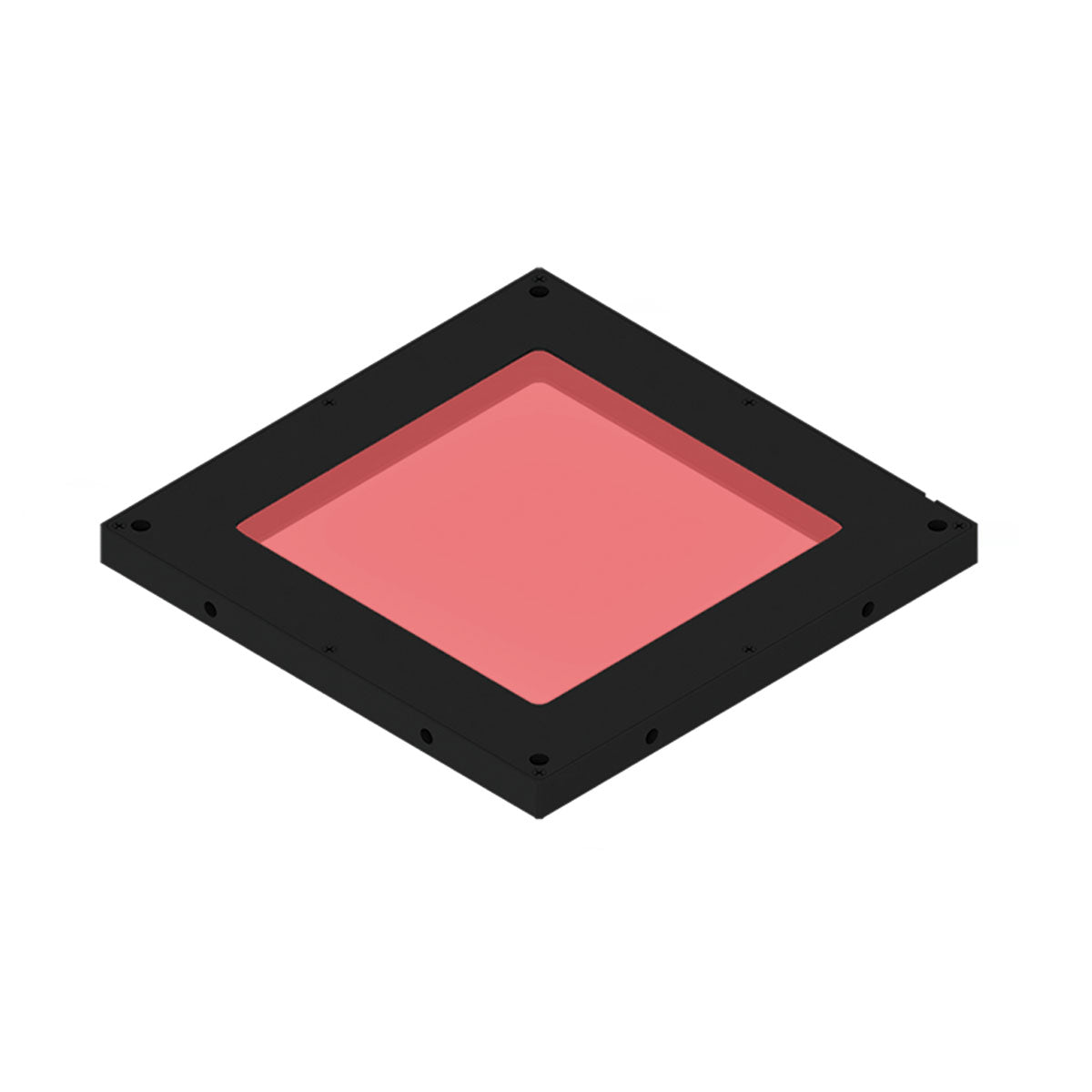
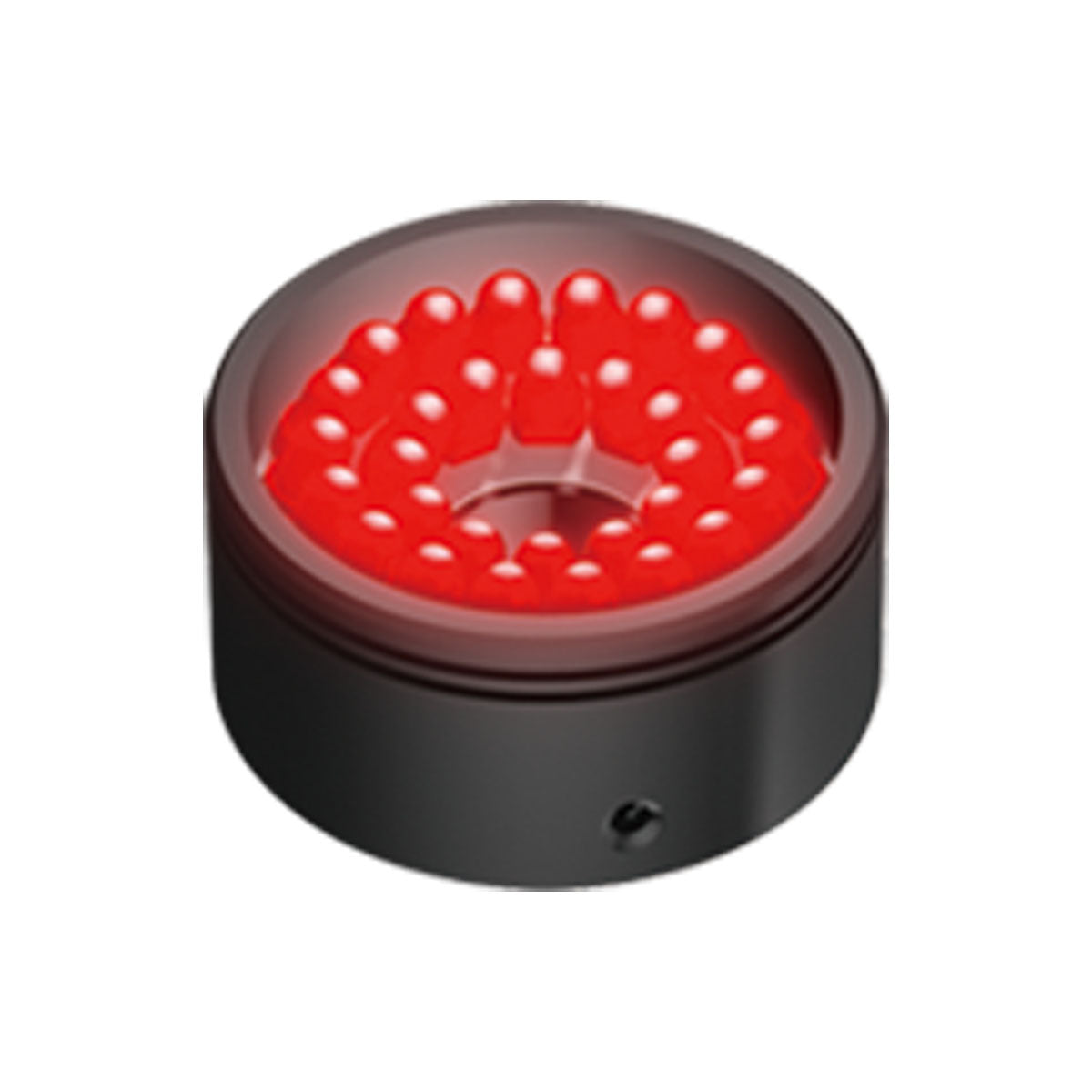
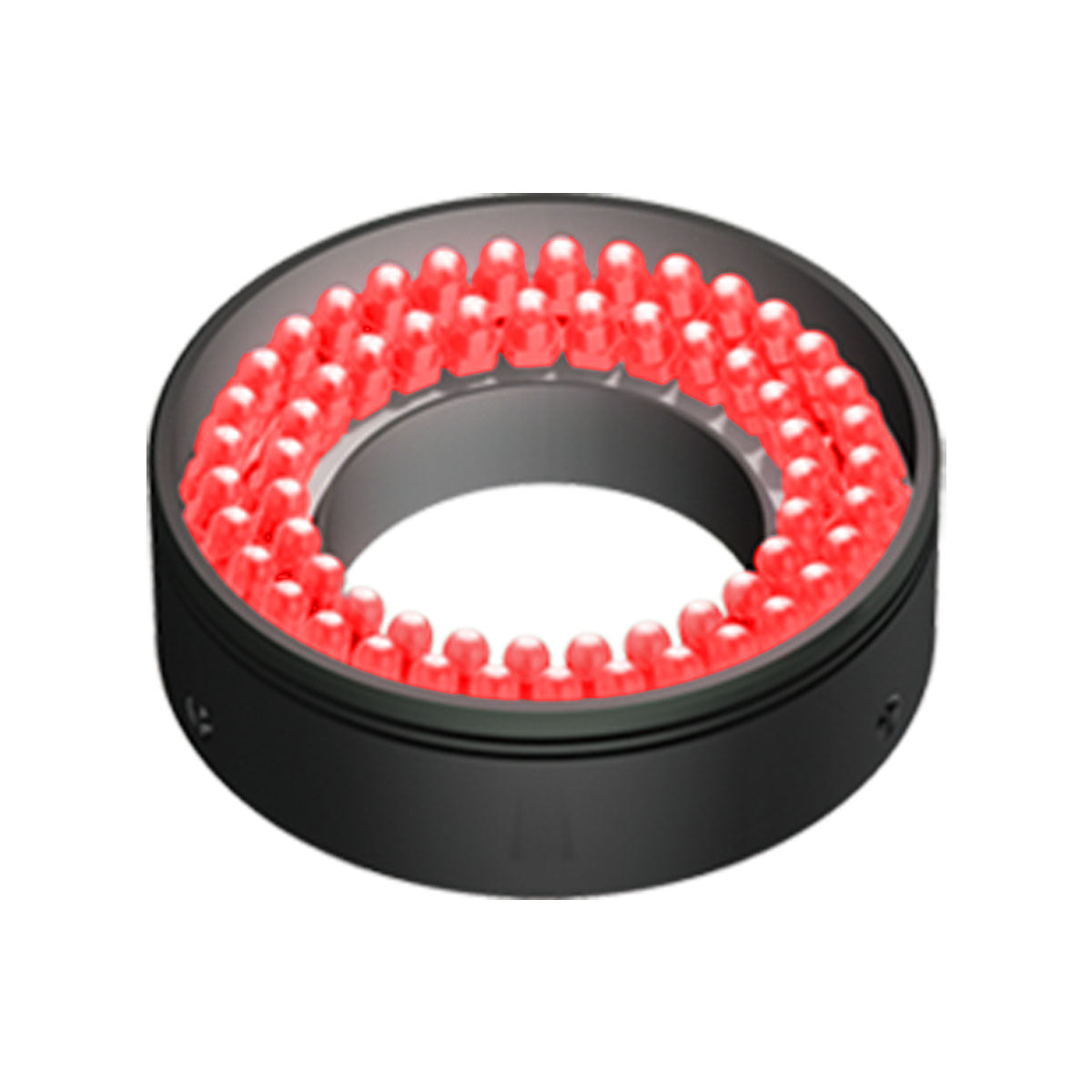
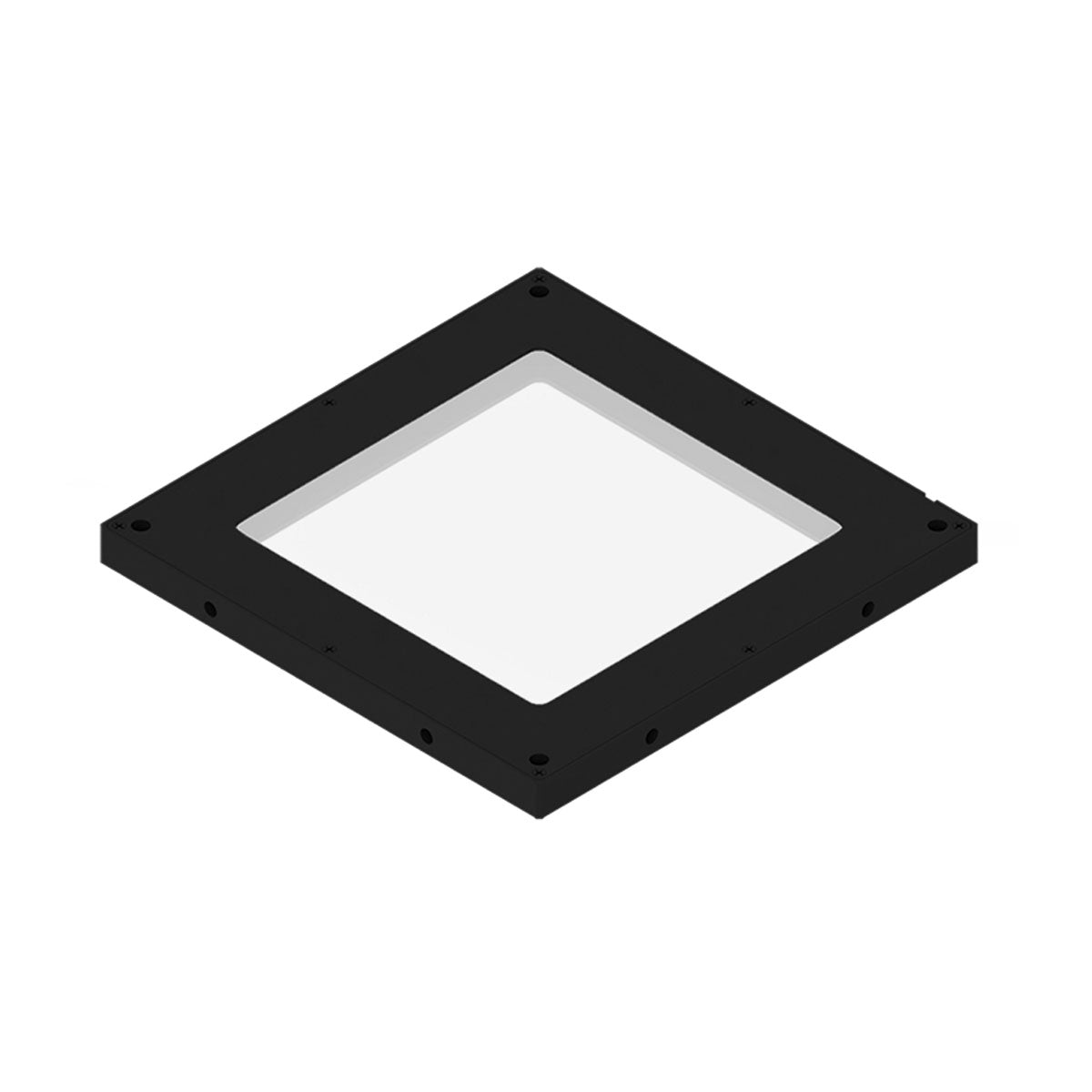
Different inspection tasks require different lighting angles. Backlighting is ideal for detecting silhouettes or measuring dimensions. Coaxial lighting works well for flat, reflective surfaces. Low-angle ring lights highlight edges and surface defects. Always consider your part’s shape, surface finish and inspection goals.
2. Wavelength (Color of Light)
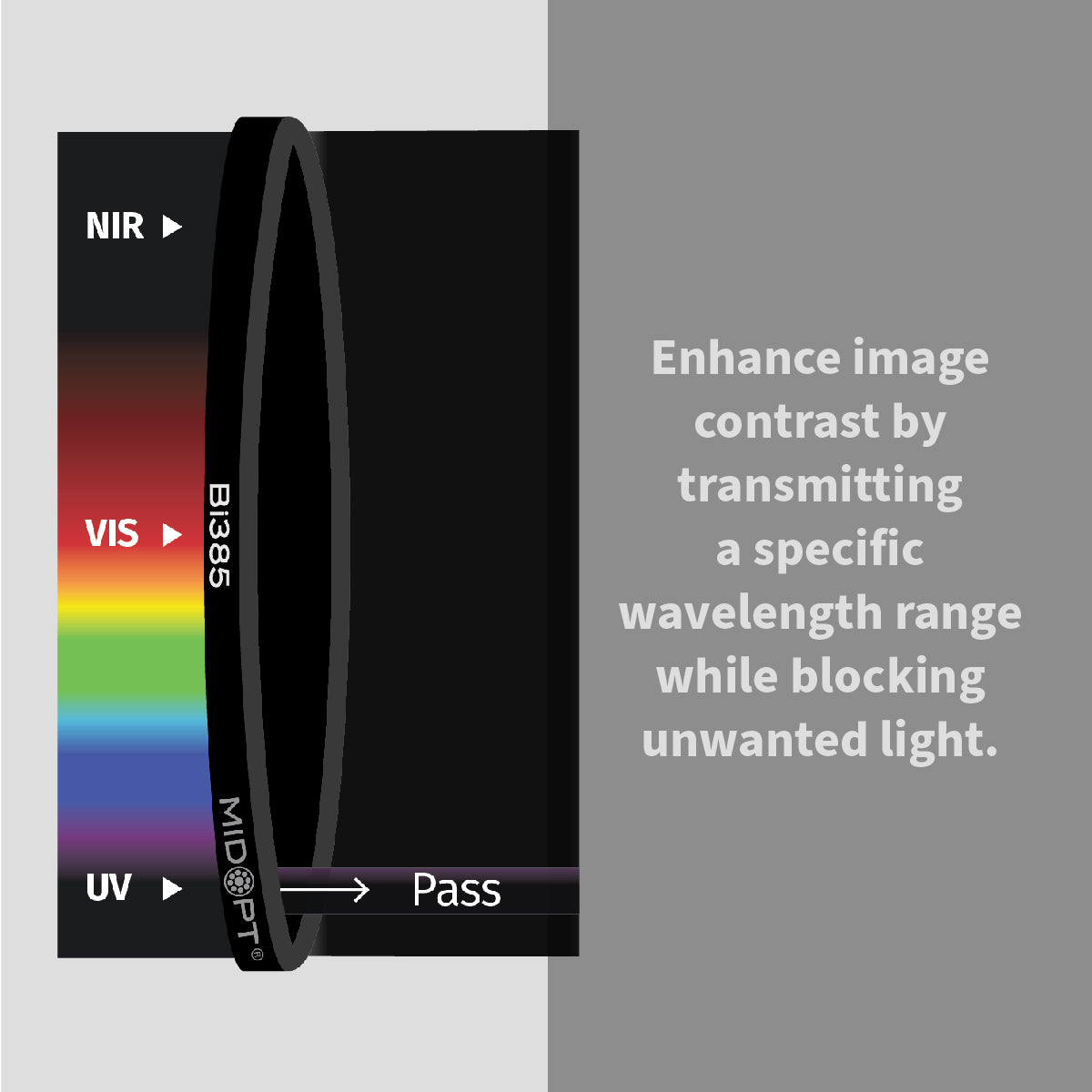
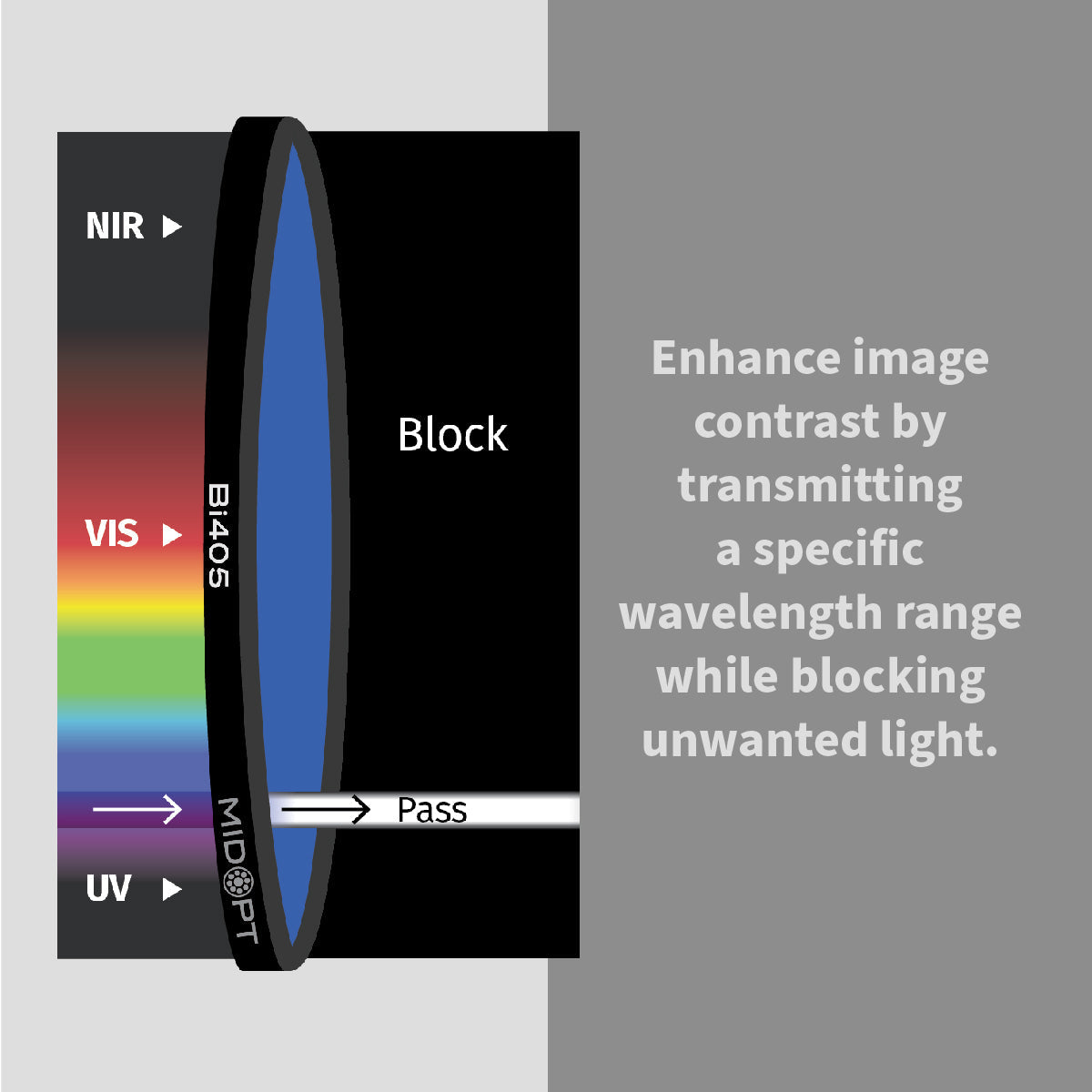
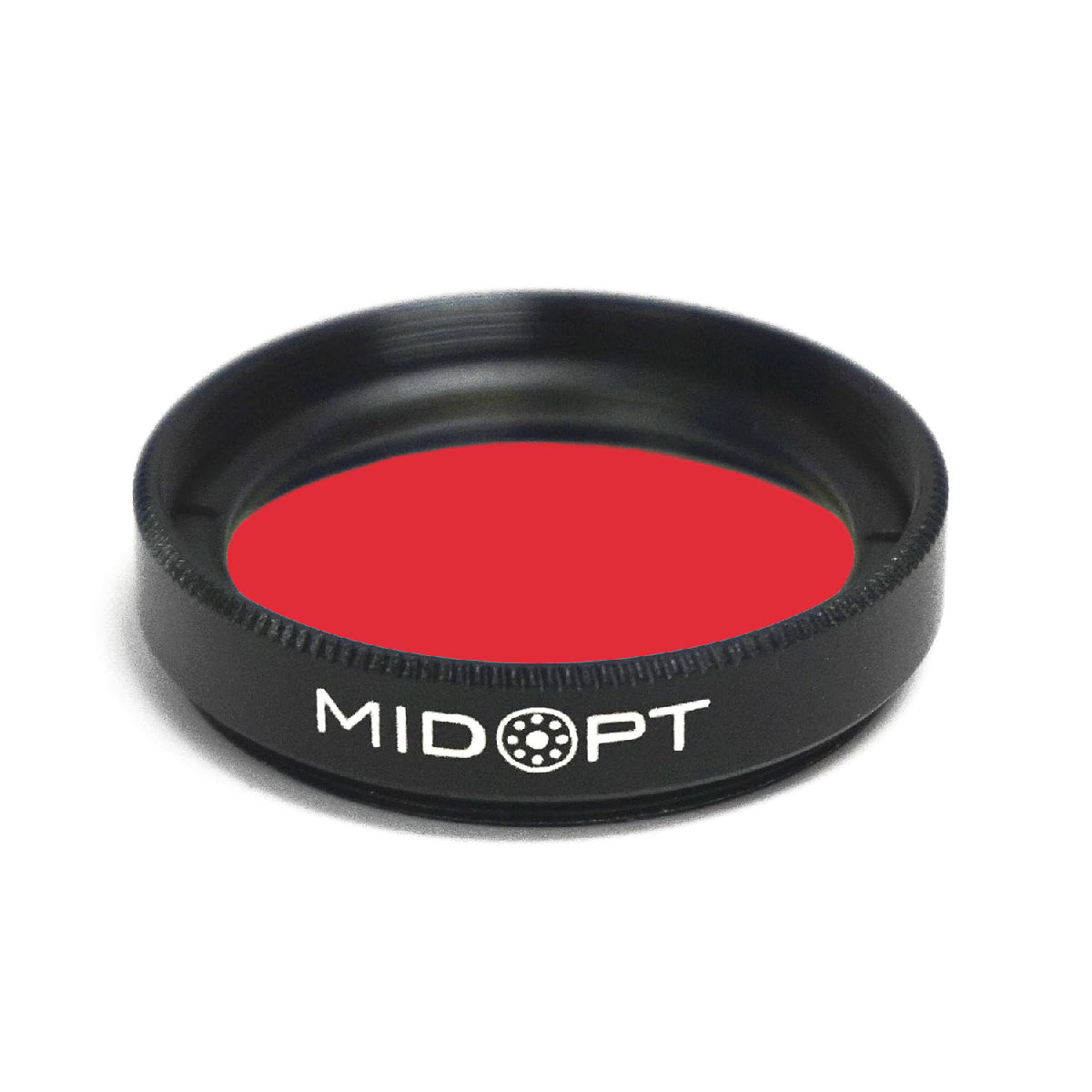
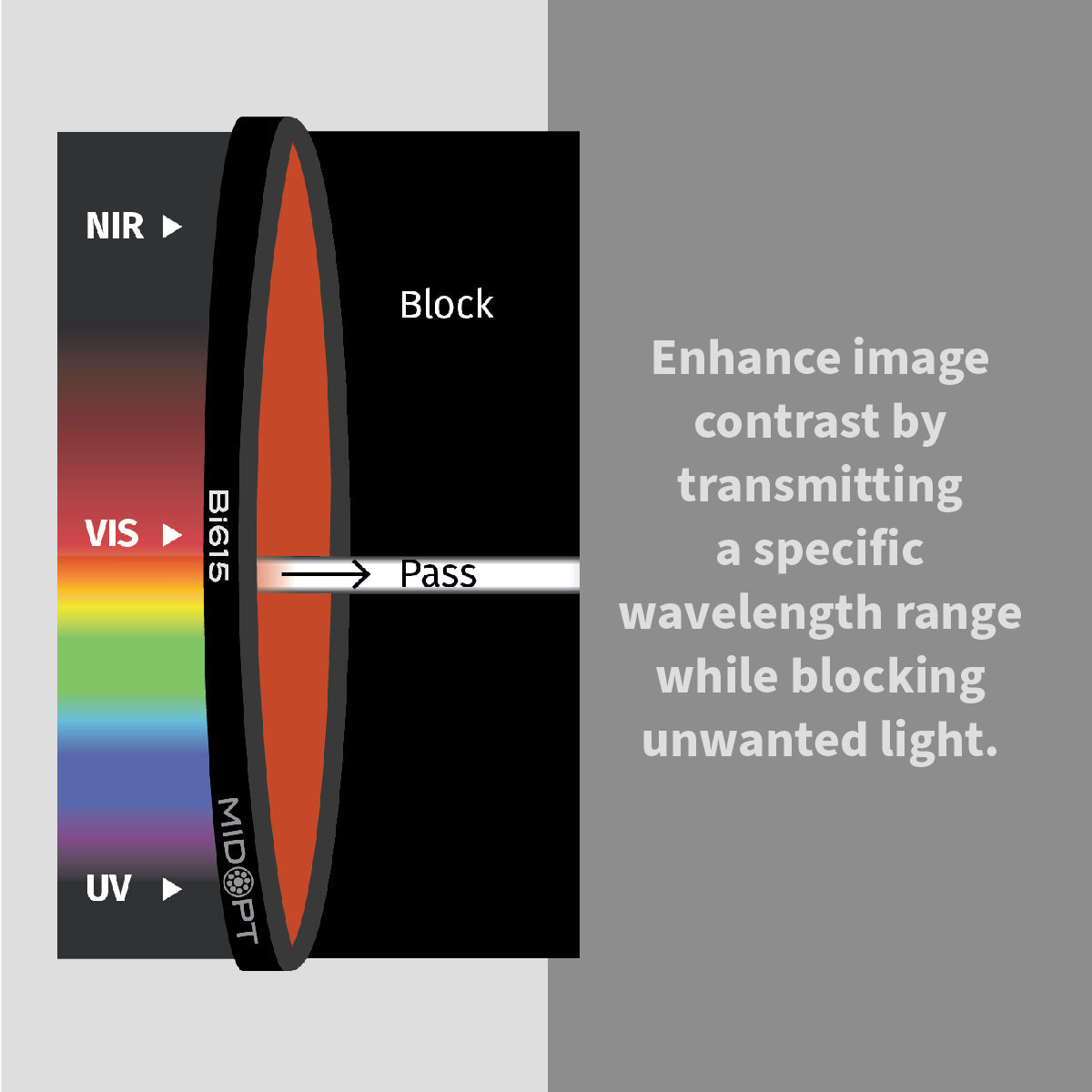
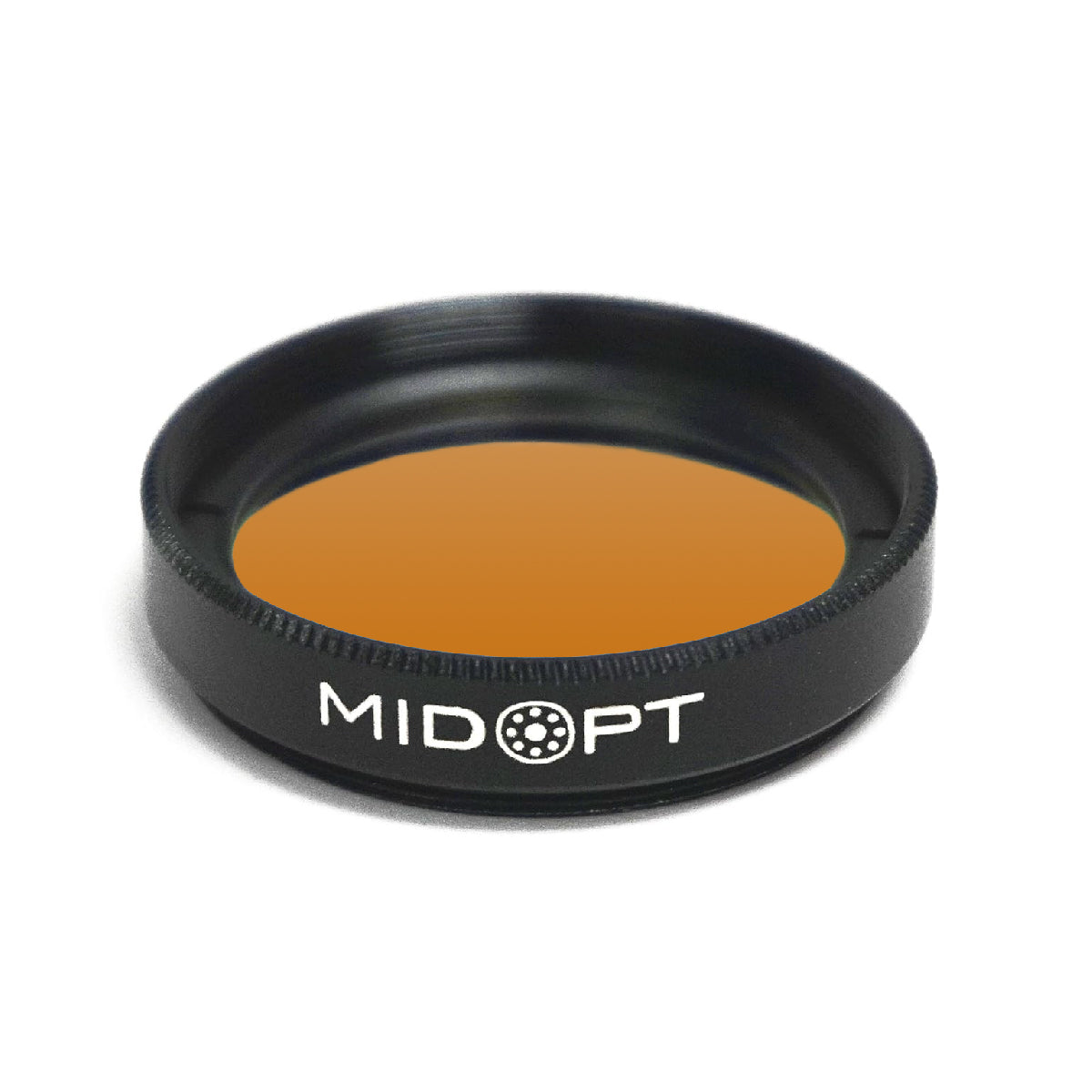
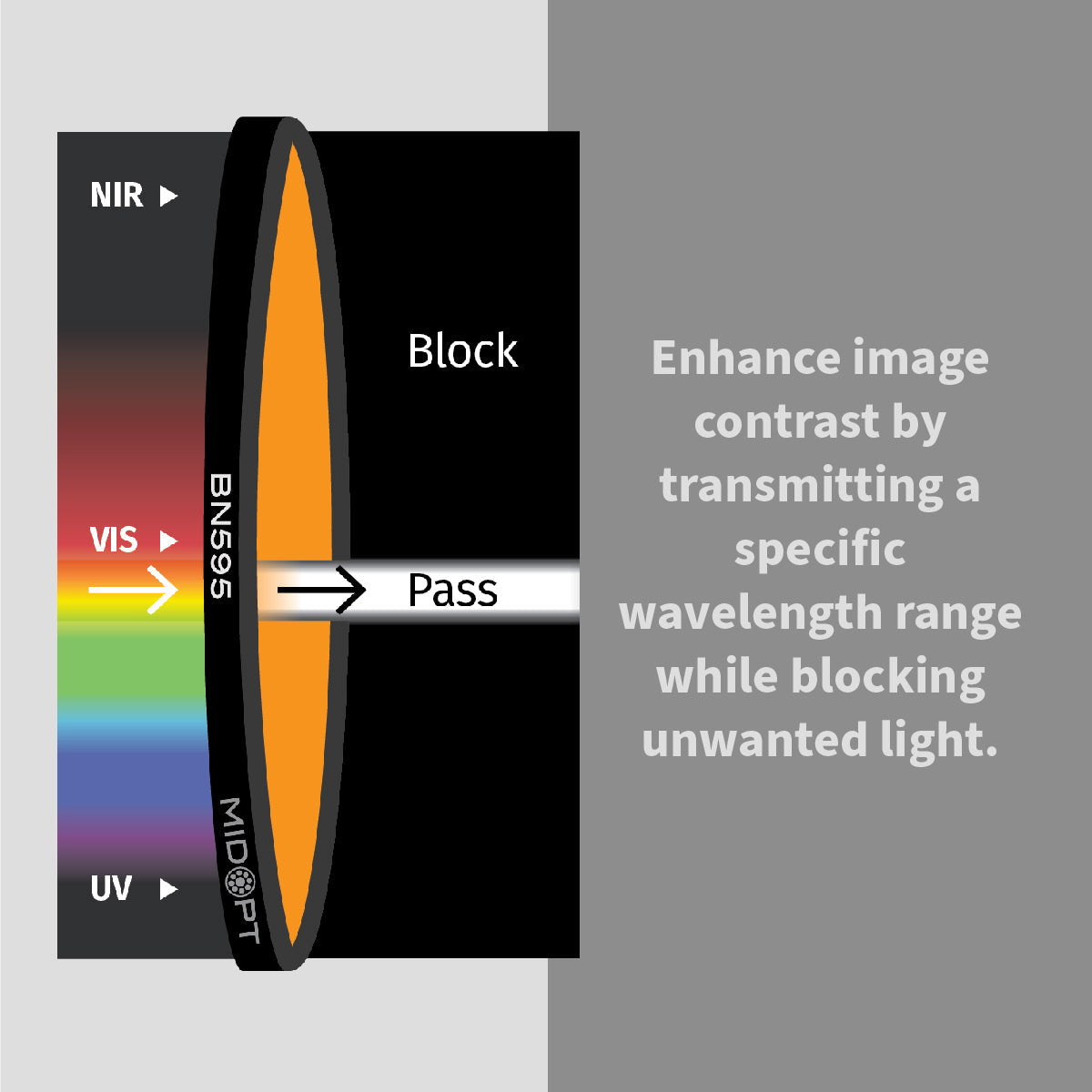
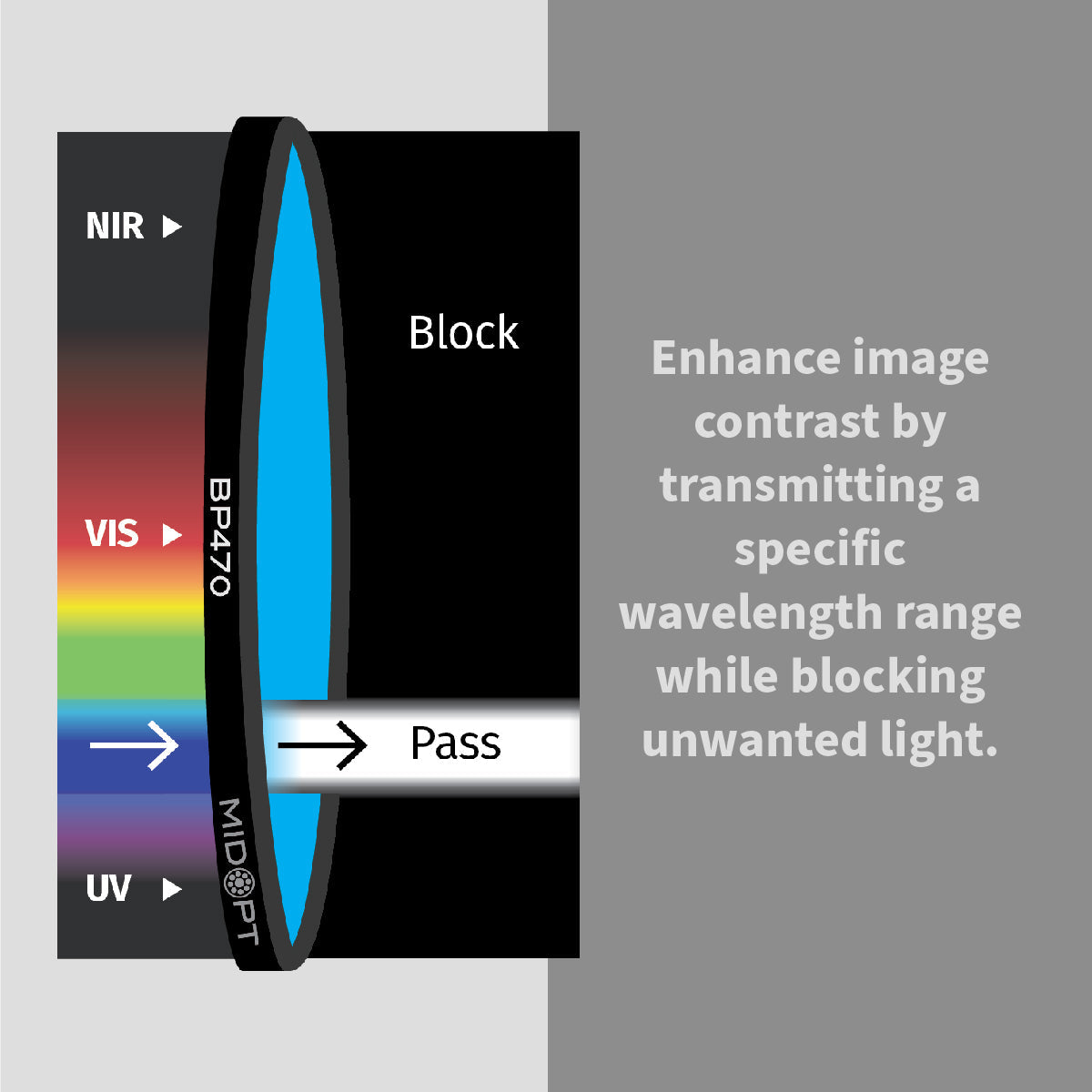
The wavelength impacts image contrast. Red light is common and works for general use. Blue and green can increase contrast on certain materials. Infrared light can penetrate deeper into surfaces or help reduce glare. Always test which wavelength reveals the most useful details for your application.
3. Brightness and Uniformity
Ensure the light provides enough brightness for high-speed cameras or short exposure times. Uniformity is equally important – uneven illumination can cause false detections or measurement errors. Choose a light unit with consistent output across the entire field of view.
4. Size and Working Distance
The physical size of the light and the working distance (space between the light and object) should match your system’s constraints. Make sure the light unit fits your setup and delivers adequate coverage from the required distance.
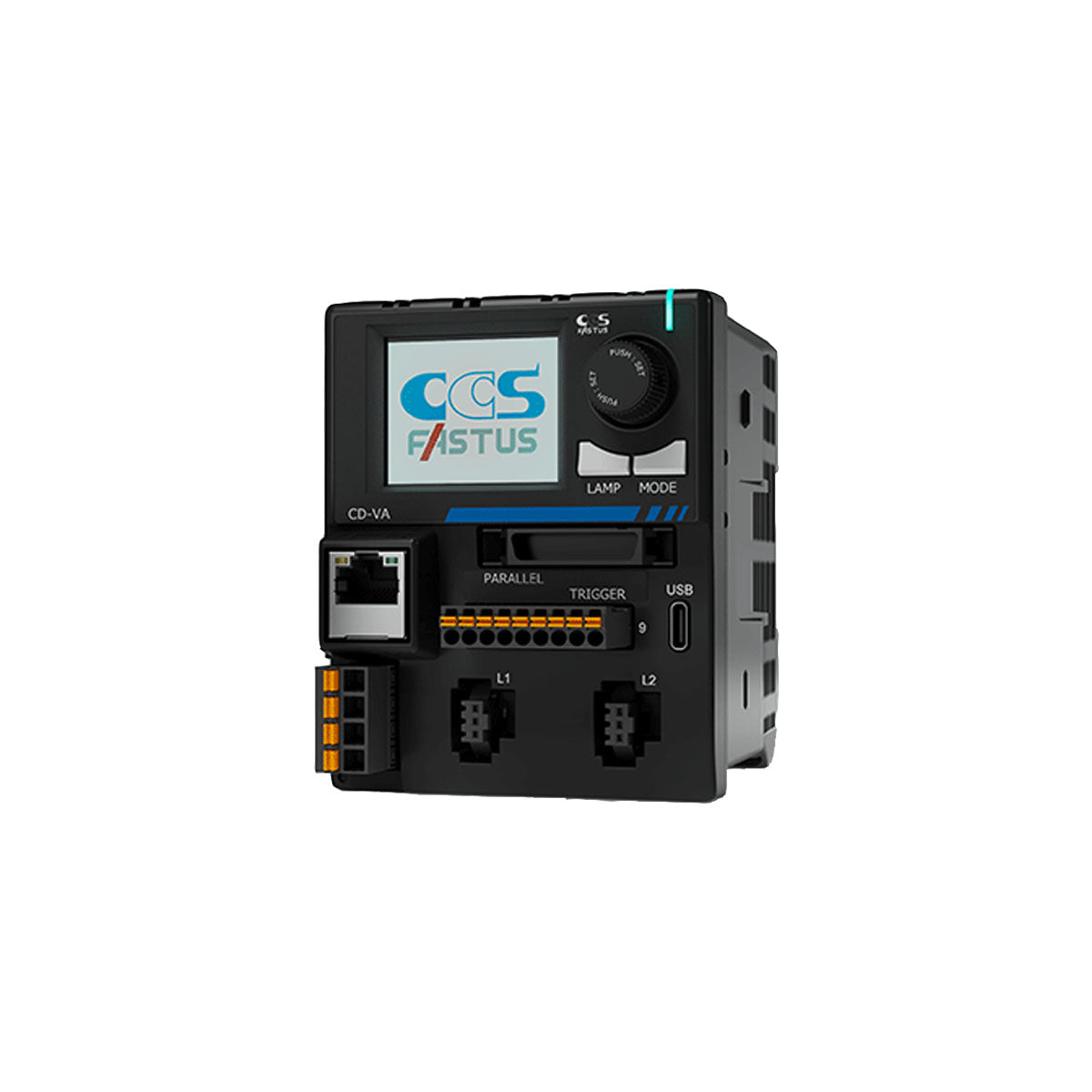
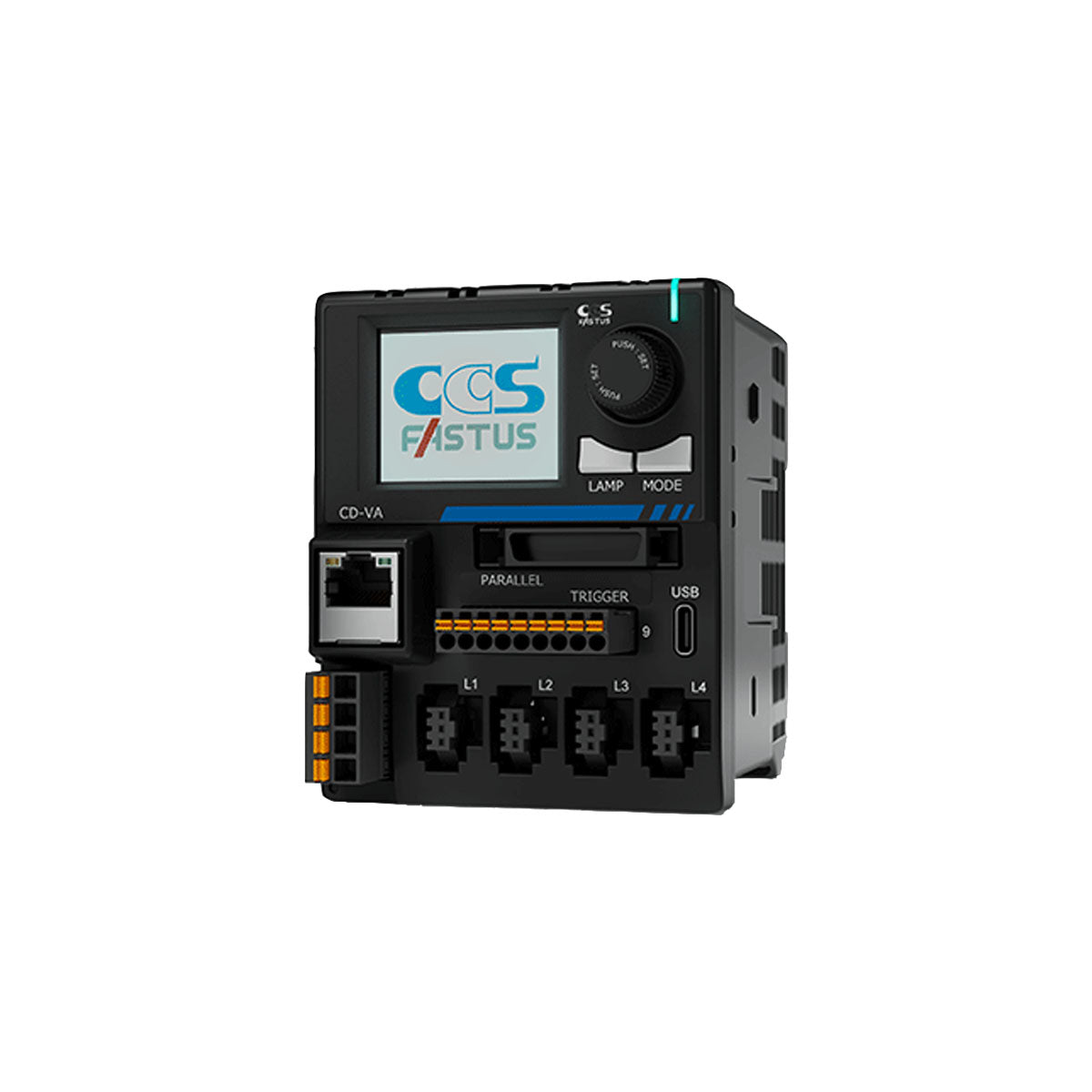
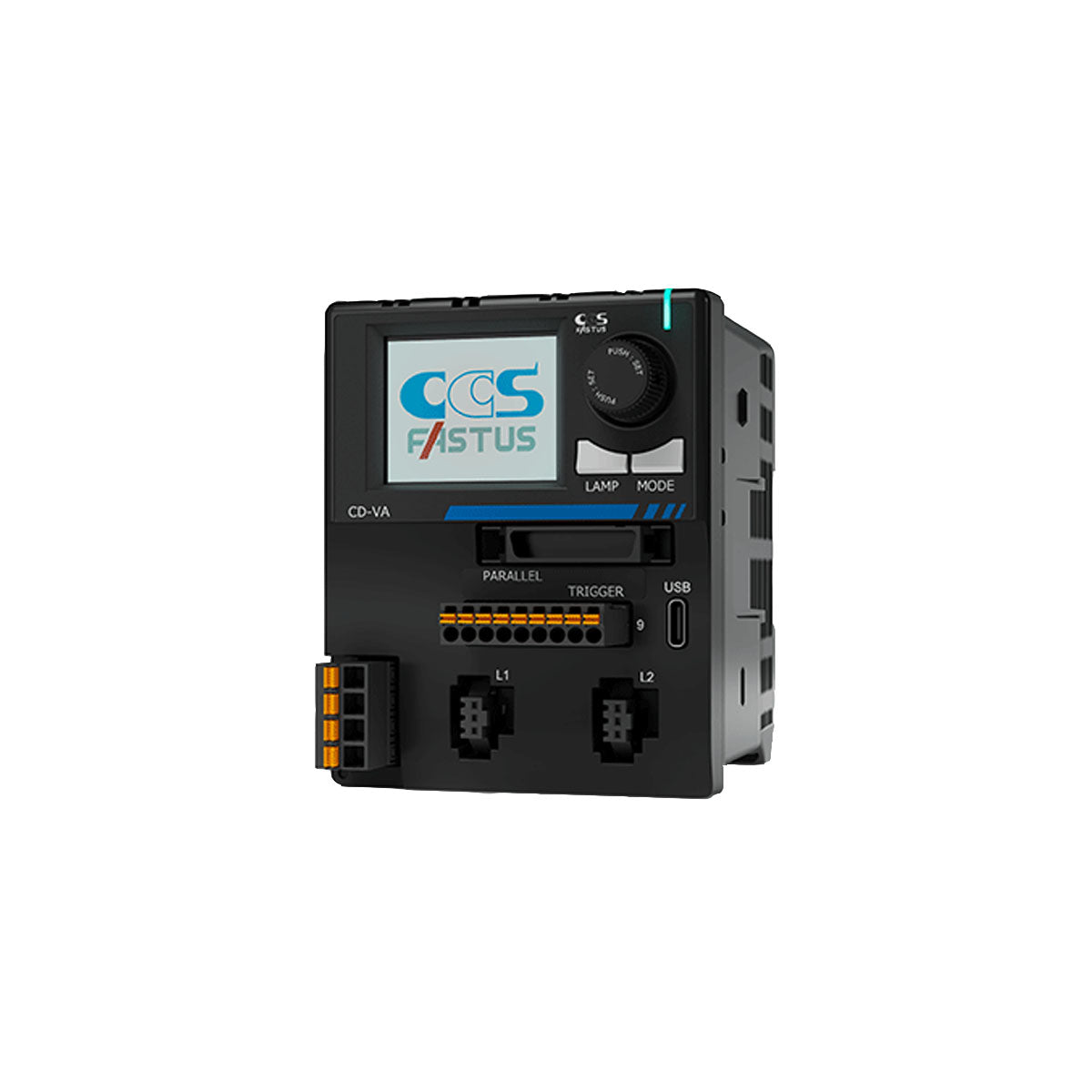
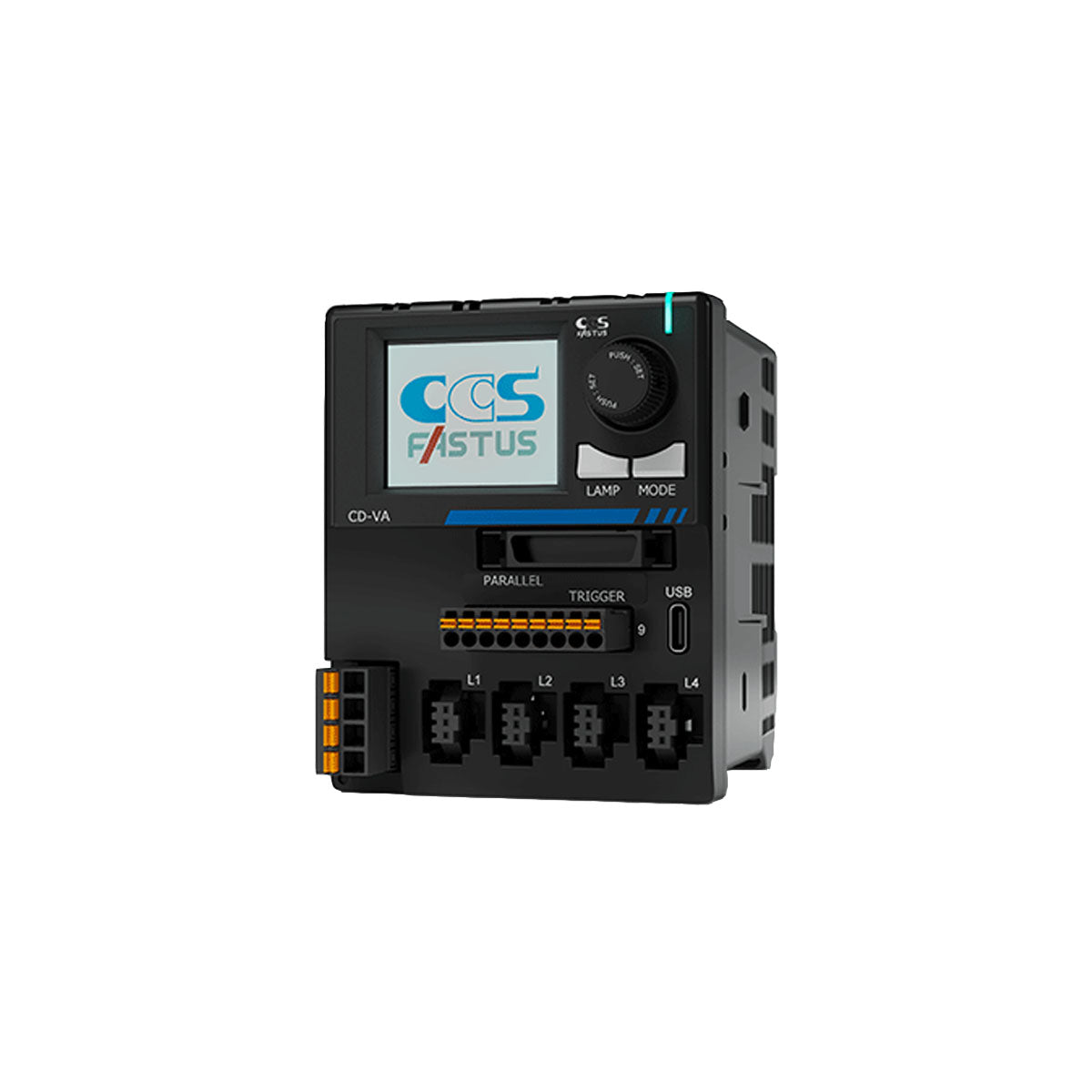
5. Trigger and Control Capabilities
For high-speed or synchronized systems, make sure your light source supports trigger input, intensity control and fast response times. Pulse lighting and strobe control can enhance contrast and reduce motion blur.
6. Environment and Durability
Consider the installation environment. Will the light be exposed to dust, heat, vibration or moisture? Industrial-grade lights with proper IP ratings and heat management are essential for long-term reliability.
Final Tip: Always test under real-world conditions. Even small differences in lighting can drastically change your inspection results.