$15.00
$15.00

 Find-R-Scopes

 Filters
 Lenses
 Cameras
 Lighting


 Accessories









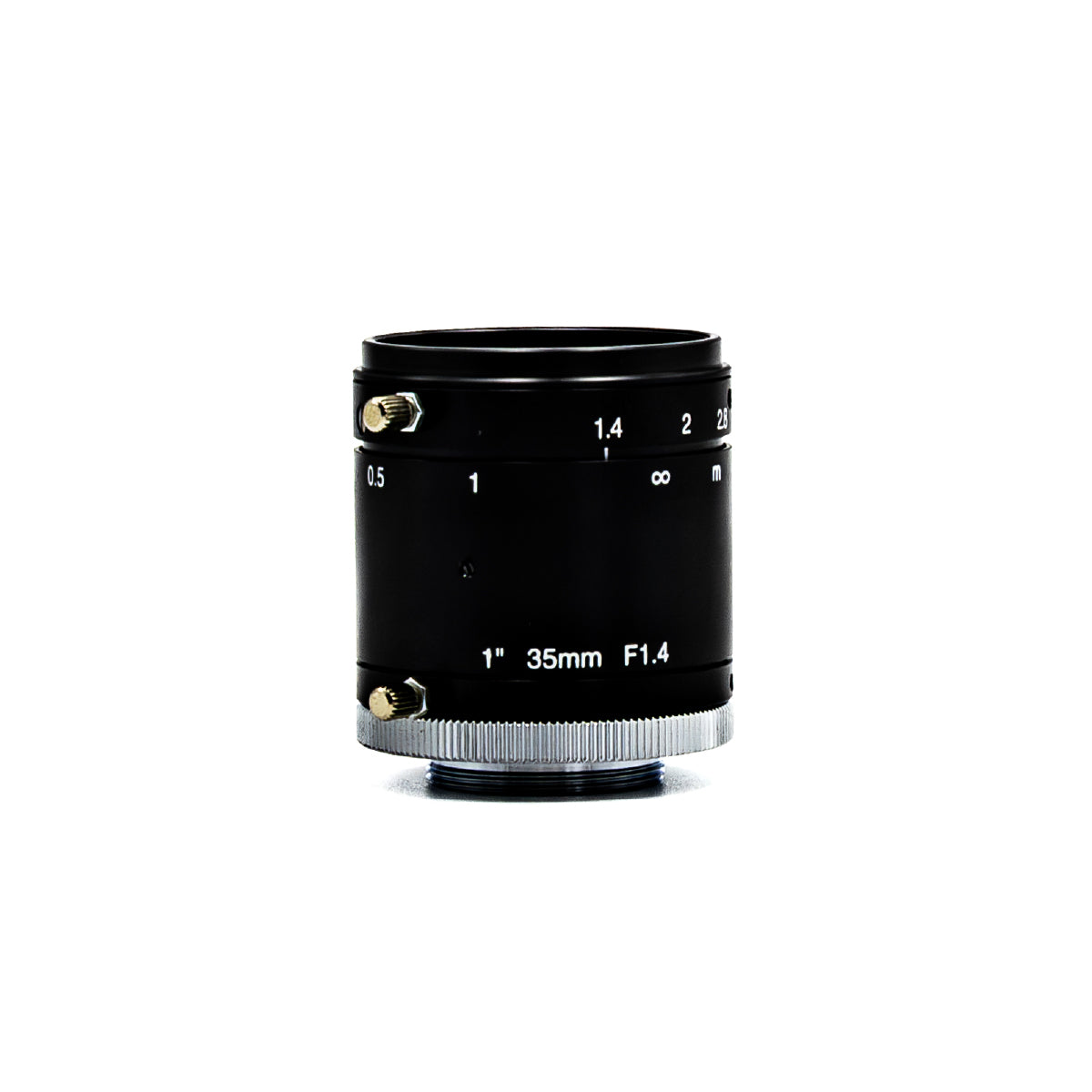
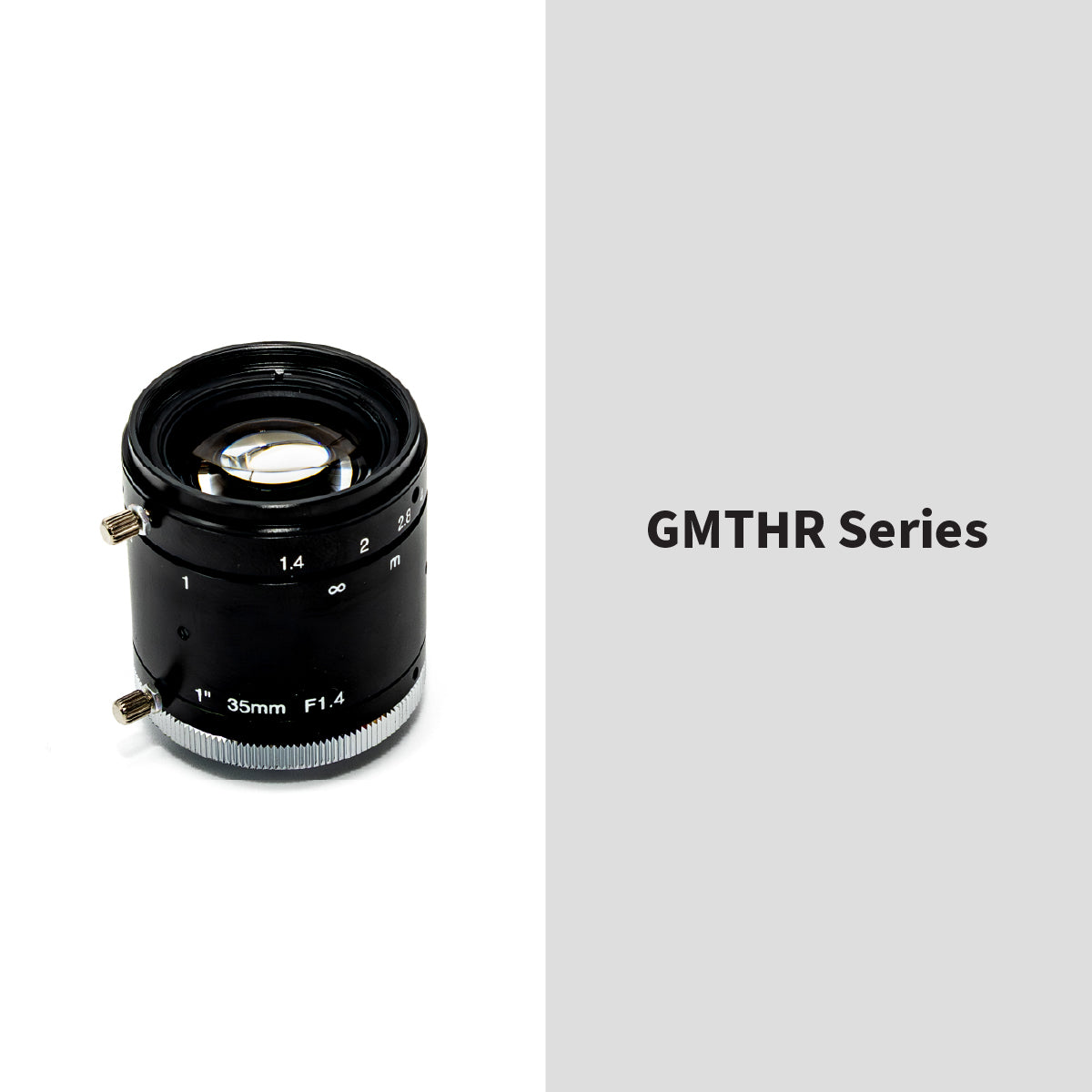

A robotic vision system is only as effective as the image it delivers. While camera resolution, lighting and image-processing software receive significant attention, the machine vision lens plays an equally important role in determining what the camera can see and how accurately the system can interpret it.

Robotic vision systems depend on more than cameras and software. The quality, direction and consistency of illumination can determine whether a vision system clearly identifies an object or struggles with shadows, reflections and insufficient contrast.

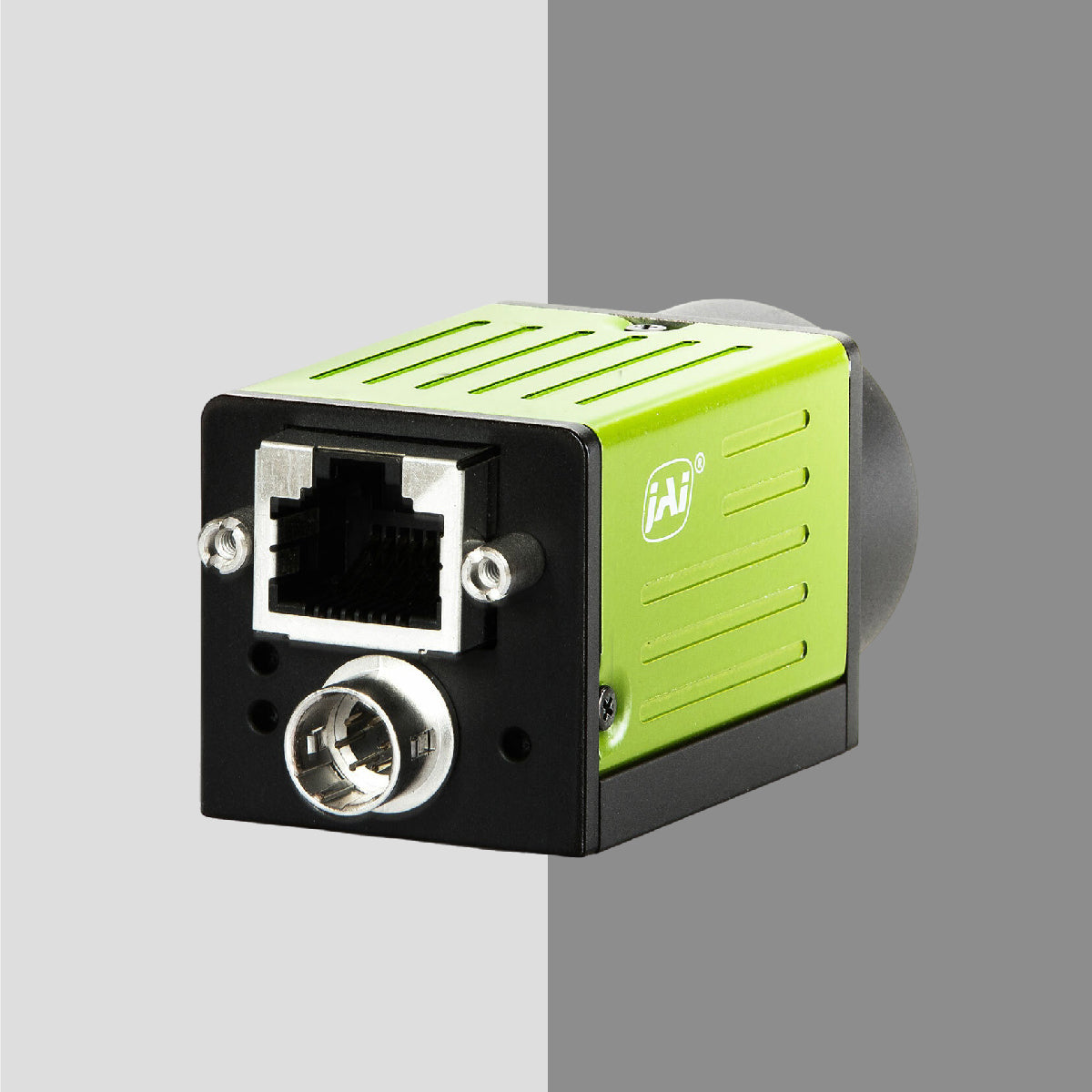
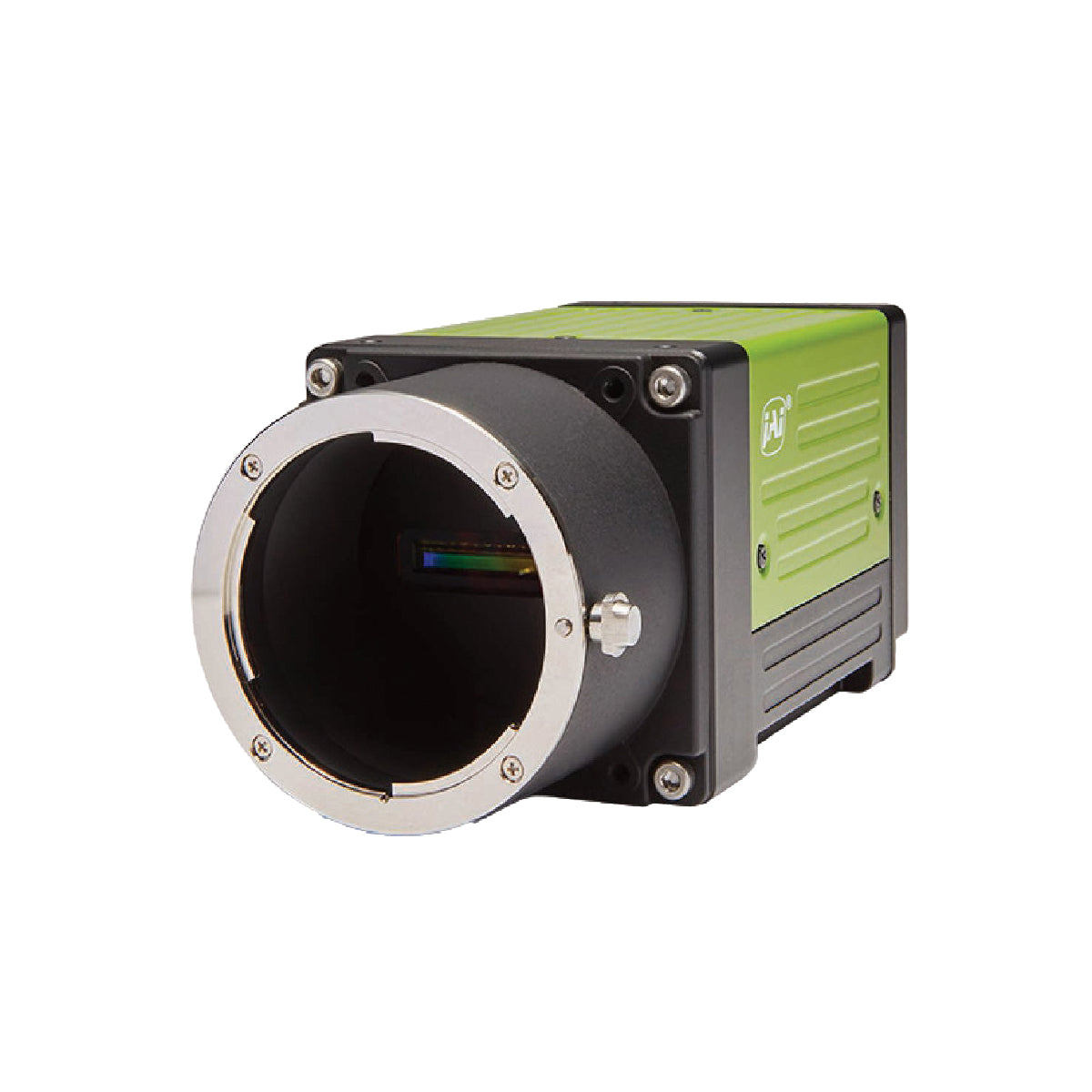
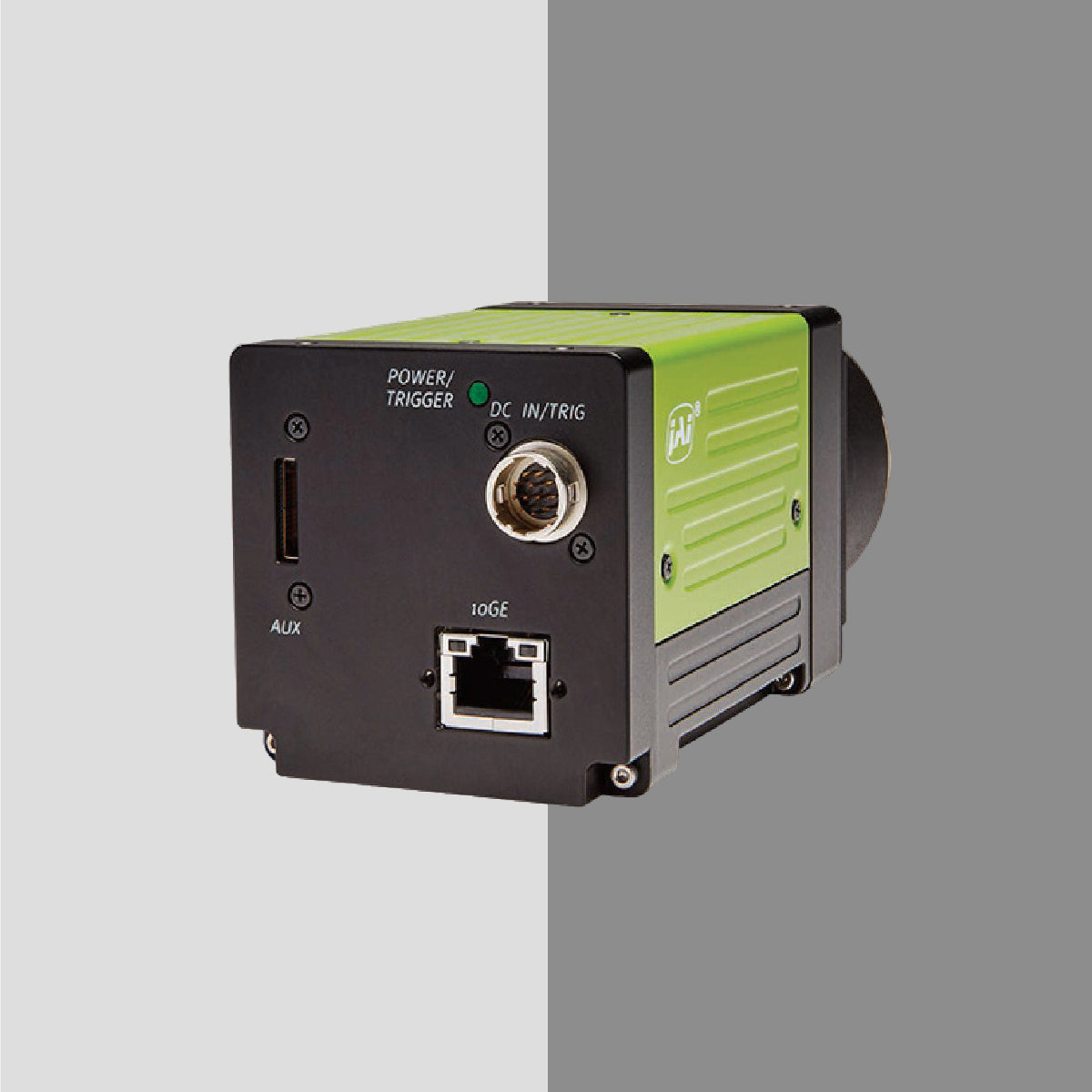
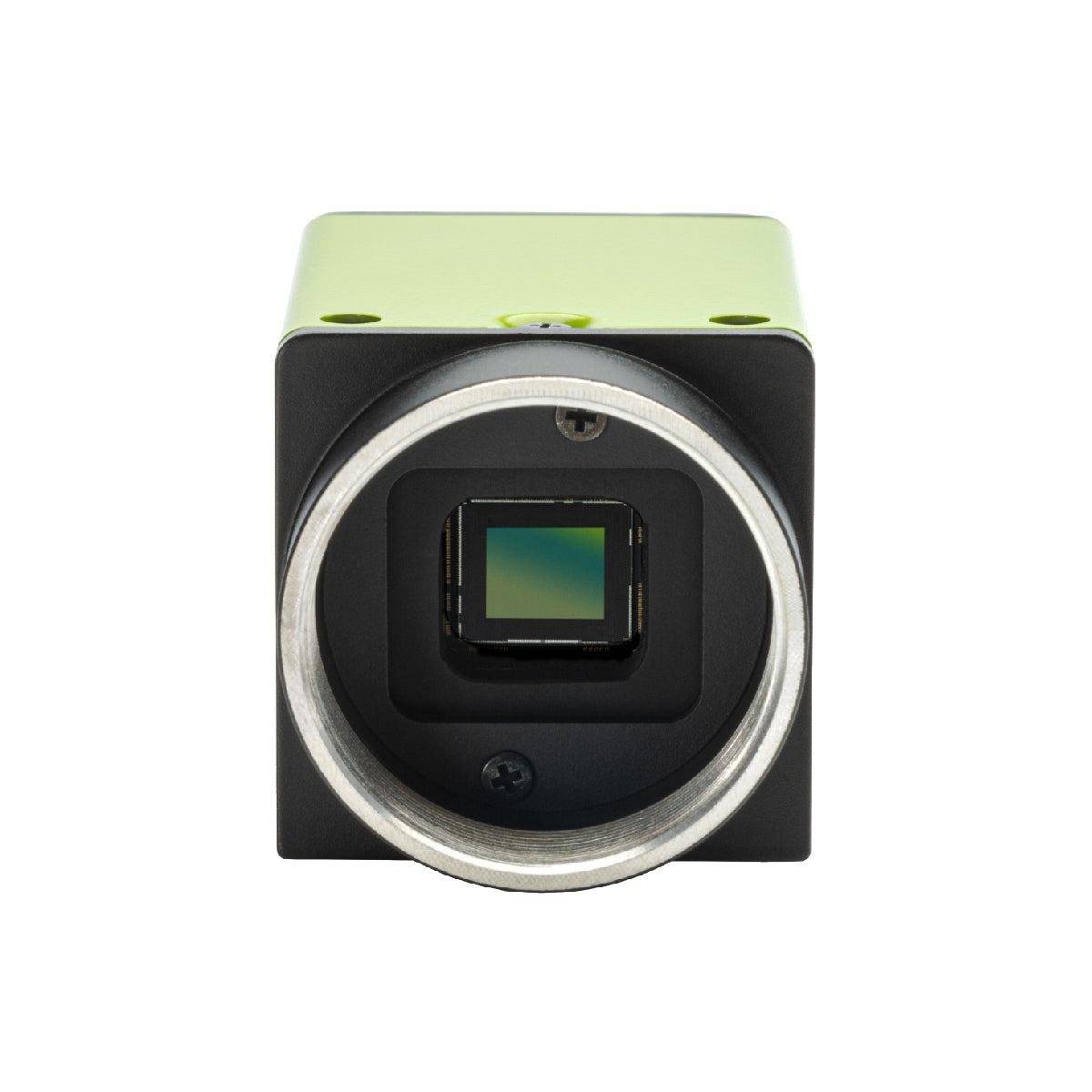
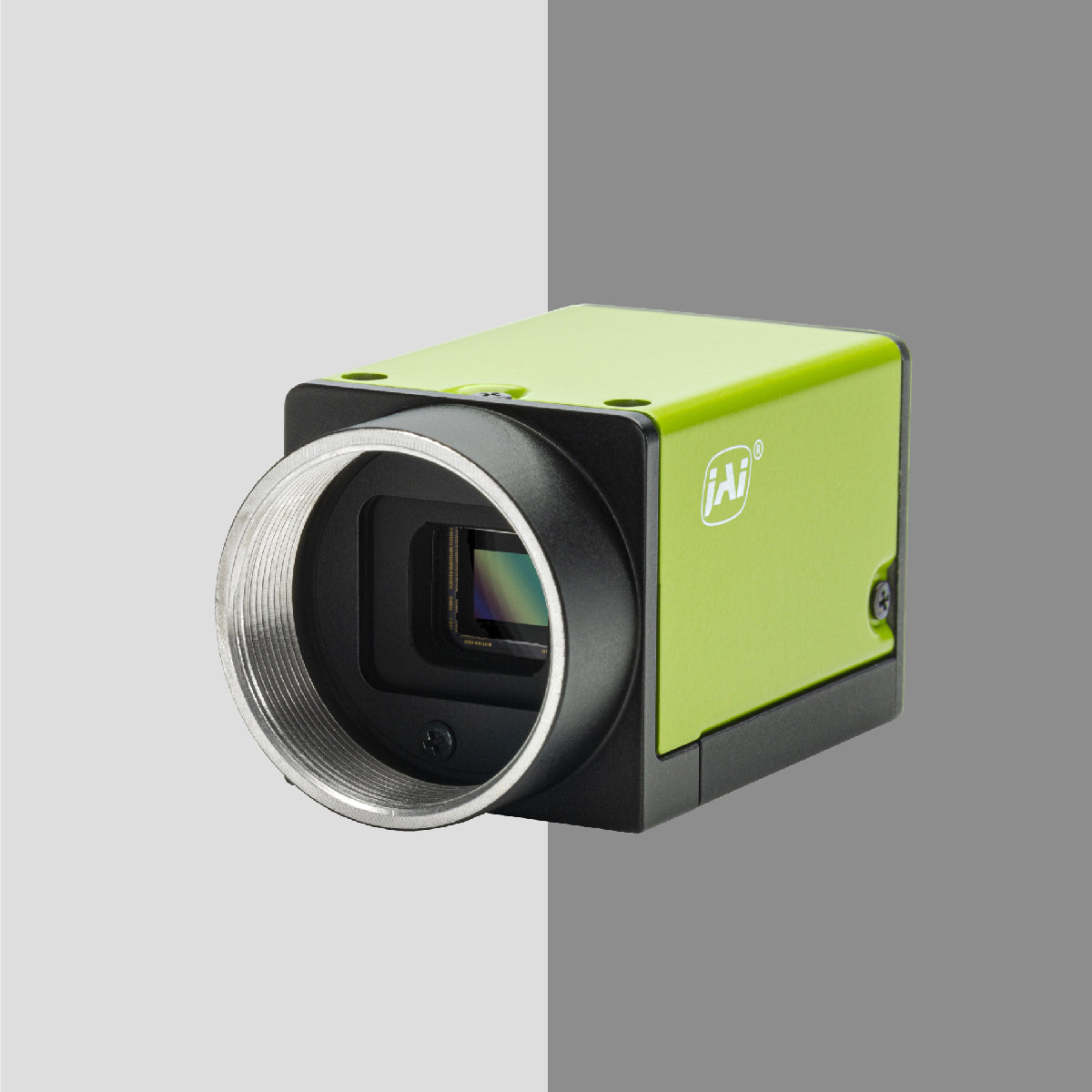
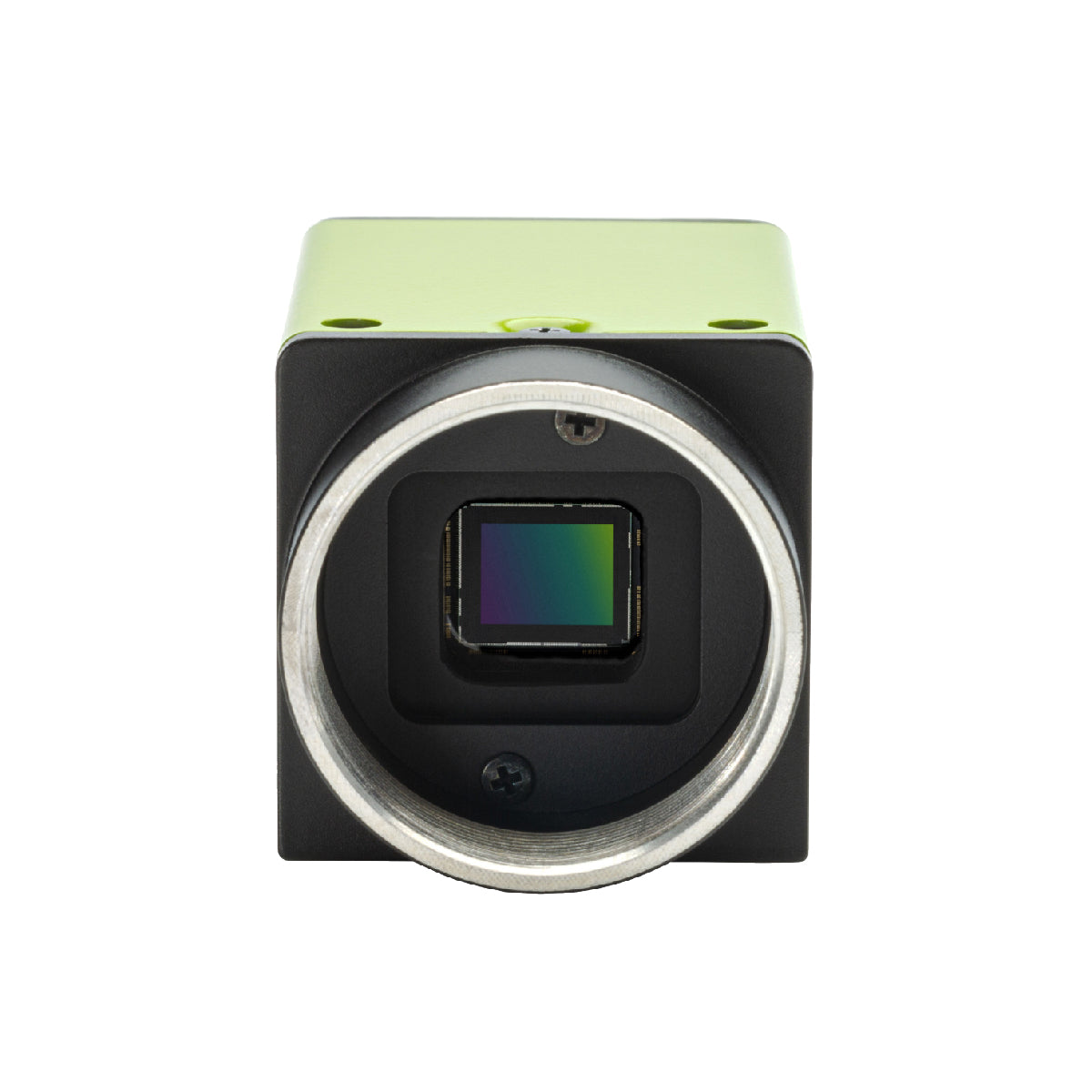
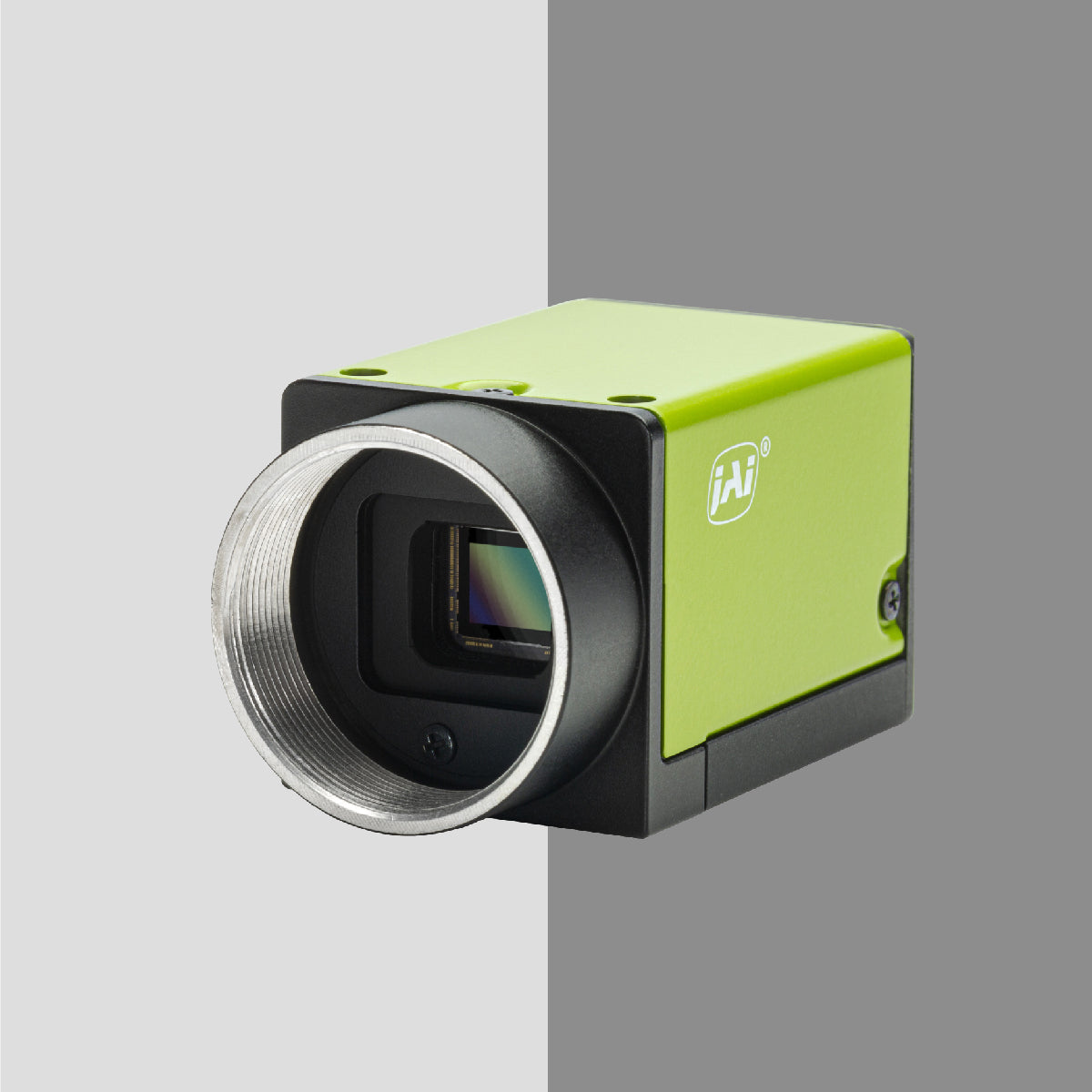
Modern robots are fast, precise and increasingly adaptable, but they still need reliable visual information to understand their surroundings. In robotic guidance and pick-and-place systems, industrial machine vision cameras serve as the eyes of the robot, providing the image data needed to locate parts, determine orientation, verify placement and make automated decisions.

As industrial robots take on increasingly complex tasks, the performance of their vision systems becomes critical to accuracy, speed and repeatability. From robotic bin picking and material handling to automated assembly, sorting and quality inspection, robots rely on cameras to identify objects, locate features and make decisions in real time.

Robotic vision systems depend on more than cameras and software. The quality, direction and consistency of illumination can determine whether a vision system clearly identifies an object or struggles with shadows, reflections and insufficient contrast.

Printed circuit board (PCB) inspection is one of the most demanding applications in machine vision. As electronic assemblies become more compact and densely populated, manufacturers rely on automated optical inspection (AOI) systems to identify increasingly smaller defects while maintaining high production speeds.

In today's automated manufacturing and logistics environments, production lines are moving faster than ever. Whether inspecting pharmaceutical packaging, automotive components, food products, electronics or parcels, machine vision systems must capture sharp, consistent images while products travel across conveyors at high speeds. One of the most critical factors in achieving reliable inspection results isn't just the camera – it's the lighting.

Whether you're inspecting electronics, pharmaceuticals, automotive components, food products or semiconductor wafers, proper lighting can mean the difference between detecting critical defects and missing them entirely. That's why lighting simulation and testing have become essential tools for optimizing machine vision performance before a system is deployed.

Sustainability is becoming a key focus across manufacturing, and machine vision systems are no exception. While cameras and software often get the most attention, lighting plays a major role in both system performance and energy consumption. By optimizing illumination, manufacturers can significantly reduce energy waste while maintaining – or even improving – inspection accuracy.

Choosing the right lighting is one of the most critical steps in building a successful machine vision system. Illumination affects everything from contrast and resolution to inspection speed and system reliability. Selecting the wrong light unit can result in poor image quality, inconsistent results or even complete inspection failure. Here are key items to check when evaluating a light source.

In machine vision, lighting isn’t just about brightness – it’s about control. One of the biggest challenges in capturing consistent, high-quality images is glare and reflections from shiny or specular surfaces. These unwanted highlights can obscure critical details, confuse algorithms and lower inspection accuracy. This is where polarized lighting plays a powerful role, offering a practical solution to suppress glare and reveal hidden detail in reflective environments.

When it comes to machine vision, one of the most influential lighting variables is lighting angle, which directly impacts contrast, edge definition, surface visibility and defect detection. Selecting the correct lighting angle can mean the difference between a reliable inspection system and inconsistent results.

Lighting is one of the most influential factors in machine vision performance. The right illumination can dramatically improve contrast, reduce noise and stabilize inspection results, while the wrong setup can cause missed defects, blurry images or inconsistent measurements.

There are many lighting techniques in machine vision, but backlighting – placing an illumination source behind the object, opposite the camera – is especially effective for certain applications. While front-lighting or diffuse dome lighting might illuminate a surface, backlighting creates a clean silhouette by allowing light to pass through or around the subject. This technique is particularly useful for edge detection, shape verification and measurement tasks.

Lighting determines how surfaces, textures and edges appear to the imaging system – and ultimately how well the application performs. Three of the most common lighting approaches are diffuse, direct and structured.

In machine vision, lighting is important. The quality, angle and consistency of illumination directly impact the ability of your vision system to capture accurate, reliable images. Among the many lighting considerations, one crucial yet often overlooked factor is uniformity – achieving even, consistent illumination across the entire field of view.

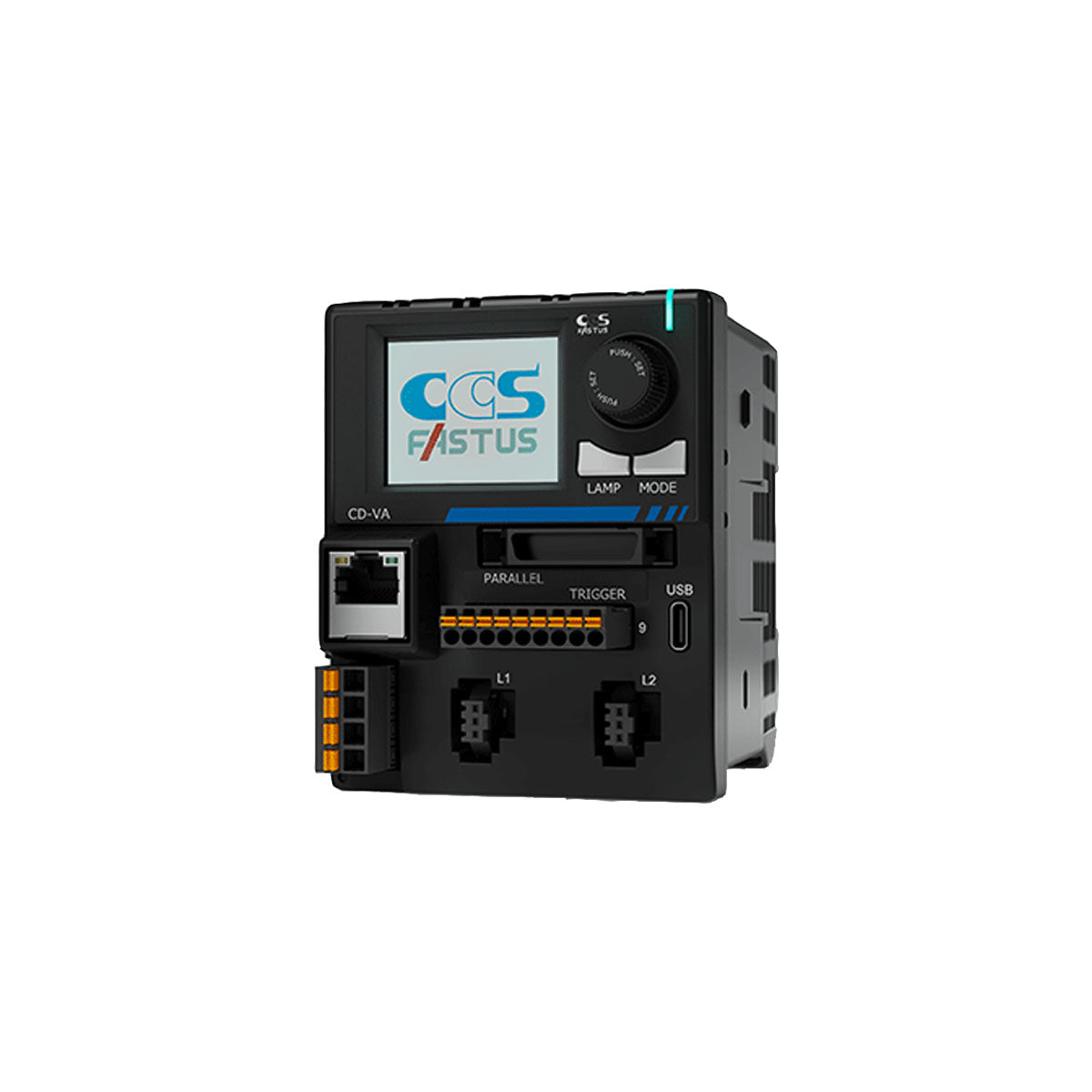
When it comes to building a successful machine vision system, lighting is just as critical as the camera or lens. Without the right lighting, even the most advanced imaging components can produce inconsistent or unreadable results. Whether you're inspecting tiny electronics, scanning barcodes on packaging lines or ensuring quality control in manufacturing, the right lighting solution makes all the difference.