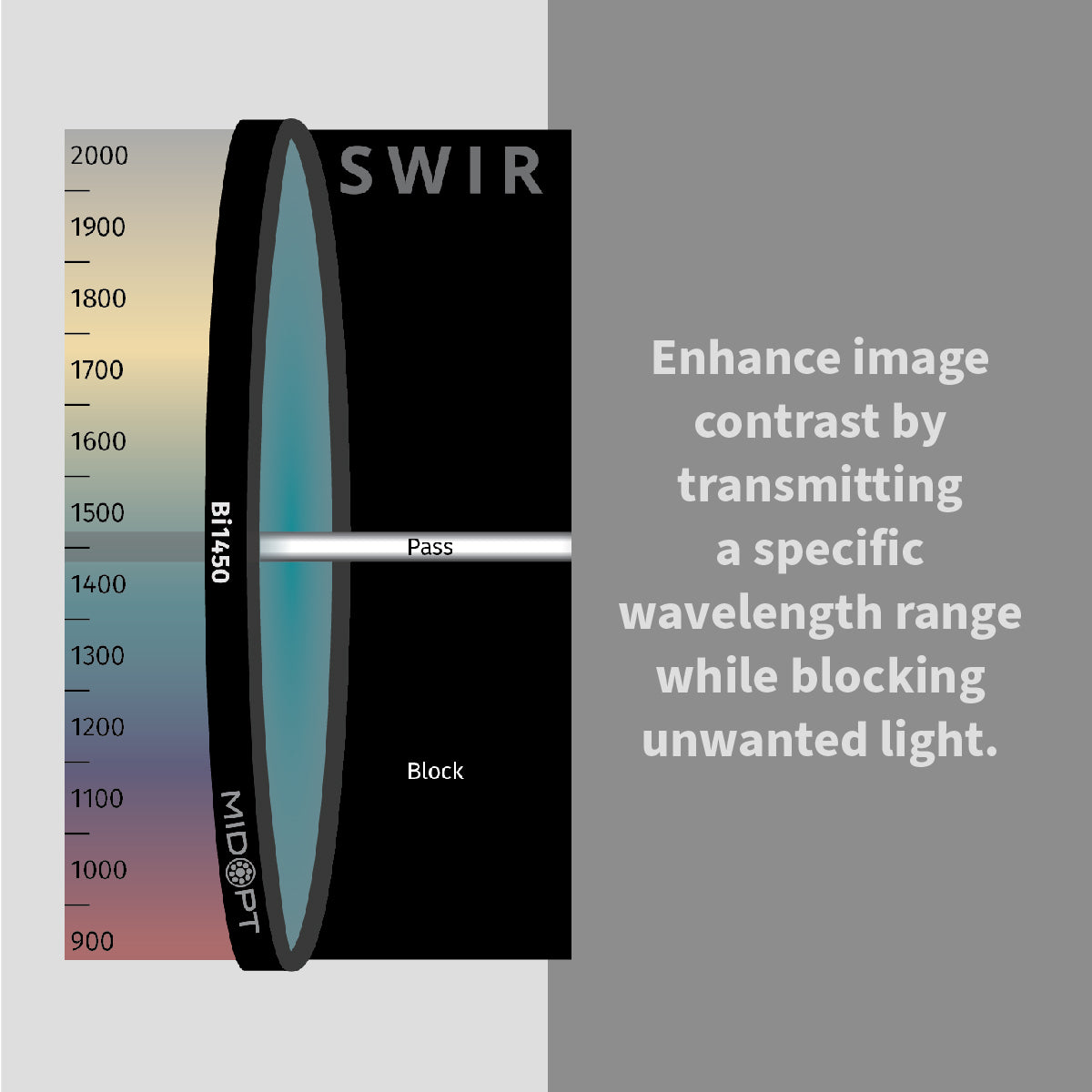
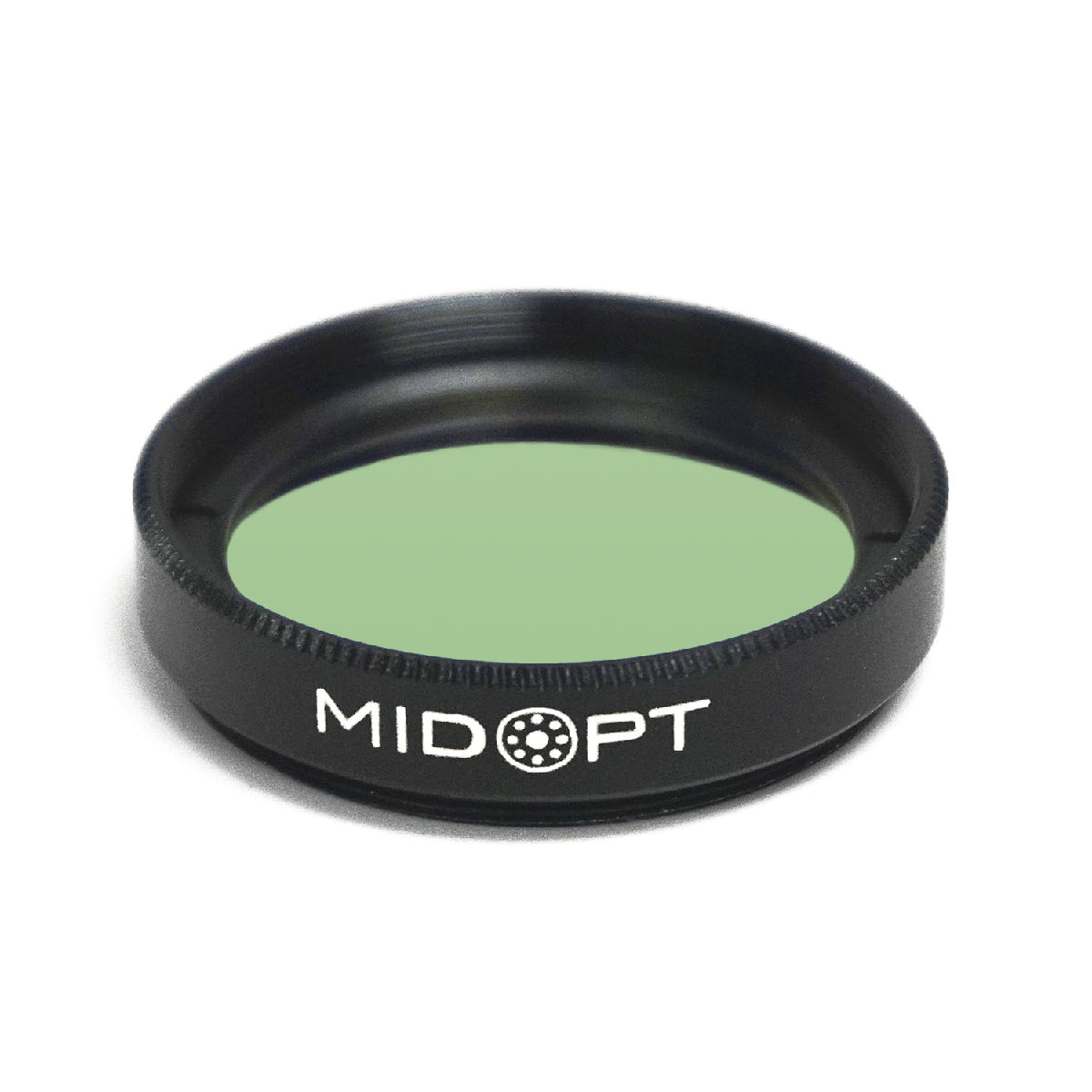
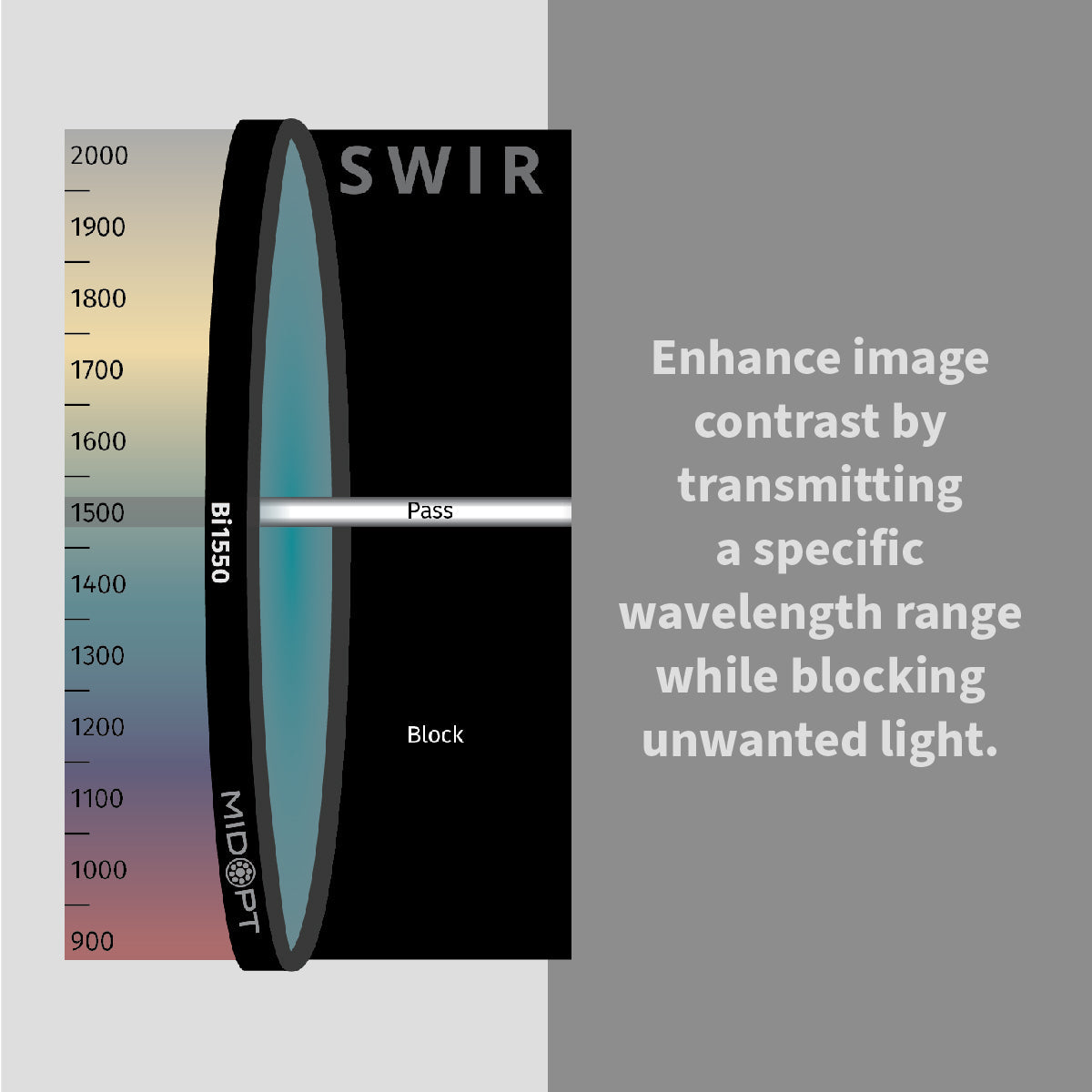
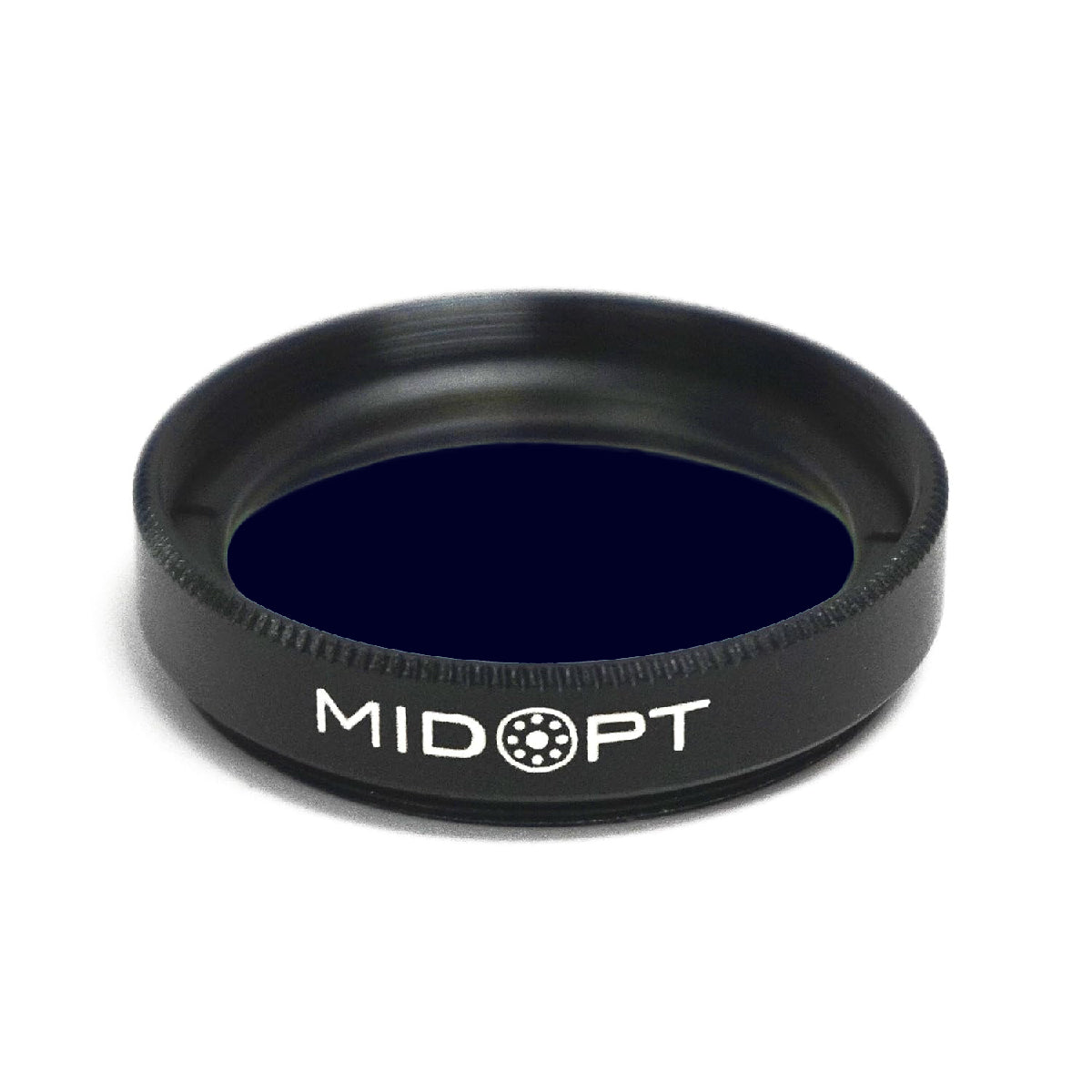
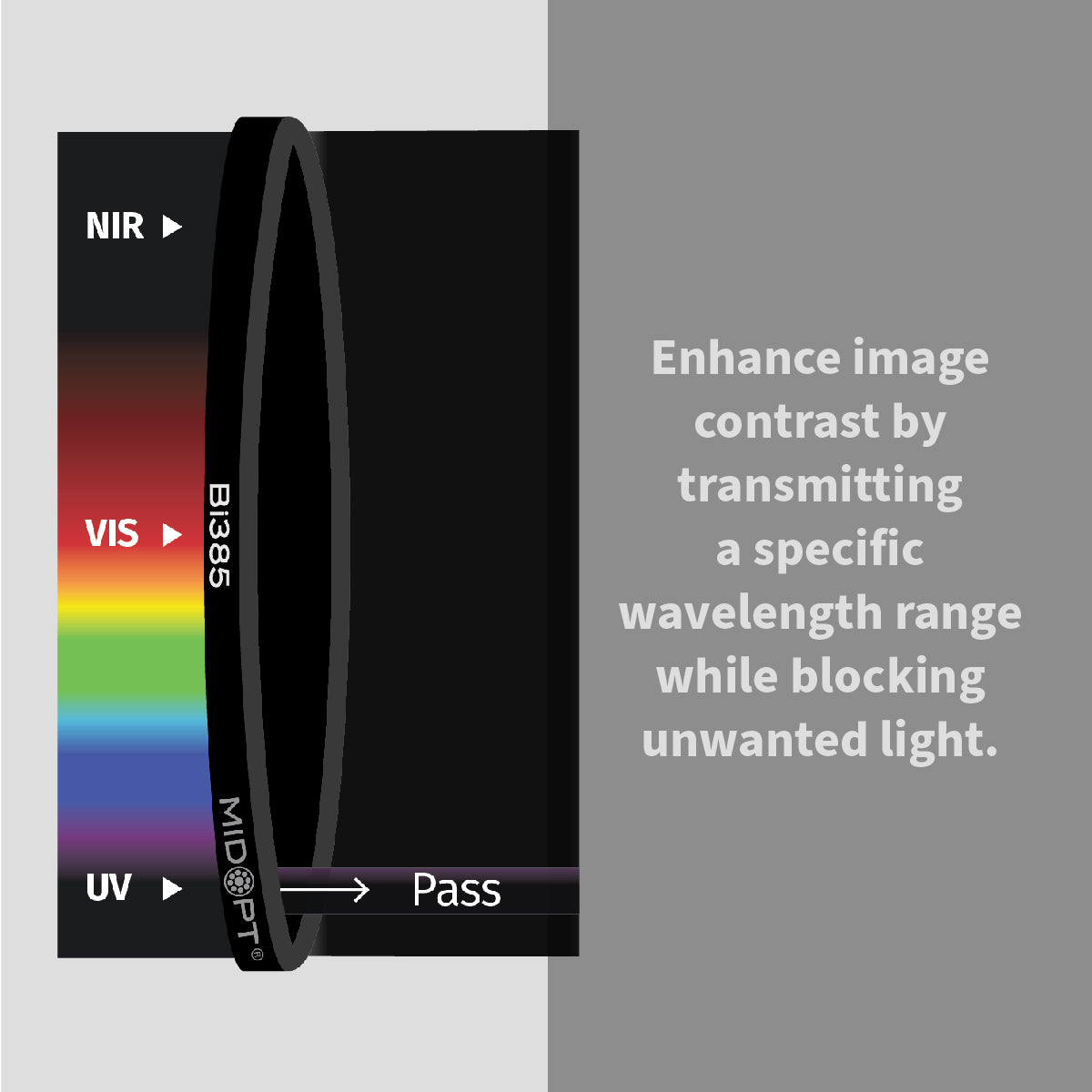
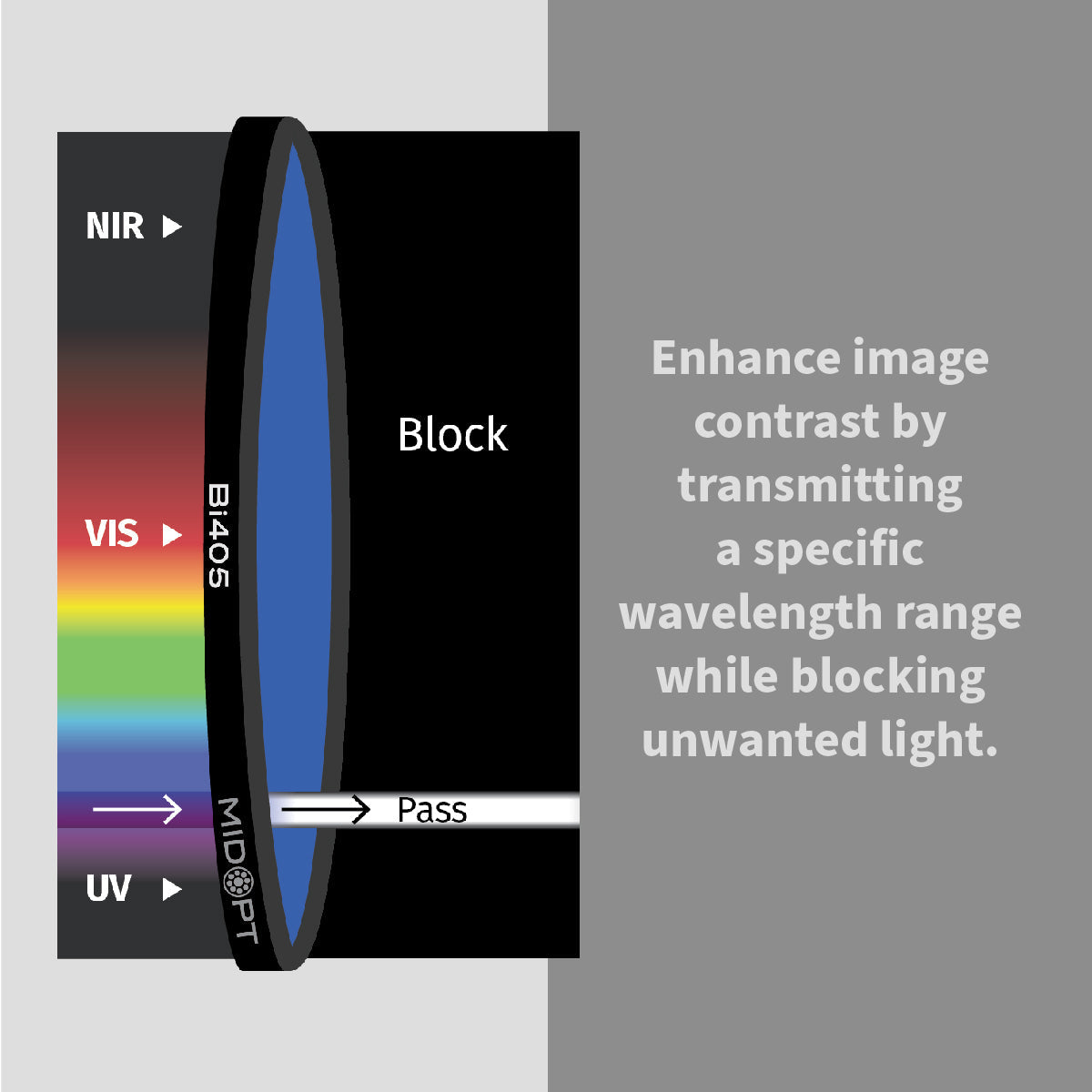
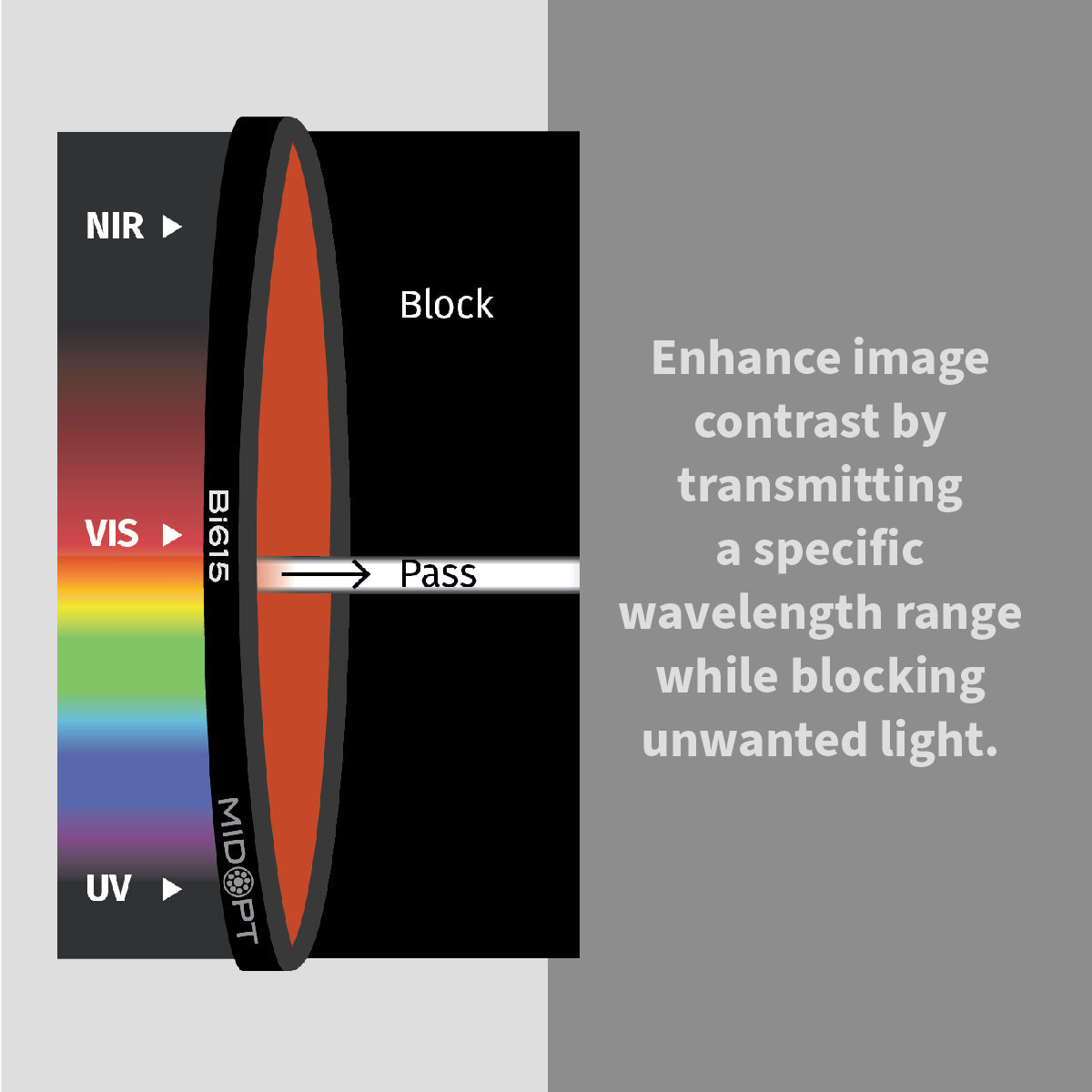
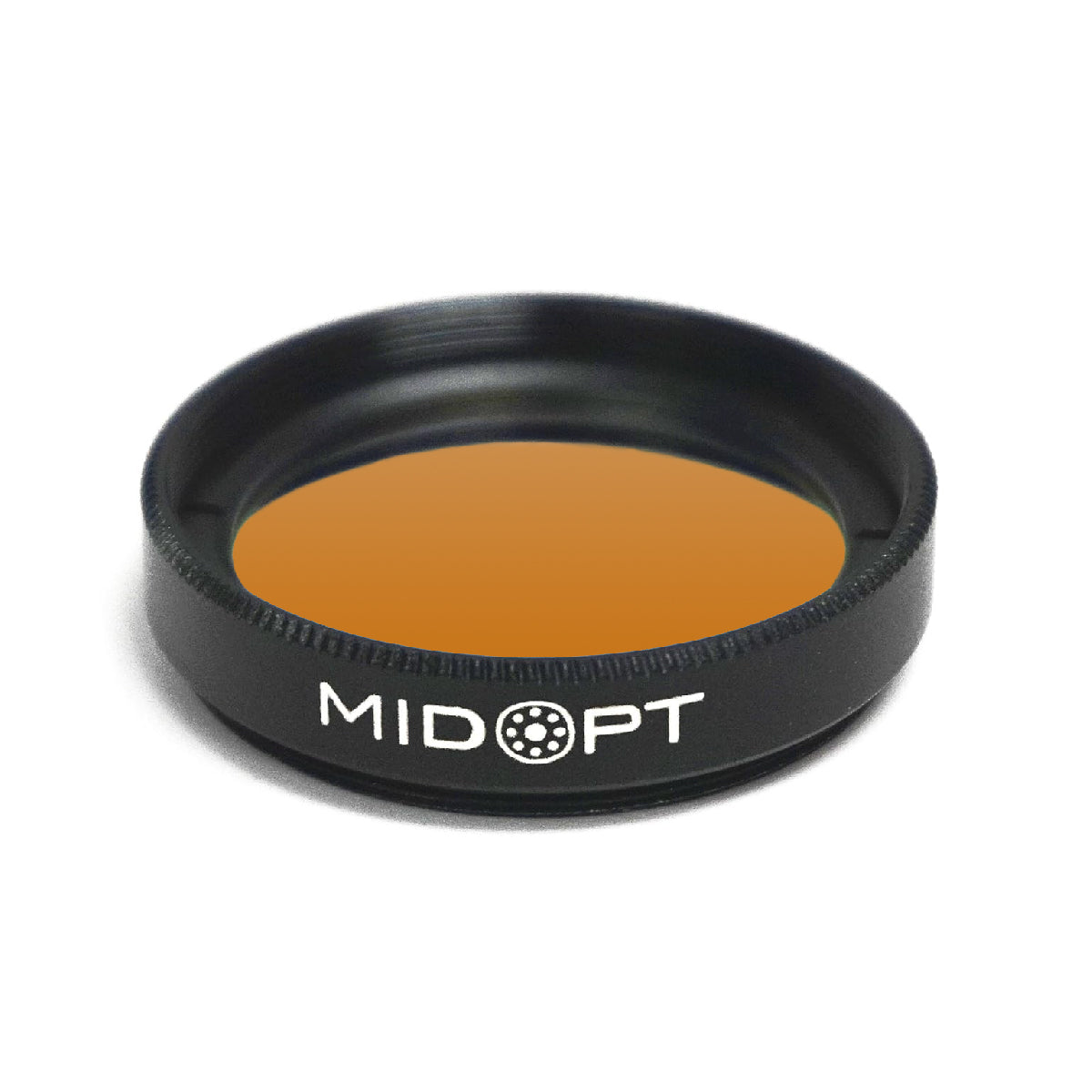
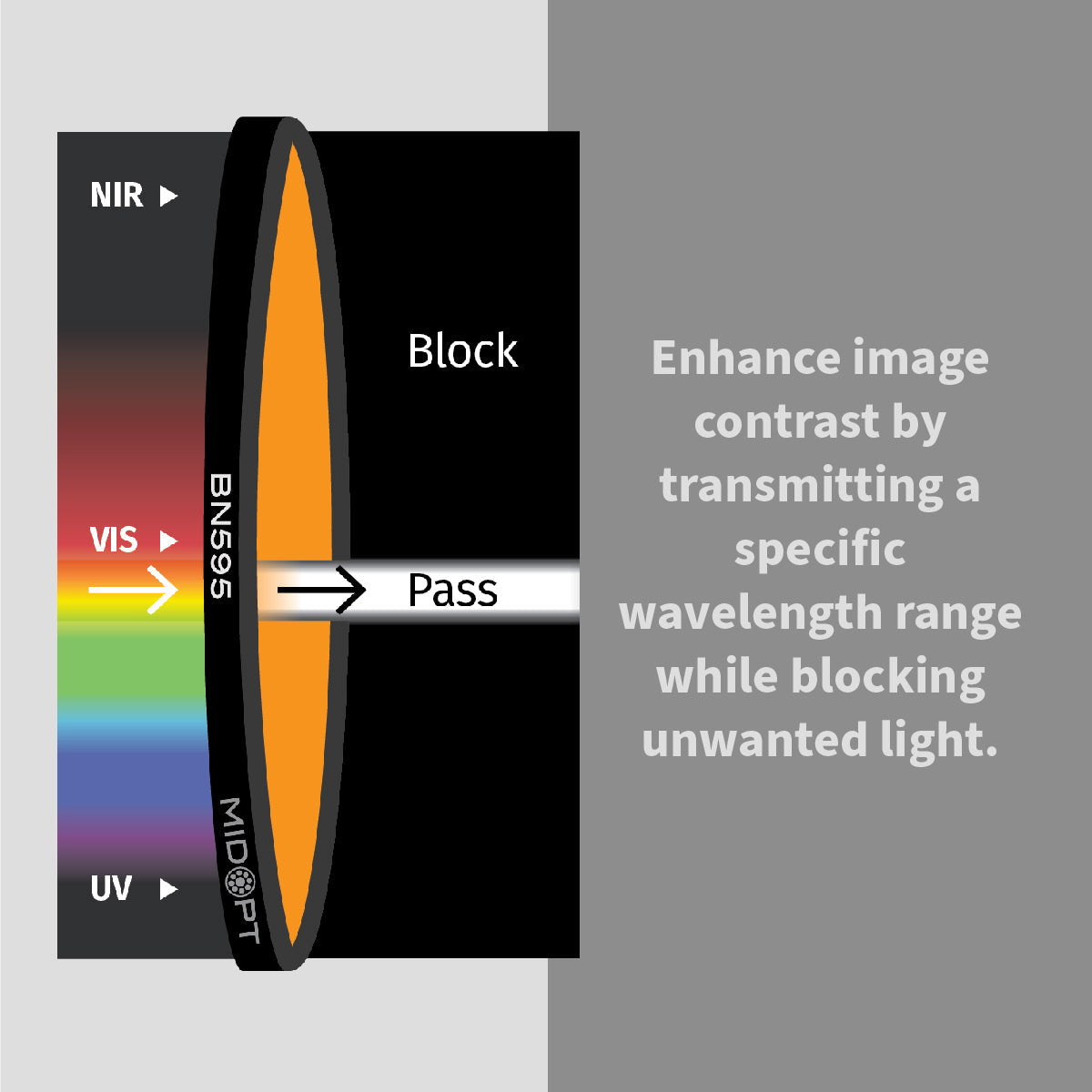
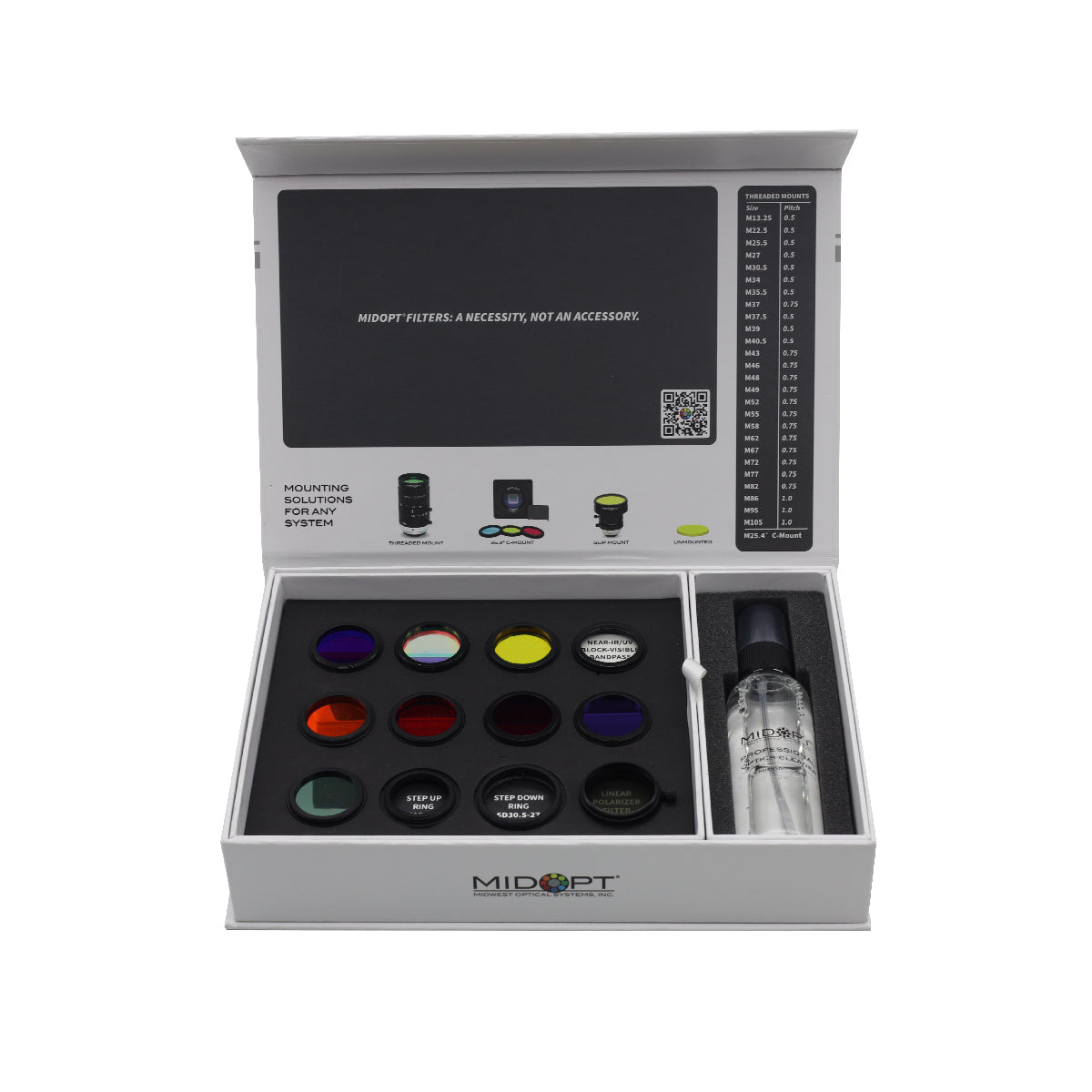
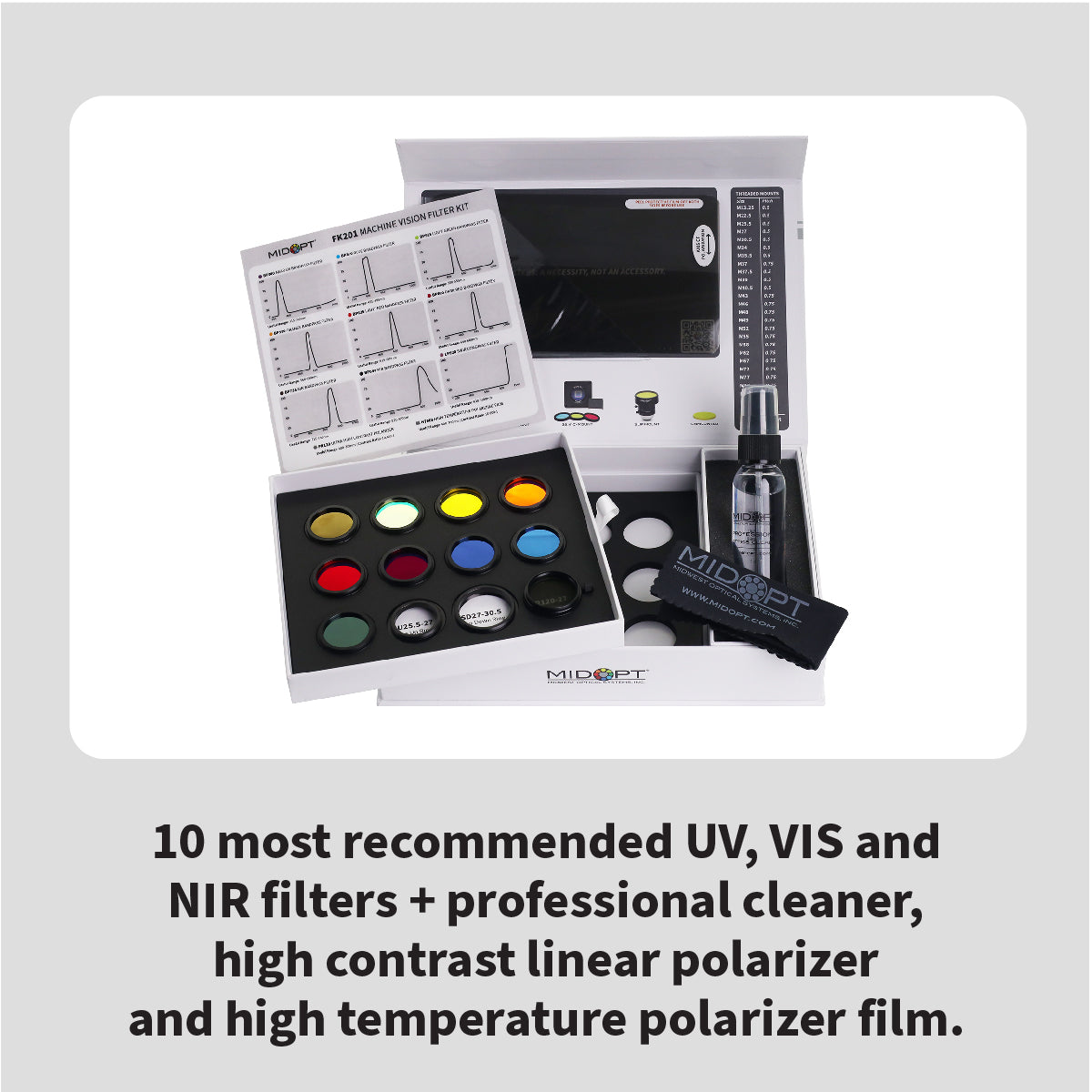
Achieving accurate, repeatable results depends on far more than just selecting the right camera or lens. One of the most overlooked components in many imaging systems is the optical filter. When properly selected, filters dramatically improve image quality, reduce variability and ensure consistent performance across changing environments.
Machine vision is an essential technology for automation, quality control, robotics and industrial inspection. But with so many types of machine vision systems available today, it can be challenging to determine which configuration is right for your application.
In machine vision, image quality is everything. Whether a system is tasked with inspecting tiny components, reading barcodes at high speed, verifying assembly quality or guiding robots with absolute precision, the camera can only make decisions based on the light it receives. That’s why optical filters – a sometimes overlooked part of a vision system – play a critical role in ensuring accurate, repeatable imaging.
Many LED light sources emit light in a Gaussian- or “bell-shaped” curve: strong in the center wavelengths, tapering off at the edges. For a filter to maximize image performance, its passband should closely emulate this Gaussian curve – matching the center, width and tails. When a filter’s passband is too broad or too “flat-topped,” more unwanted ambient light (outside the LED’s strong emission region) is allowed through, increasing noise and reducing contrast.
When building a vision system, selecting an optical filter that emulates the bell-shaped output (Gaussian transmission curve) of the illumination source's spectrum can directly influence image clarity, contrast and overall system performance.
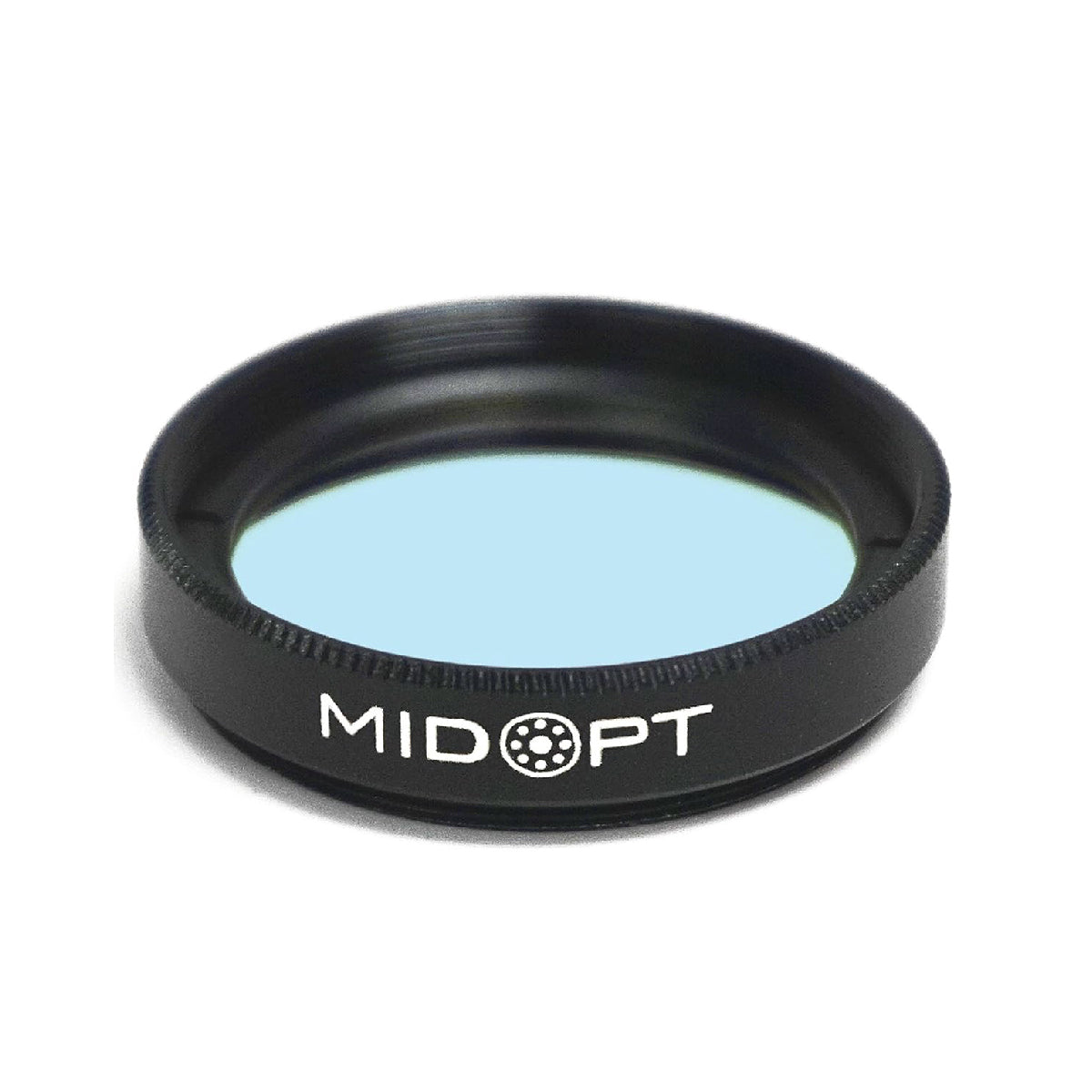
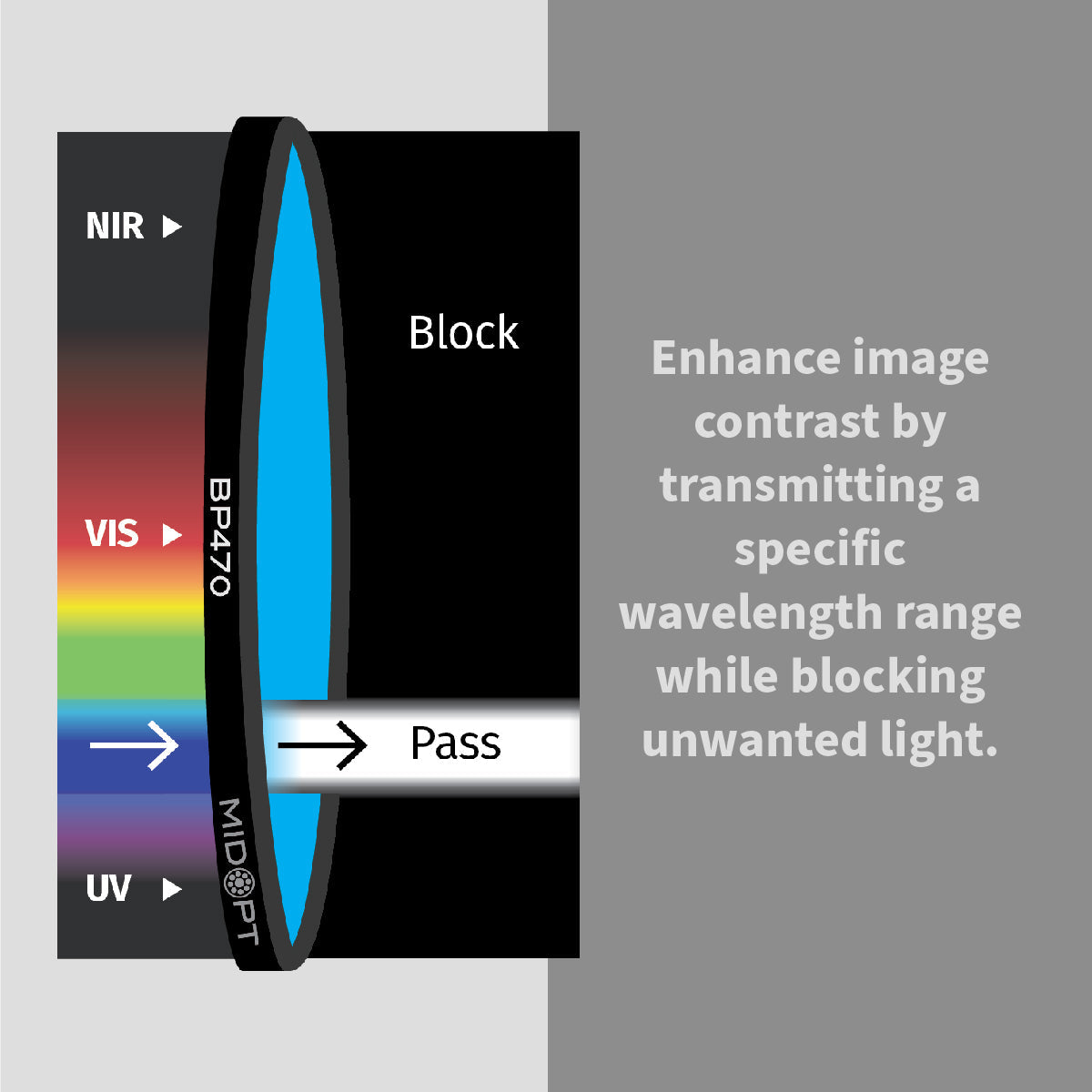
In machine vision, optical filters aren’t just add-ons, they’re essential tools for image accuracy. By carefully controlling which wavelengths pass through (and which don't), filters help maximize contrast, enhance color accuracy, highlight critical details and block ambient light that can compromise results.
Optical filters are essential for achieving reliable, high-quality results in machine vision applications. They don’t just block or pass light – they enhance system performance by increasing contrast, improving color accuracy, reducing glare and isolating specific wavelengths. But not all filters are created equal.
Since the 1980s, MidOpt® has been a pioneering force in designing and manufacturing high-quality optical filters tailored specifically for industrial imaging and machine vision systems.
Triple Bandpass Filters are tools that allow users to go above and beyond traditional Normalized Difference Vegetation Index (NDVI) indicators to reinvent the way crop health is monitored and to collect more information than ever before.
When developing a machine vision application, having the correct lighting to achieve maximum contrast is extremely important. Improper lighting can cause even the most advanced system to run slow or to have a high number of false rejects or accepts.
MidOpt® cutting-edge optical coatings for industrial imaging, including Anti-Reflection, Oleophobic and Hydrophobic, can protect the lens while improving image clarity and quality.
Choosing the right lens for a machine vision system involves more than focal length, resolution and working distance. The lens mount, the mechanical interface between the camera and lens, is one of the most important factors in ensuring proper imaging performance. The mount not only affects compatibility, but also impacts back focal distance, sensor coverage, optical stability and the overall footprint of the system.
When building a machine vision system, one of the most-critical parameters to get right is working distance (WD) – the distance from the lens’ front surface (or mechanical housing) to the object being inspected. Getting this distance correct ensures sharp focus, accurate measurements and reliable defect detection.
When building a machine vision or surveillance setup, the sensor size of the camera is a foundational choice. But its full value isn’t realized unless its paired with the right lens. The wrong lens can waste resolution, ruin field of view or degrade image quality. Here’s how to ensure the lens matches the sensor – and optimizes the system.
When building a machine vision system, the camera and lighting often get most of the attention. But the lens – and specifically its aperture and DOF (depth of field) – plays just as important a role in achieving clear, reliable images.
In industrial imaging, lenses are fundamental components that shape how the camera captures the world. Among the many lens parameters, focal length plays a pivotal role in determining what and how much we see. Understanding focal length and its effect on the field of view (FOV) is essential for selecting the right lens for your application.
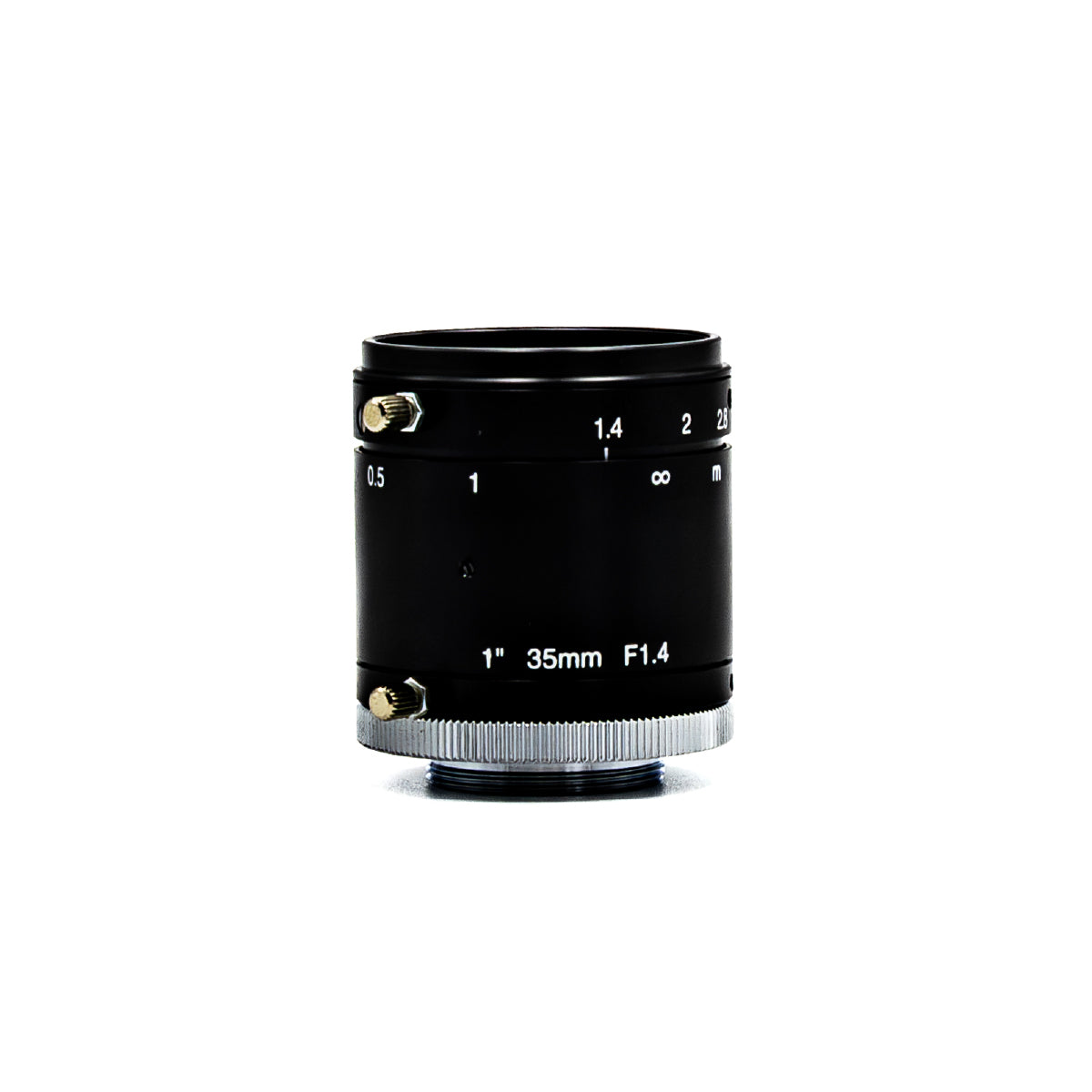
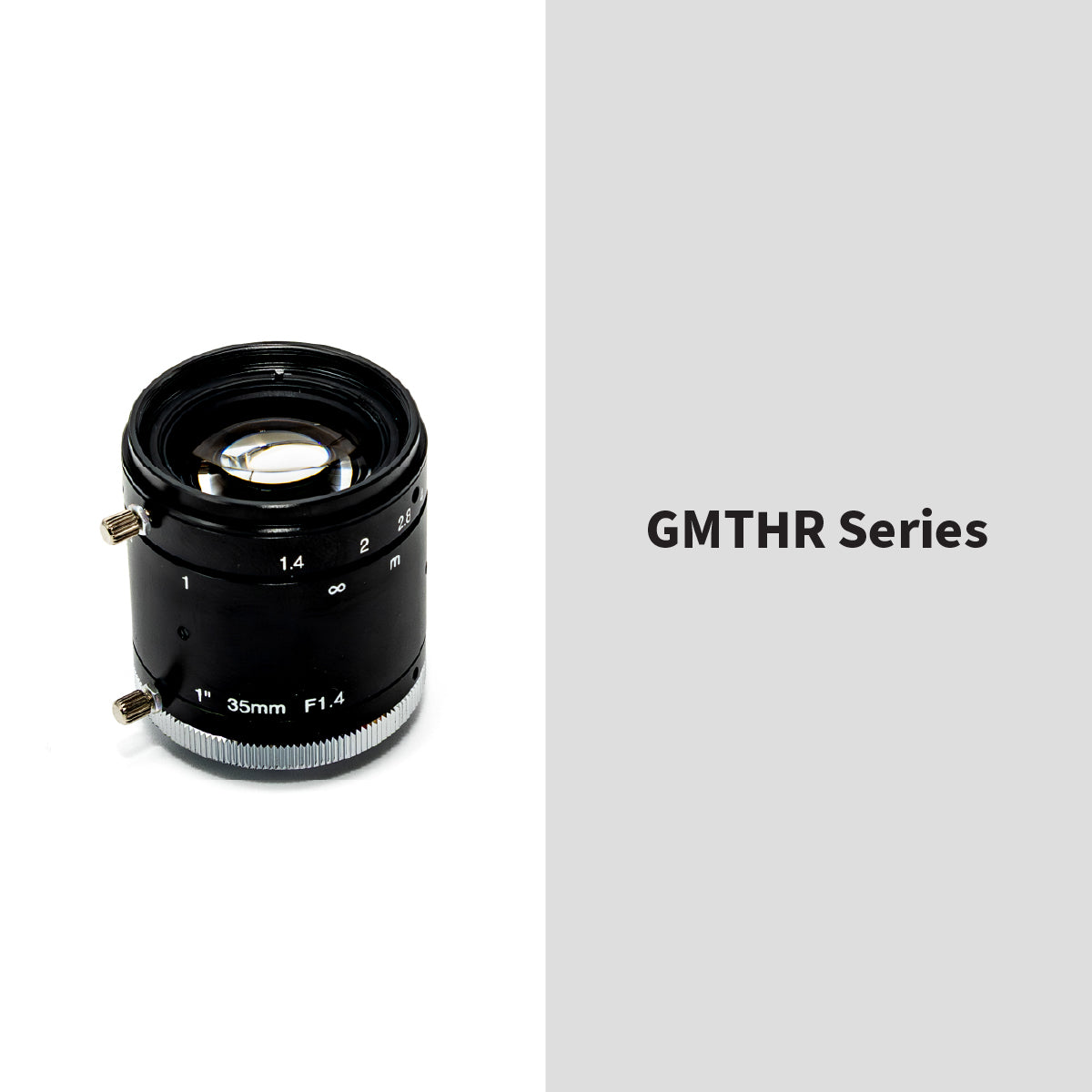
When designing a machine vision system, choosing the right lens is just as critical as selecting the right camera.
Machine vision cameras are the backbone of any inspection, measurement or automation system. But as sensor technology, interfaces and processing demands evolve, older cameras can quietly become a bottleneck, limiting performance, accuracy and scalability. If your system is struggling to keep up, it may be time for an upgrade.
Quality standards continue to rise in manufacturing environments while defect tolerance grows increasingly narrow. Traditional machine vision systems, typically relying on standard color or monochrome sensors, can struggle to catch flaws that are invisible to the human eye or obscured by lighting, surface finishes or material properties. Because of this, multispectral imaging has become a powerful tool for advanced inspection.
In today’s connected cities, intelligent traffic systems (ITS) and automatic number plate recognition (ANPR) are essential tools for improving safety, enforcing regulations and streamlining traffic flow. At the heart of these systems are machine vision cameras –designed to capture clear, precise images in complex, fast-changing environments.
In modern food and beverage manufacturing, getting it right means more than taste and packaging – it’s about consistency, safety and visual perfection. Machine vision cameras, when properly implemented, help ensure we catch defects, meet hygiene standards and keep up with consumer expectations. Below are ways high-quality imaging systems upgrade quality control.
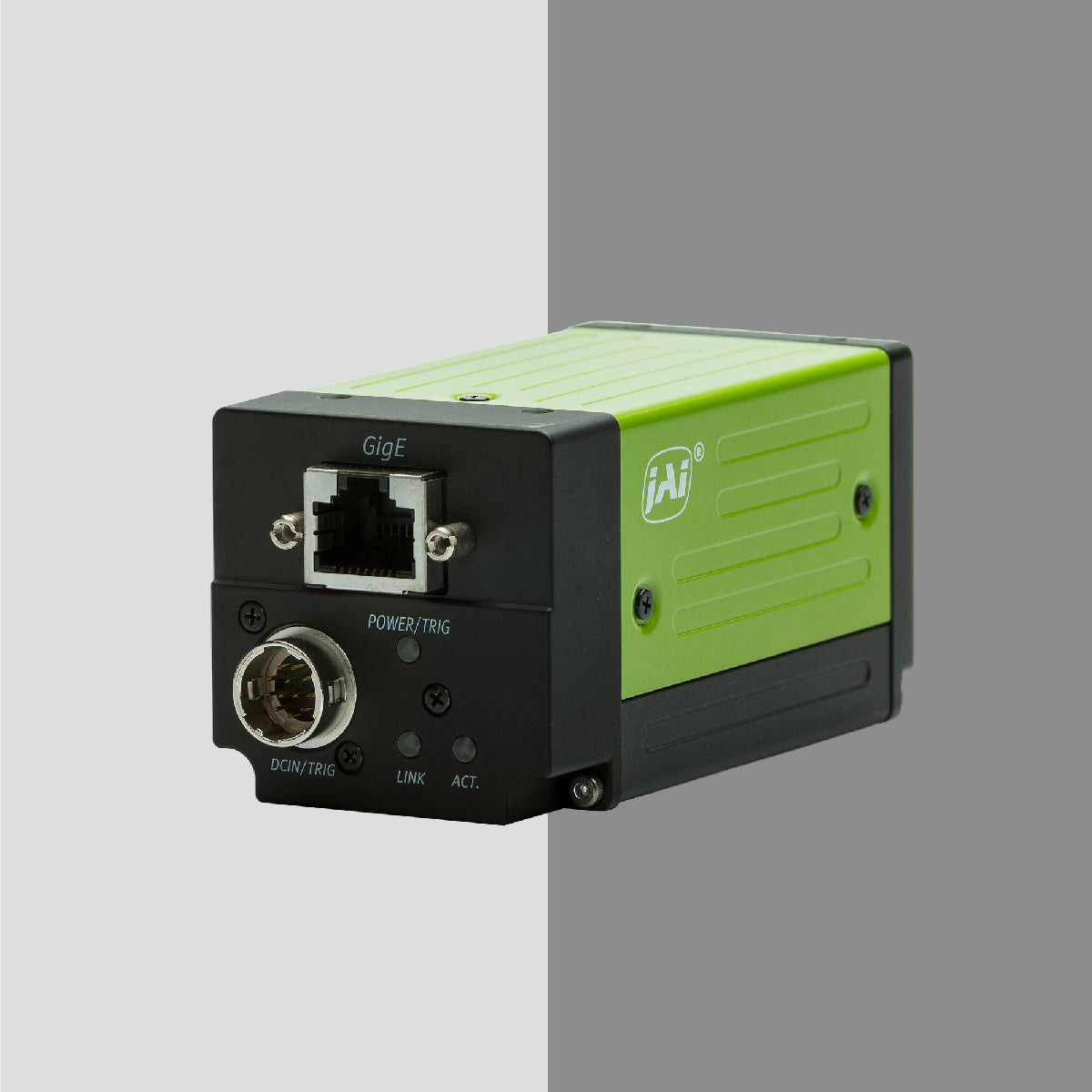
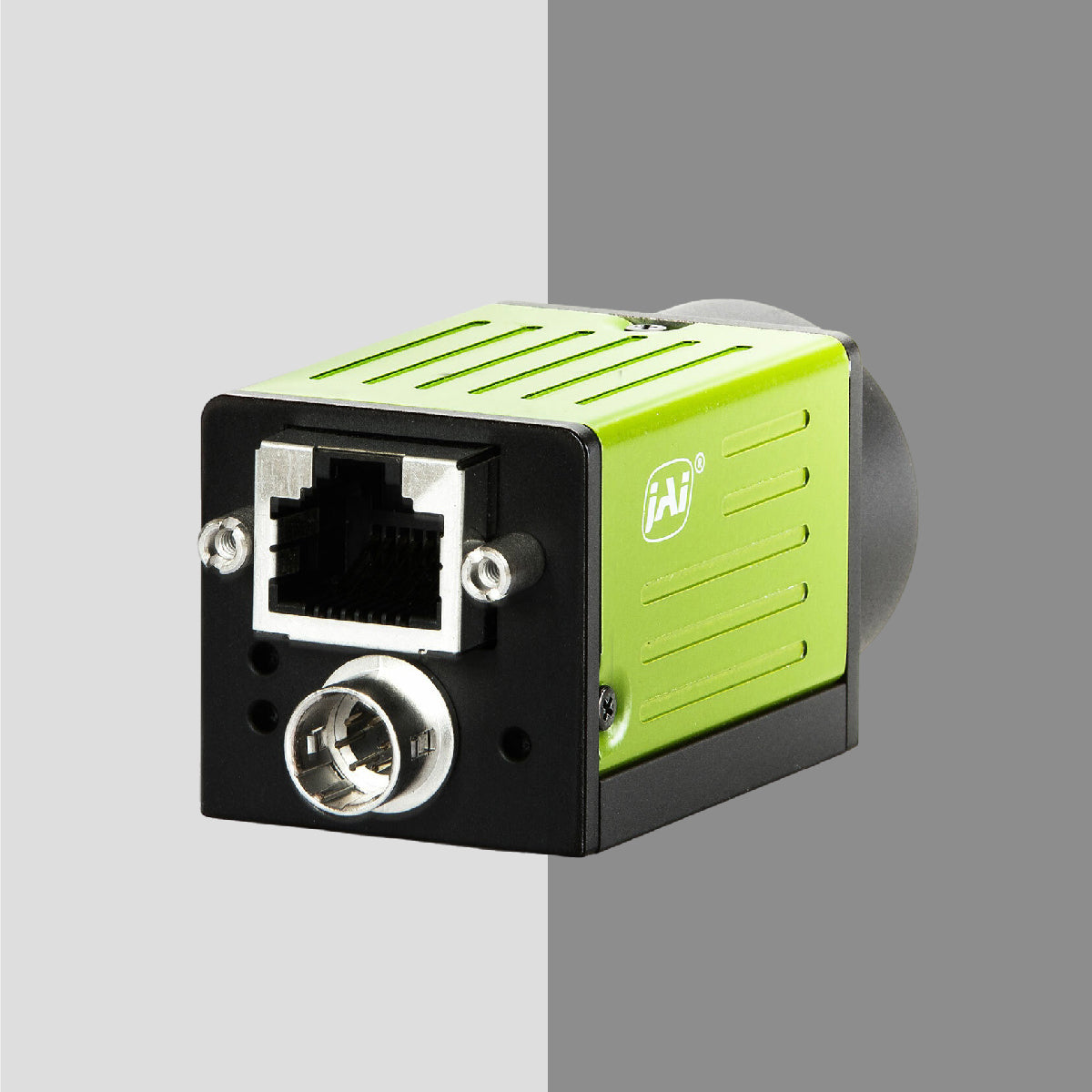
The choice of camera interface plays a crucial role in machine vision system performance. The most common three interfaces are GigE, USB3 Vision and CoaXPress.
In industrial imaging, choosing the right camera for a machine vision system can significantly impact performance and accuracy. One of the most fundamental decisions is whether to use a monochrome or color camera.
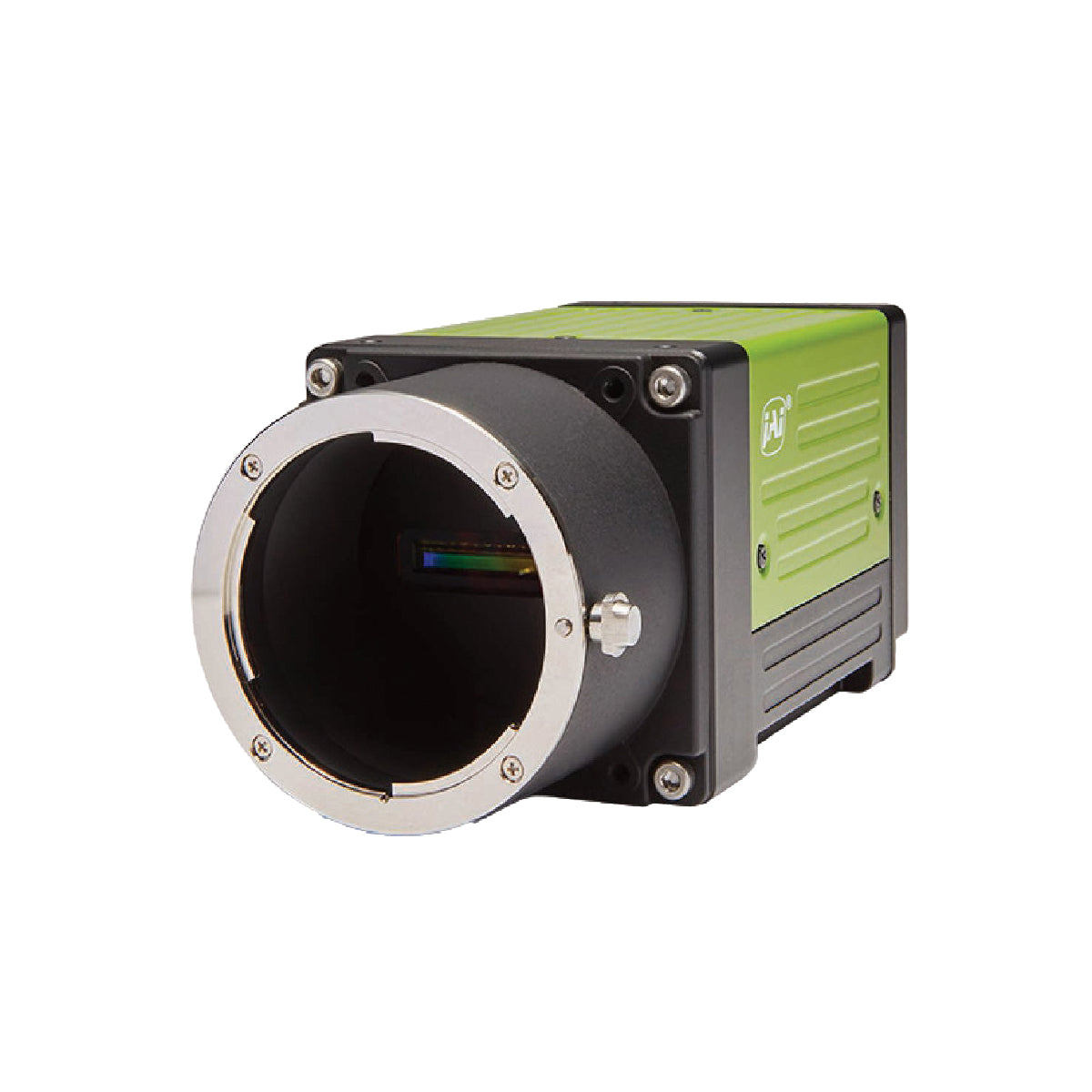
When it comes to precision inspection and high-speed applications, line scan cameras are a cornerstone of modern industrial imaging.
As technology advances, line scan cameras are increasingly being adopted across a broader range of mainstream applications, driven by innovations in sensor technology, interface options, and the demand for more compact and efficient systems.
Lighting
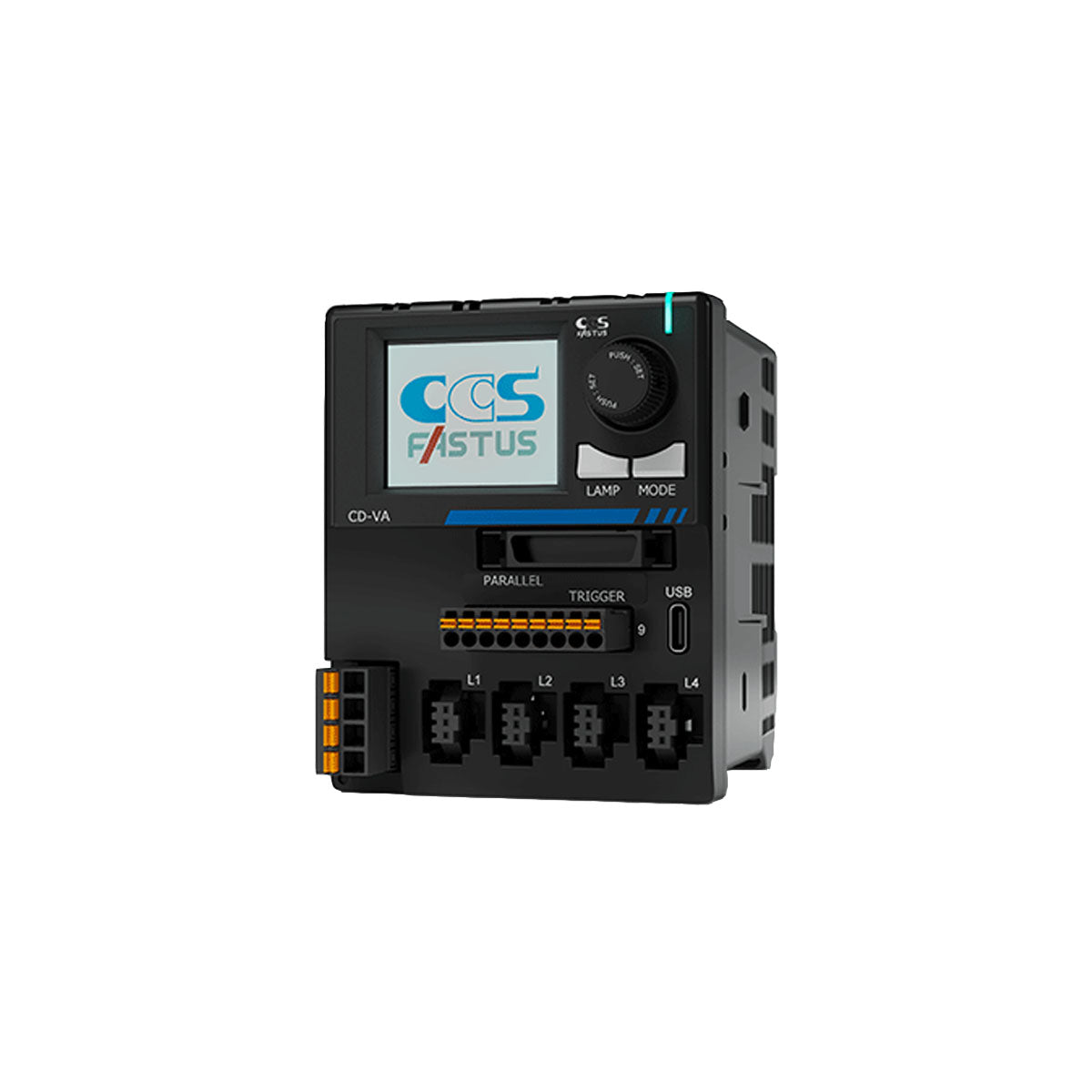
Lighting is one of the most influential factors in machine vision performance. The right illumination can dramatically improve contrast, reduce noise and stabilize inspection results, while the wrong setup can cause missed defects, blurry images or inconsistent measurements.
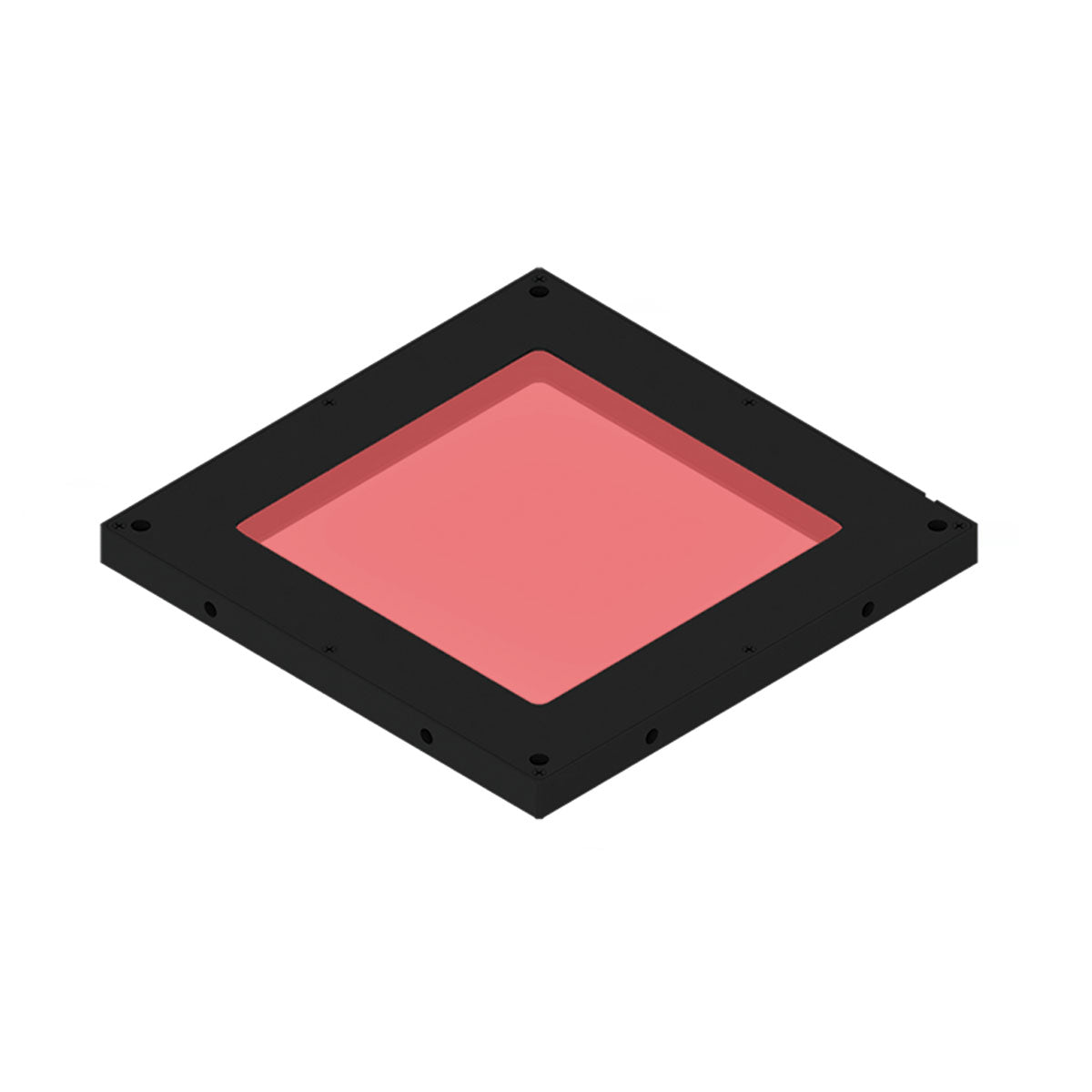
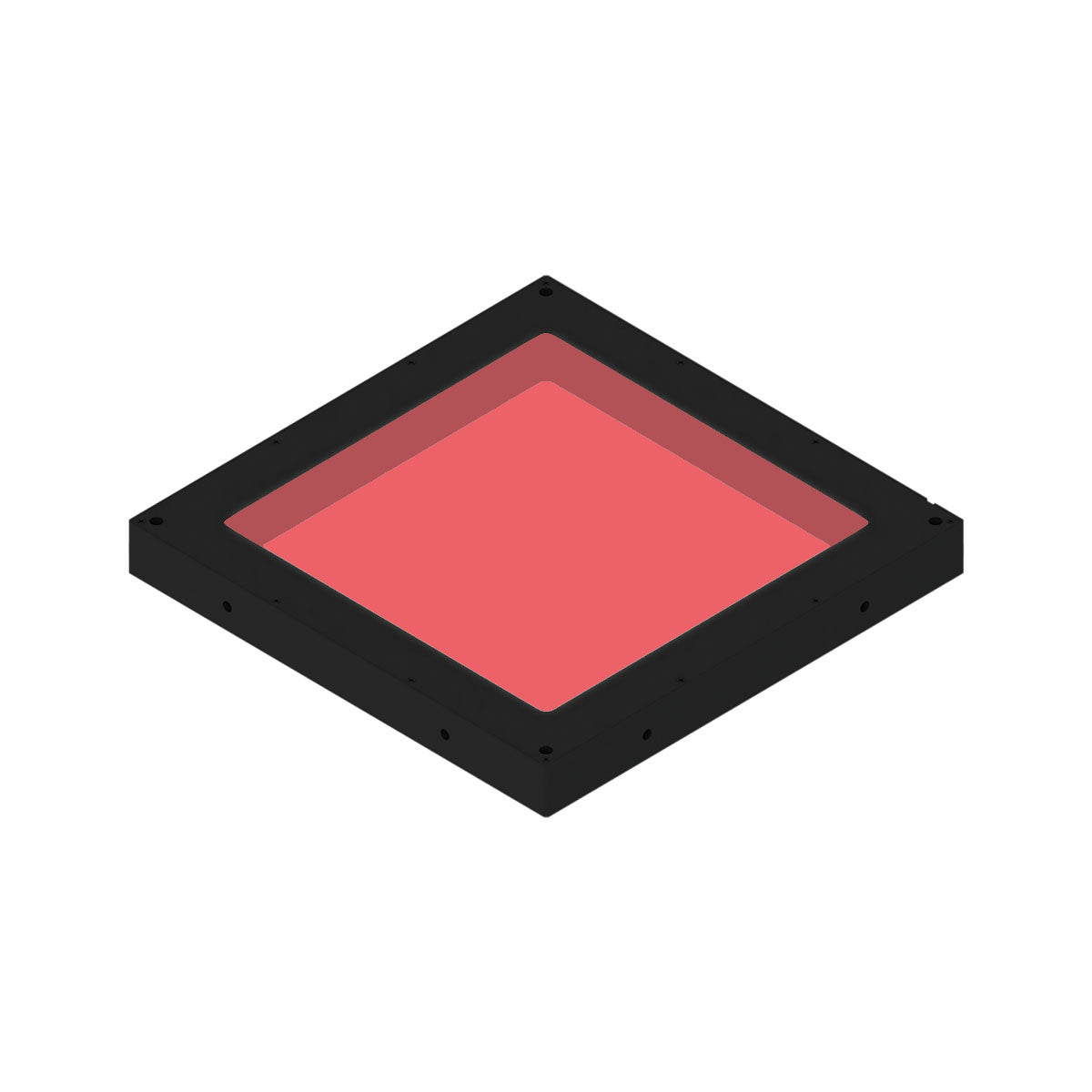
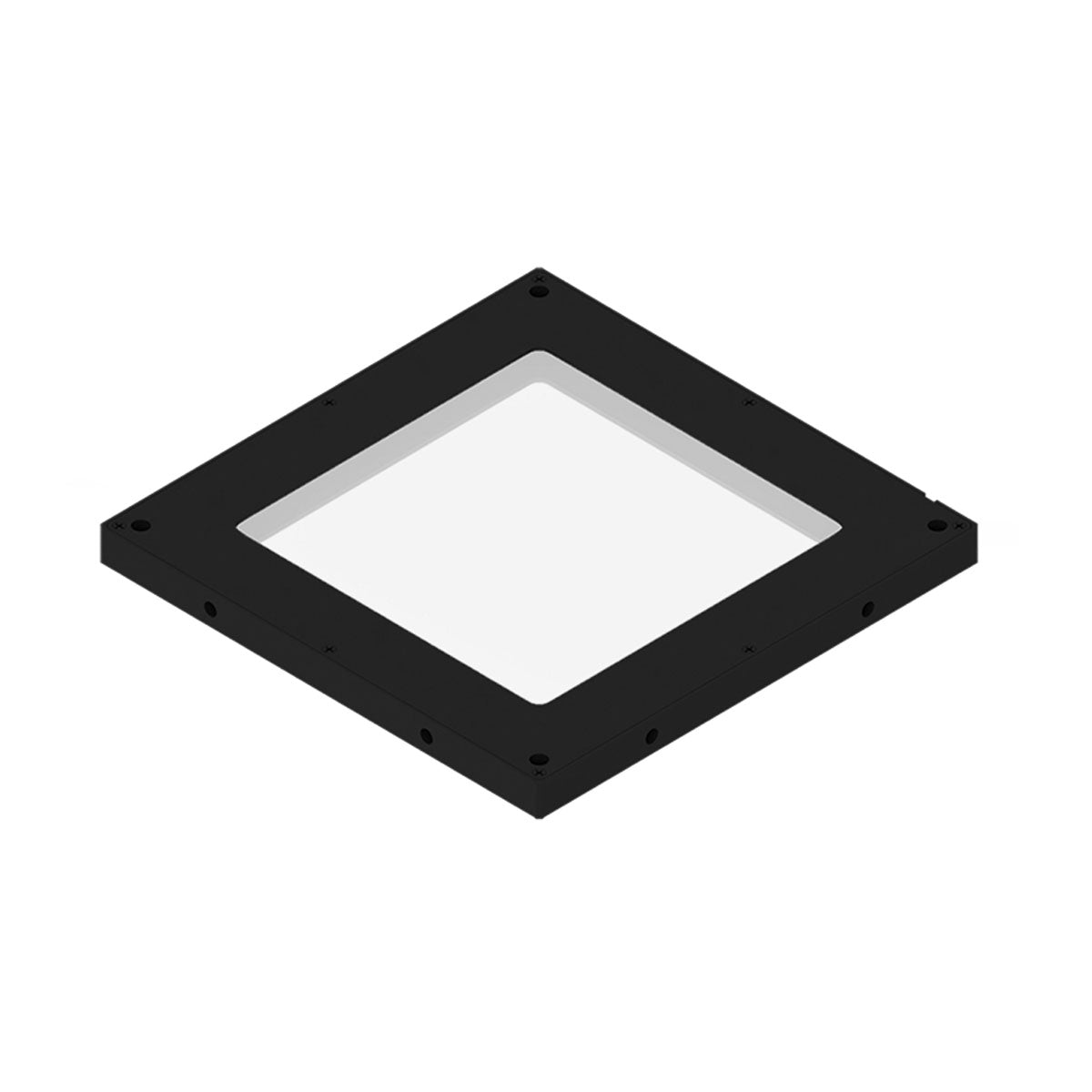
There are many lighting techniques in machine vision, but backlighting – placing an illumination source behind the object, opposite the camera – is especially effective for certain applications. While front-lighting or diffuse dome lighting might illuminate a surface, backlighting creates a clean silhouette by allowing light to pass through or around the subject. This technique is particularly useful for edge detection, shape verification and measurement tasks.
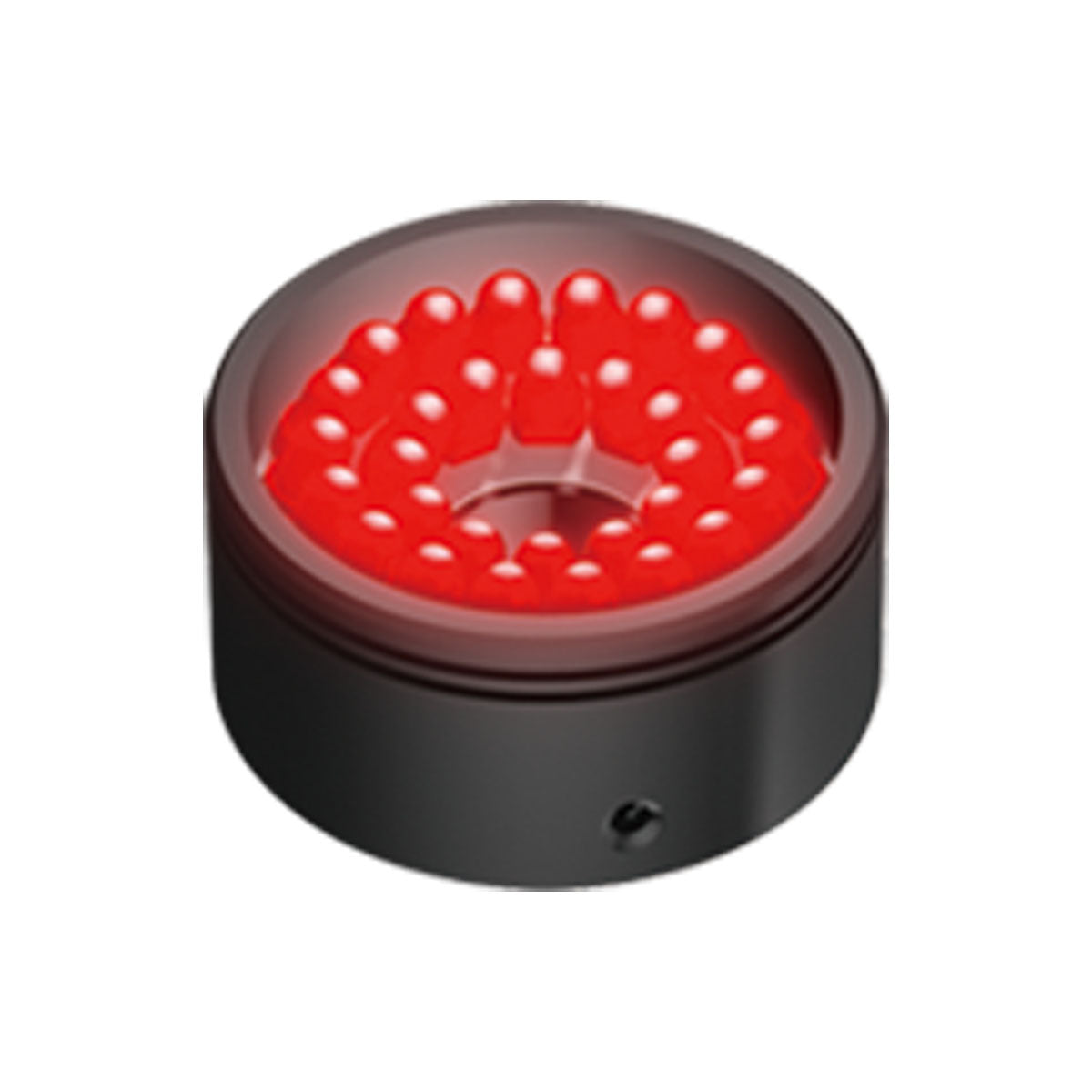
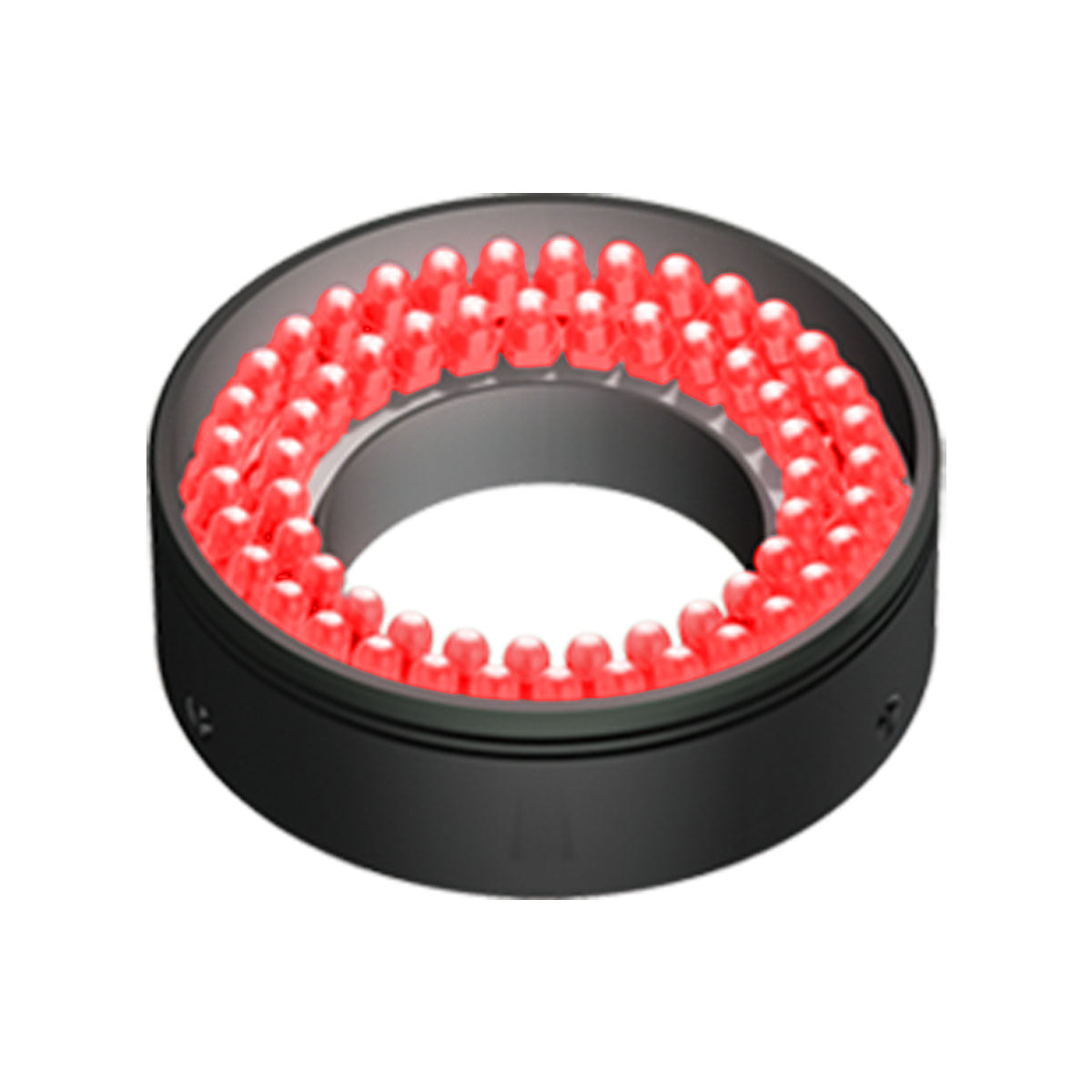
Machine vision has come a long way, and LED lighting has been a key driver. As inspection speeds increase, product surfaces become more challenging and lighting conditions more difficult, high-quality LED lighting solutions have evolved to meet these demands. Below is a look at how LED lighting for vision applications has developed, and what modern systems demand.
Lighting determines how surfaces, textures and edges appear to the imaging system – and ultimately how well the application performs. Three of the most common lighting approaches are diffuse, direct and structured.
In machine vision, lighting is important. The quality, angle and consistency of illumination directly impact the ability of your vision system to capture accurate, reliable images. Among the many lighting considerations, one crucial yet often overlooked factor is uniformity – achieving even, consistent illumination across the entire field of view.
When it comes to building a successful machine vision system, lighting is just as critical as the camera or lens. Without the right lighting, even the most advanced imaging components can produce inconsistent or unreadable results. Whether you're inspecting tiny electronics, scanning barcodes on packaging lines or ensuring quality control in manufacturing, the right lighting solution makes all the difference.
Achieving accurate, repeatable results depends on far more than just selecting the right camera or lens. One of the most overlooked components in many imaging systems is the optical filter. When properly selected, filters dramatically improve image quality, reduce variability and ensure consistent performance across changing environments.
In machine vision and industrial inspection, understanding the difference between infrared vs thermal imaging is essential for choosing the right technology. Although the two are often confused or used interchangeably, they rely on different wavelength regions, serve different purposes and are optimized for specific types of applications.
Machine vision is an essential technology for automation, quality control, robotics and industrial inspection. But with so many types of machine vision systems available today, it can be challenging to determine which configuration is right for your application.
Choosing the right lens for a machine vision system involves more than focal length, resolution and working distance. The lens mount, the mechanical interface between the camera and lens, is one of the most important factors in ensuring proper imaging performance. The mount not only affects compatibility, but also impacts back focal distance, sensor coverage, optical stability and the overall footprint of the system.
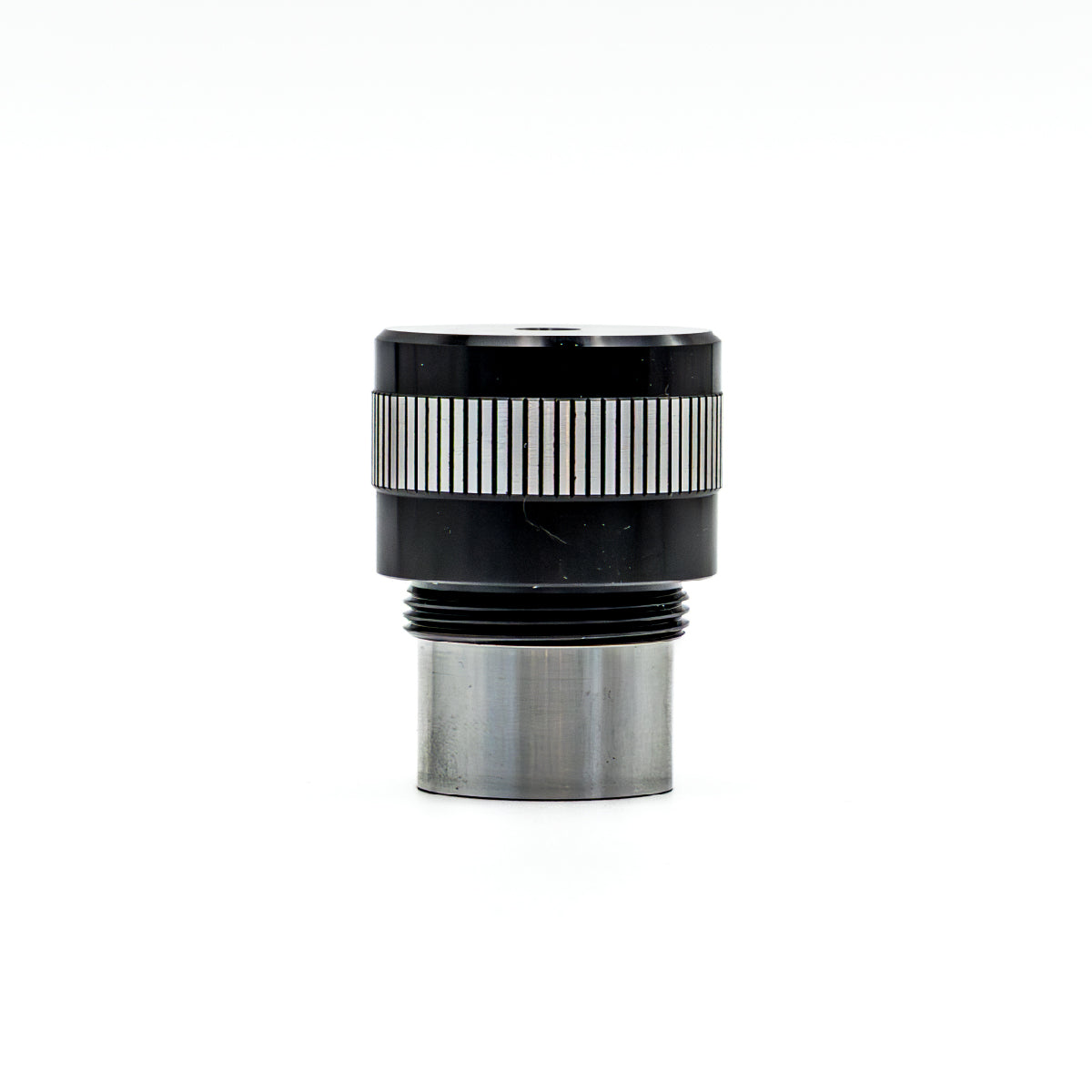
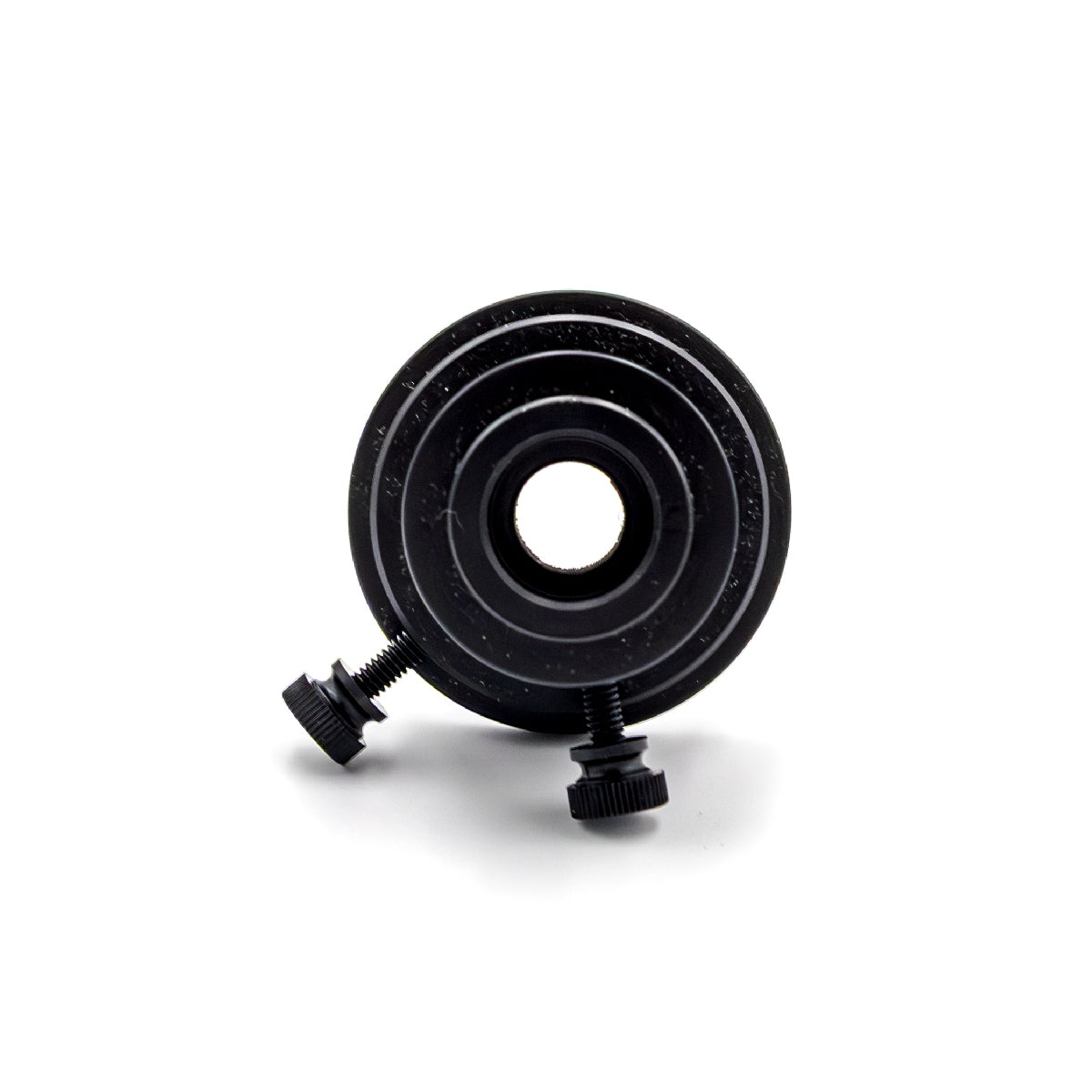
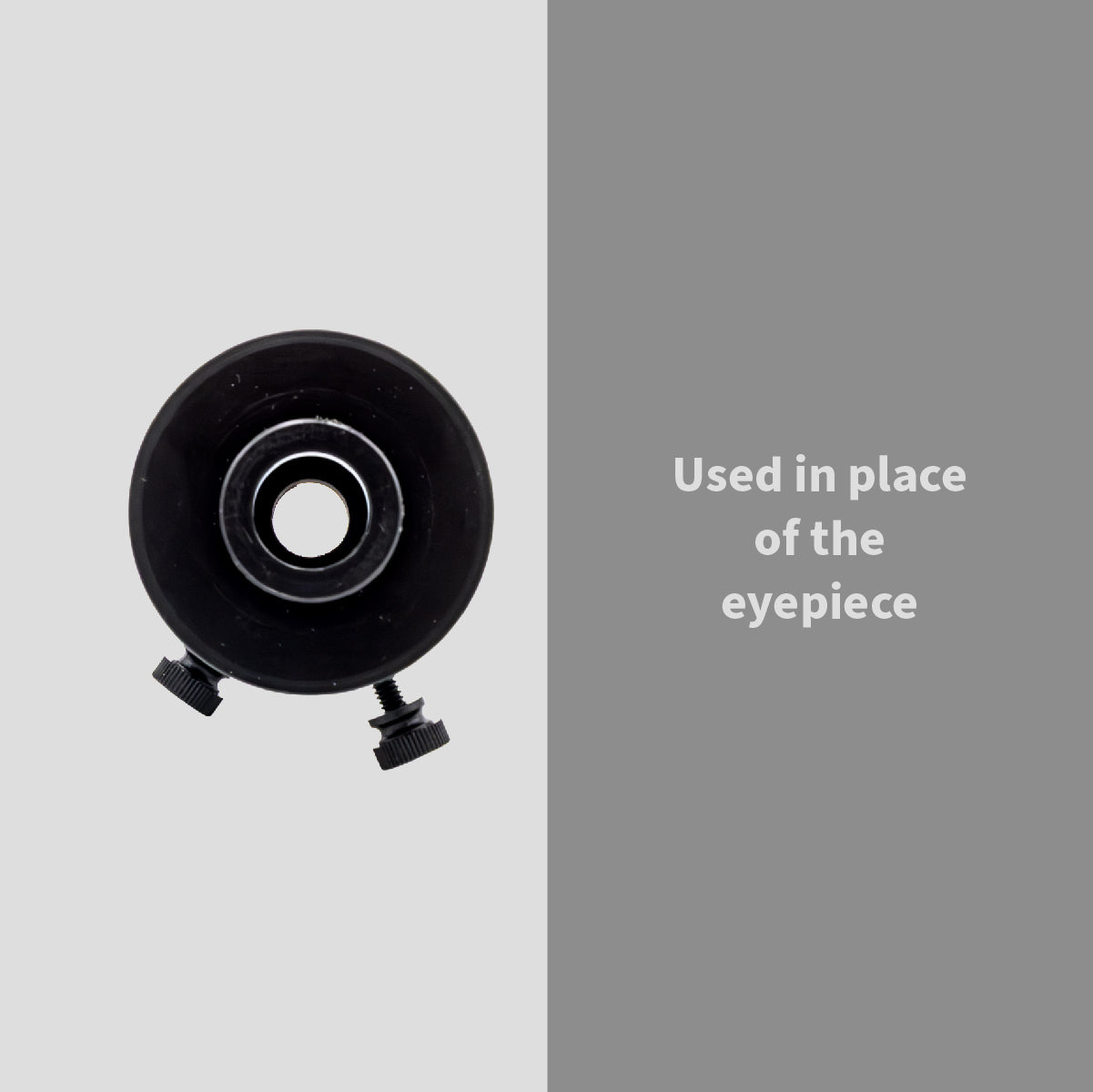
The Find-R-Scope® is a precision optical instrument designed to detect and visualize infrared (IR) and near-infrared (NIR) light that is invisible to the human eye. Used across industrial, laboratory, defense and research environments, these scopes provide a fast, reliable way to align optics, inspect infrared sources and verify system performance without complex imaging setups.
As a professional Find-R-Scope® supplier, FJW Optical Systems offers a complete range of Find-R-Scope® products built for accuracy, durability and real-world usability. Whether you need a precision Find-R optical scope for laboratory alignment or industrial Find-R scopes for sale that can withstand demanding environments, Find-R-Scope® tools deliver proven performance.
A Find-R-Scope® is a handheld optical viewer that converts infrared (IR) and near-infrared (NIR) radiation into a visible image. It allows users to see IR emissions, reflections and beam paths in real time – without requiring cameras, software or external displays.
Unlike traditional imaging systems, a Find-R-Scope® offers:
This makes it an essential tool for optical alignment, inspection, troubleshooting and verification tasks.
One of the most common uses for a Find-R-Scope® is optical alignment. Infrared lasers, LEDs and illumination sources are widely used in modern optics and machine vision systems, but they cannot be seen by the naked eye.
An optical alignment Find-R-Scope® allows users to:
Because alignment accuracy directly affects system performance, many engineers rely on high-accuracy Find-R-Scopes® during installation, calibration and maintenance.
In optical testing and metrology environments, the Find-R-Scope® is often used as a Find-R target scope for optics. They help confirm:
This capability is especially valuable in systems involving lenses, mirrors, filters and beam-shaping components designed for infrared wavelengths.
The Find-R-Scope® is used across a wide range of industries, including:
Engineers and technicians can conveniently buy Find-R-Scope® online to streamline procurement and ensure quick access to trusted tools. Purchasing through FJW Optical Systems provides:
For customers searching for an industrial Find-R-Scope® for sale, online purchasing ensures fast availability without sacrificing technical confidence.
The Find-R-Scope® is engineered to deliver reliable, repeatable performance. Key specifications commonly evaluated include:
The Find-R-Scope® typically operates across:
This allows compatibility with a wide variety of IR LEDs, lasers and optical systems.
A high-accuracy Find-R-Scope® provides:
This accuracy is critical for alignment, inspection and troubleshooting.
Find-R-Scopes® are designed for:
This allows users to inspect systems without exaggerated scale or distortion.
The Find-R-Scope® is built for professional use in demanding environments. Features typically include:
This build quality ensures consistent performance in factories, labs and field applications.
The Find-R-Scope® is compatible with a wide range of systems and accessories, including:
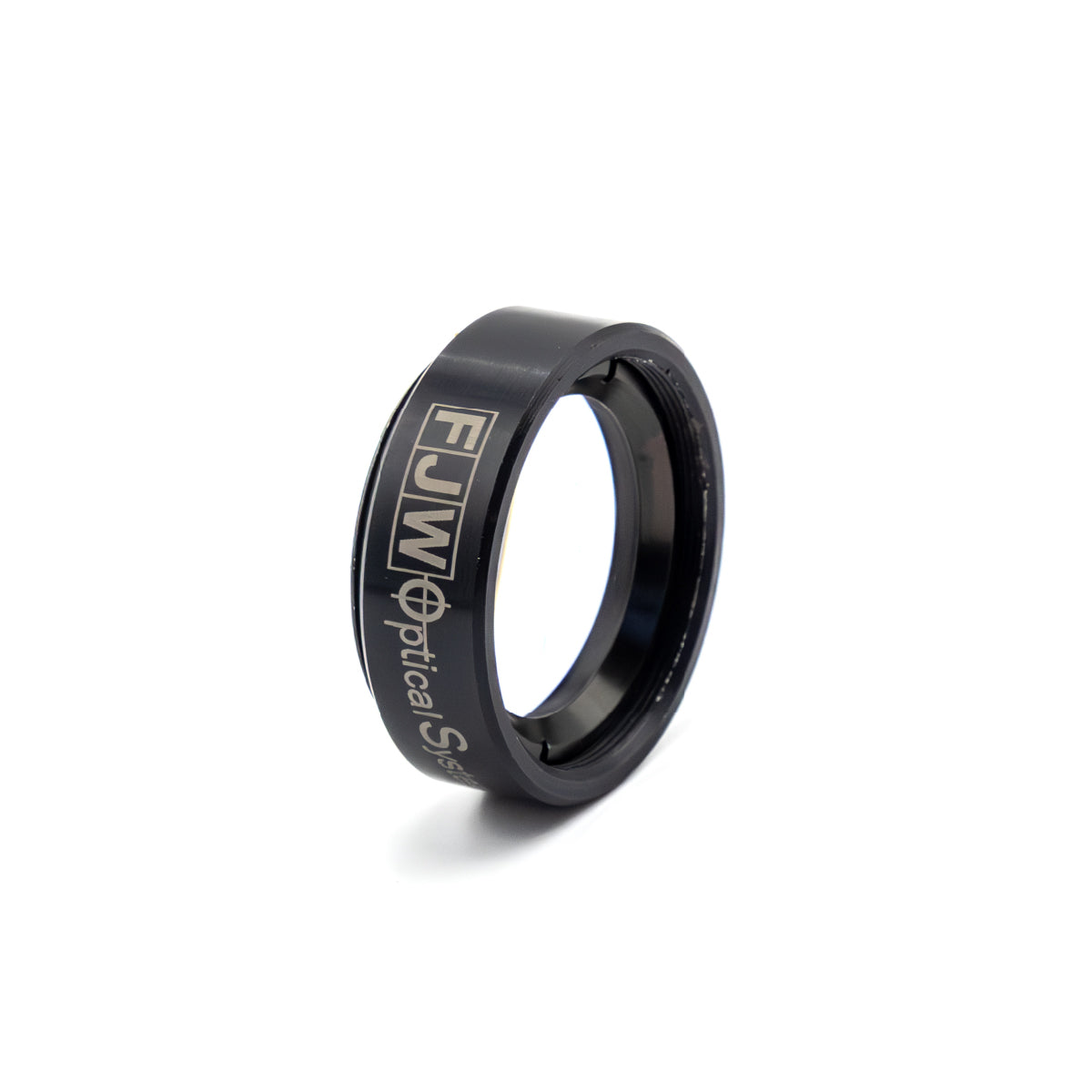
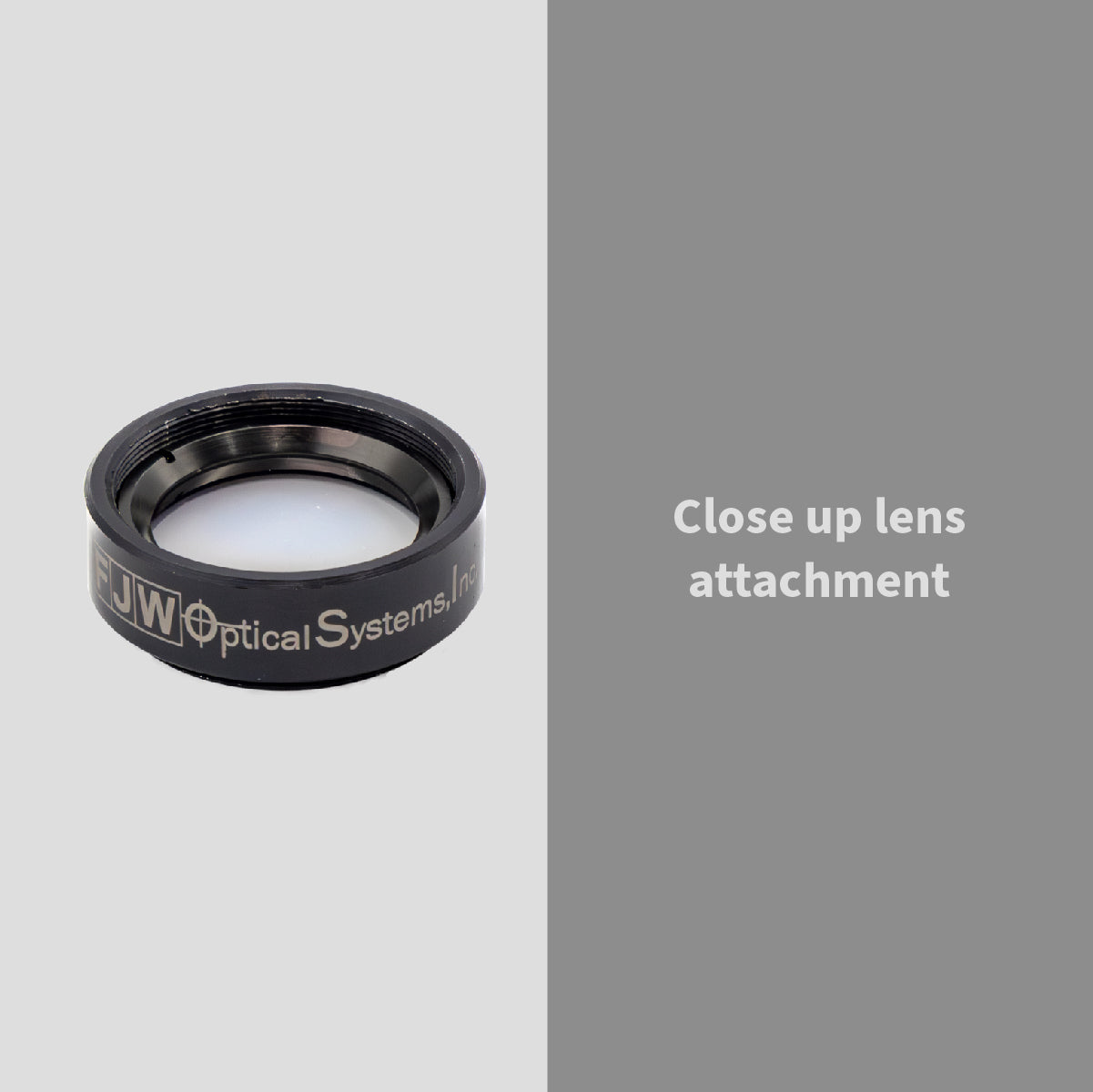
Accessories allow users to tailor the scope for specific working distances, intensity levels and inspection tasks.
While infrared cameras are valuable for documentation and automated imaging, the Find-R-Scope® offers unique advantages:
For alignment and inspection tasks, many professionals prefer Find-R-Scopes® for their speed and simplicity.
As a professional Find-R-Scope® supplier, FJW Optical Systems provides:
This makes FJW Optical Systems a trusted source for precision optical inspection tools.
When selecting a Find-R-Scope® for professional use, understanding the technical specifications helps ensure the tool meets both current and future application requirements. Engineers and technicians often evaluate the Find-R-Scope® based on sensitivity range, optical resolution, durability and ease of integration into existing workflows.
A high-accuracy Find-R-Scope® is engineered to provide consistent performance across a wide range of infrared wavelengths. This ensures compatibility with common IR light sources such as LEDs, diode lasers, fiber-optic transmitters and illumination systems used in machine vision and optical testing environments.
Precision optics and carefully aligned internal components allow the Find-R-Scope® to maintain image clarity and stability over long periods of use, reducing the need for recalibration and minimizing inspection errors.
In optical alignment and inspection, accuracy is essential. A precision Find-R optical scope provides immediate visual confirmation that systems are aligned correctly and performing as intended. This reduces uncertainty during setup, troubleshooting and maintenance tasks.
Repeatability is equally important. Professionals rely on Find-R-Scopes® to deliver consistent results across multiple inspections, shifts and environments. Stable internal alignment and robust optical construction ensure that results remain dependable, even in industrial settings where vibration and environmental changes are common.
This level of consistency is one of the reasons Find-R-Scopes® are widely trusted in high-precision applications.
The Find-R-Scope® is designed to withstand the demands of daily professional use. Unlike consumer imaging devices, these scopes are built with rugged housings and durable optical assemblies that hold alignment over time. This industrial-grade build quality makes the Find-R-Scope® suitable for:
The result is a tool that performs reliably wherever infrared inspection or alignment is required.
The Find-R-Scope® integrates seamlessly into existing optical and machine vision workflows. Because they do not require external displays, software or computers, they can be used immediately alongside cameras, lenses, lighting systems and optical assemblies.
Technicians often use the Find-R-Scope® during:
This flexibility allows the Find-R-Scope® to complement automated systems while remaining useful as standalone diagnostic tools.
Beyond industrial use, the Find-R-Scope® is widely used in education and research. Its real-time visualization of infrared light makes it ideal for teaching concepts related to optics, photonics and infrared imaging. In academic and research settings, the Find-R-Scope® supports:
Its intuitive operation allows users of varying experience levels to quickly understand and explore infrared behavior.
When selecting a Find-R-Scope®, professionals typically consider:
Choosing the correct model ensures optimal performance, minimizes setup time and maximizes long-term value. As a professional Find-R-Scope® supplier, FJW Optical Systems provides expert guidance to help match the right scope to each application.
Different Find-R-Scope® models are designed to operate across specific wavelength ranges. Common coverage includes:
This makes Find-R-Scope® viewers suitable for applications involving IR LEDs, lasers, silicon materials and SWIR-sensitive components.
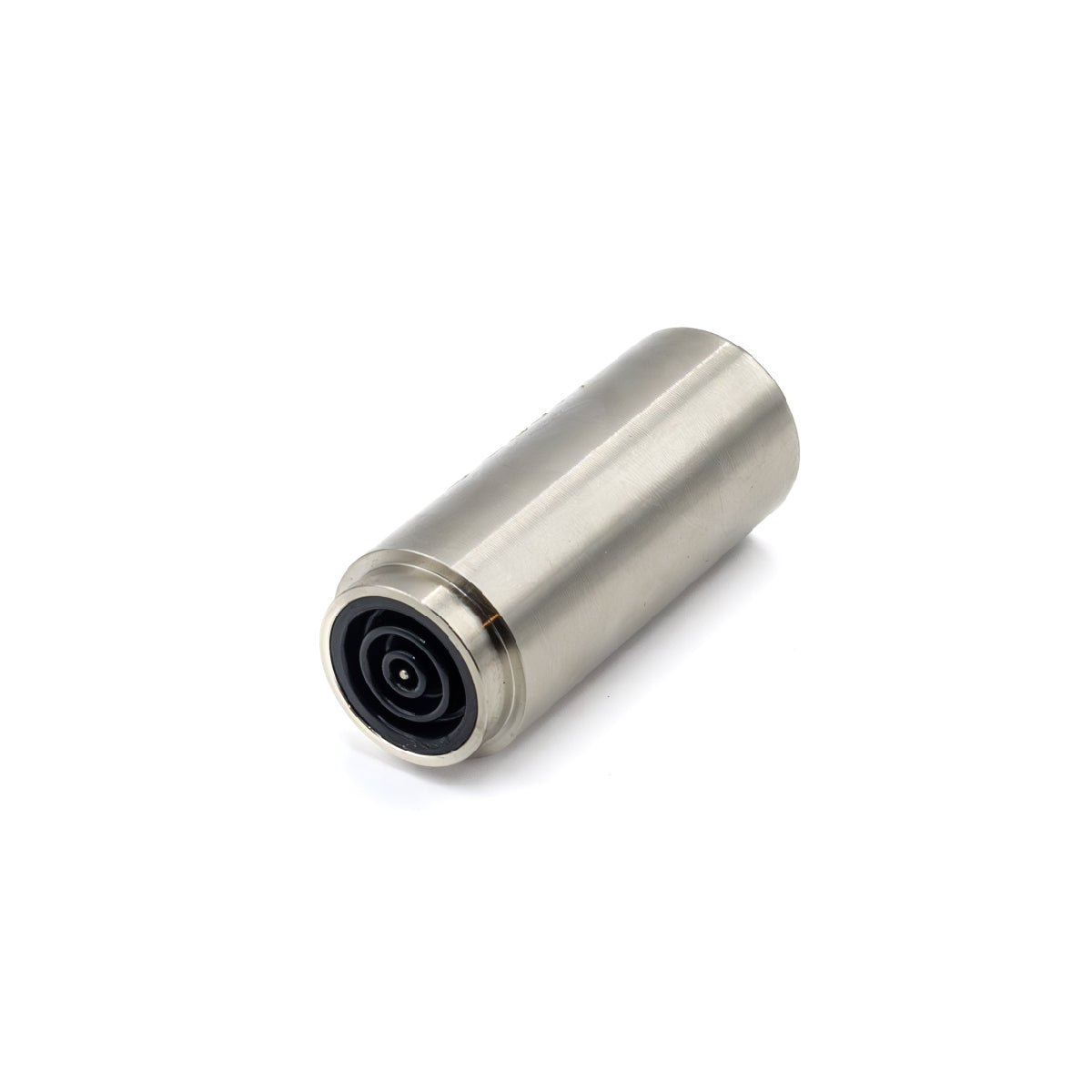
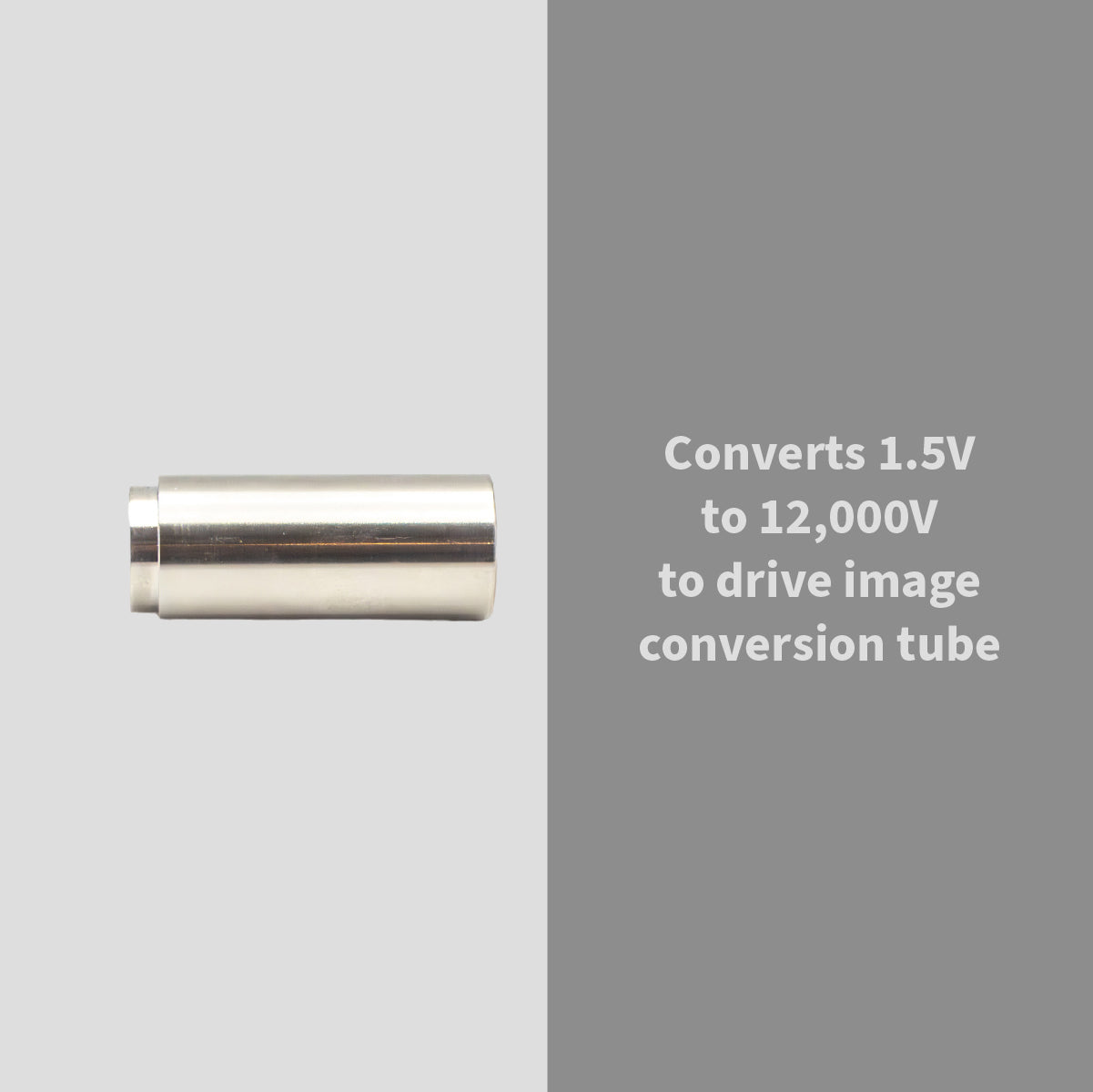
Find-R-Scope® viewers use a high-sensitivity image converter tube that responds to infrared wavelengths. When IR light enters the device, the tube converts it into a visible image that can be seen through the eyepiece or displayed on an integrated screen (depending on the model).This process allows users to quickly identify infrared sources, beam paths and hidden features that are otherwise invisible to the naked eye.
Standard models are optimized for near-infrared viewing and are ideal for:
Extended-range models offer sensitivity deeper into the SWIR region, making them better suited for:
Choosing the correct range ensures optimal sensitivity for your specific application.
Yes. Find-R-Scope® viewers are designed to be lightweight, portable and ergonomic. They are fully self-contained, allowing users to inspect systems and components without mounting,software or external power sources.This portability makes them ideal for fieldwork, lab benches and factory floors.
No. One of the key advantages of Find-R-Scope® viewers is their simplicity. They operate independently and do not require:
This makes them fast to deploy and easy to use, even in environments where computers are impractical.
Find-R-Scope® viewers are used in a wide range of applications, including:
Their versatility makes them valuable across many industries.
Yes. Infrared light interacts differently with materials than visible light. In many cases, Find-R-Scope® viewers can reveal features beneath the surface of materials such as:
This capability is useful for inspection, research and analysis tasks where visible imaging falls short.
Many models include an integrated infrared LED illuminator, which provides controlled IR light for close-range inspection. This is especially helpful when inspecting non-emissive objects or materials that reflect IR light.The built-in illuminator allows for consistent viewing without the need for external light sources.